78-card reference
Tarot card meanings: all 78 cards, upright and reversed
Explore all 78 Rider–Waite–Smith tarot card meanings, with separate upright and reversed readings. The 22 Major Arcana describe broad themes; the 56 Minor Arcana explore everyday situations through Wands, Cups, Swords and Pentacles. Open a card for its image, interpretation and practical applications. Readings from Marseille and Thoth are labeled separately where available.
Try a free three-card tarot reading or learn how to connect the three cards into one clear answer.
The 22 Major Arcana are the big, archetypal cards. The 56 Minor Arcana split into four suits — Wands (action), Cups (emotion), Swords (thought), Pentacles (money and the body) — each with an Ace through Ten and four court cards.
→ One-line cheat sheet for all 78 cards
No card found.
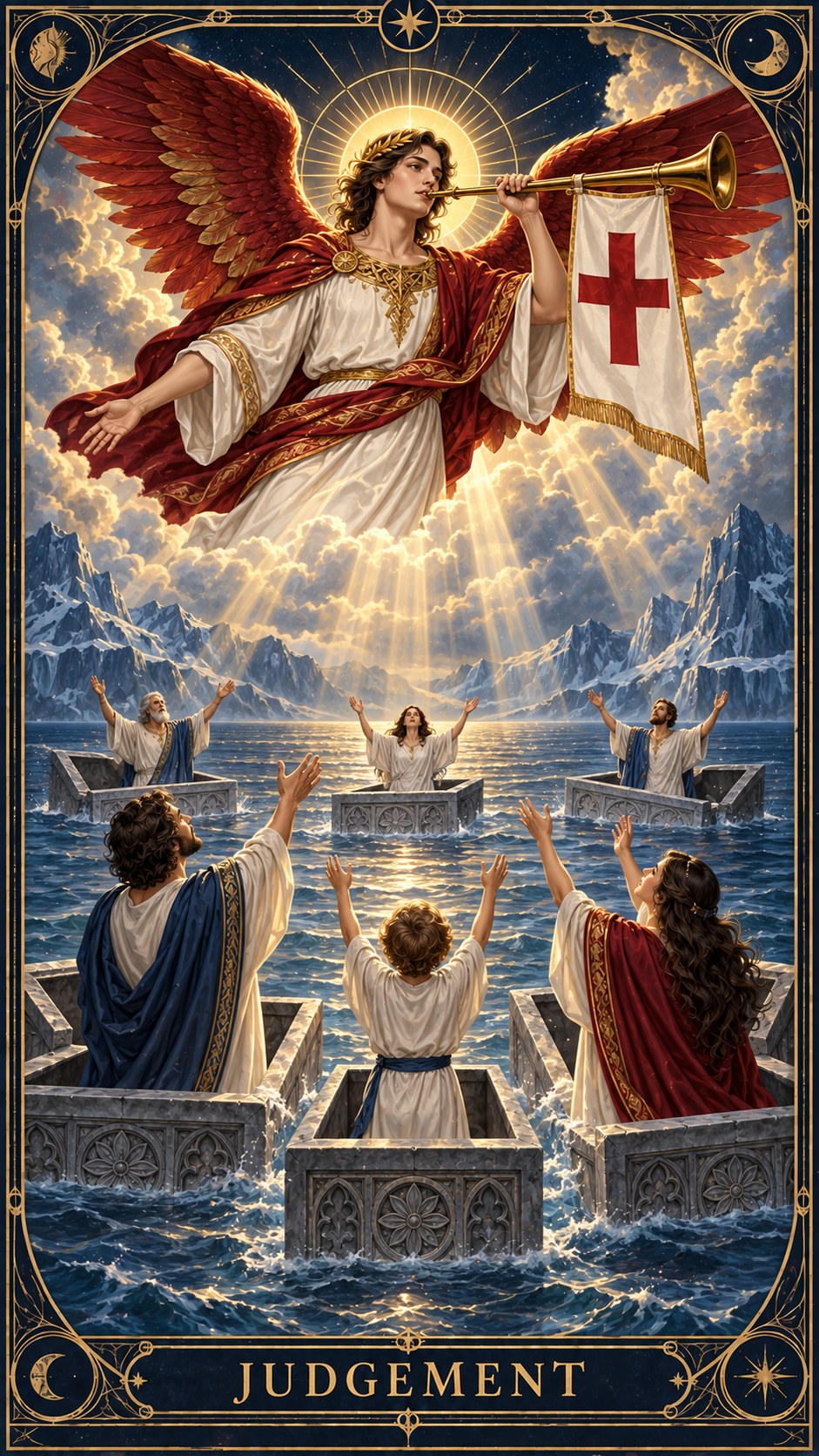
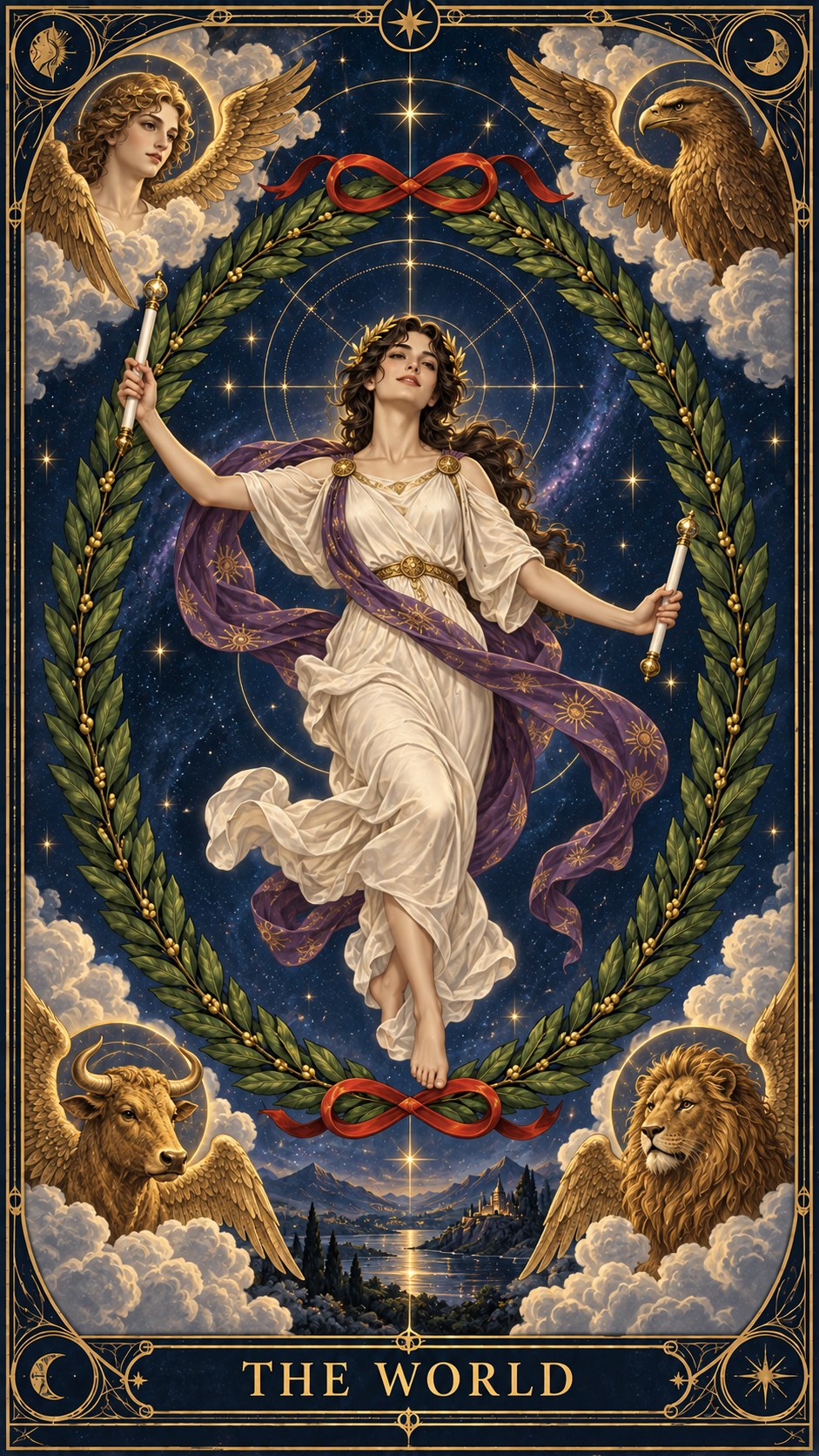
Major Arcana
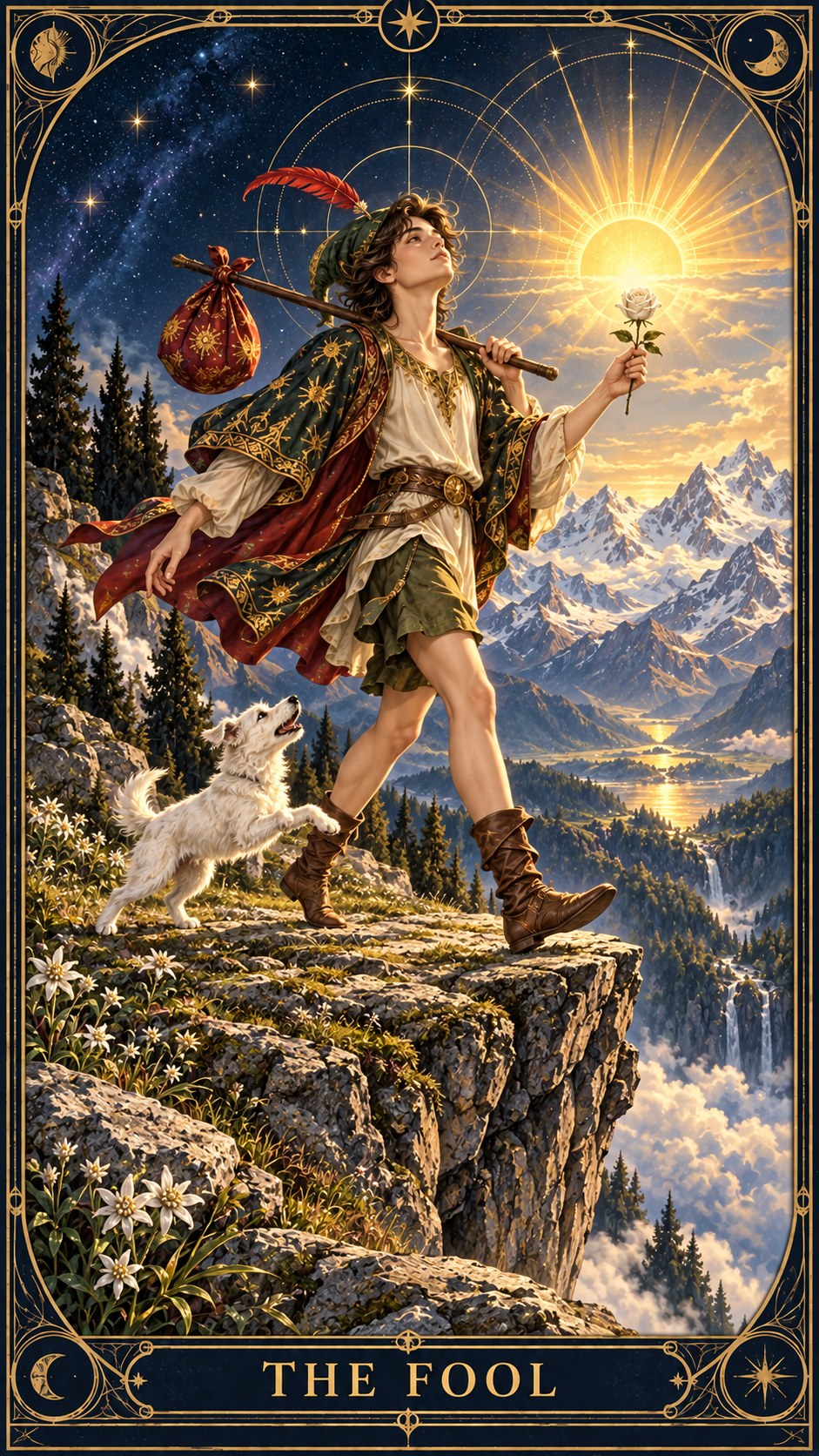
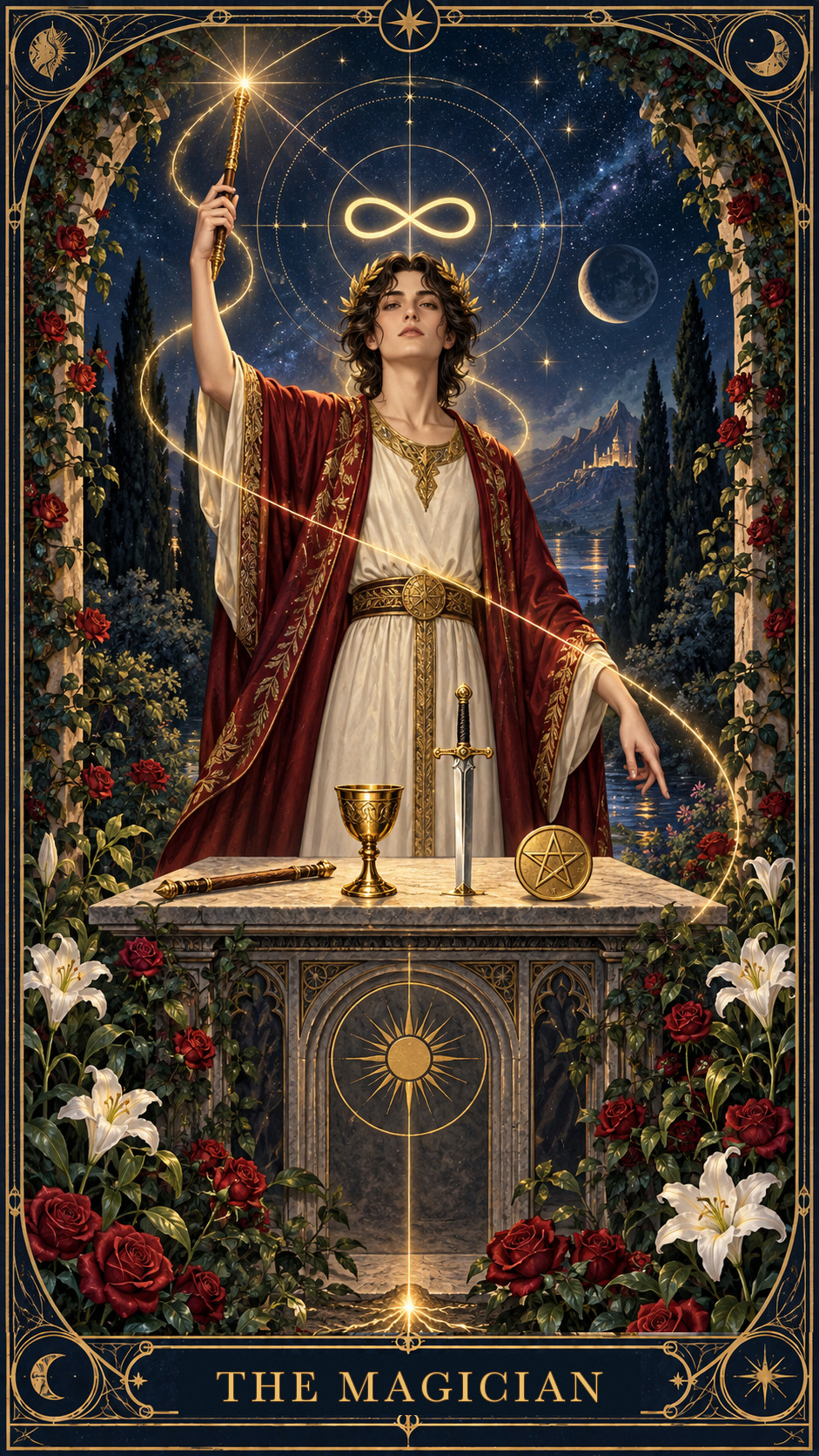
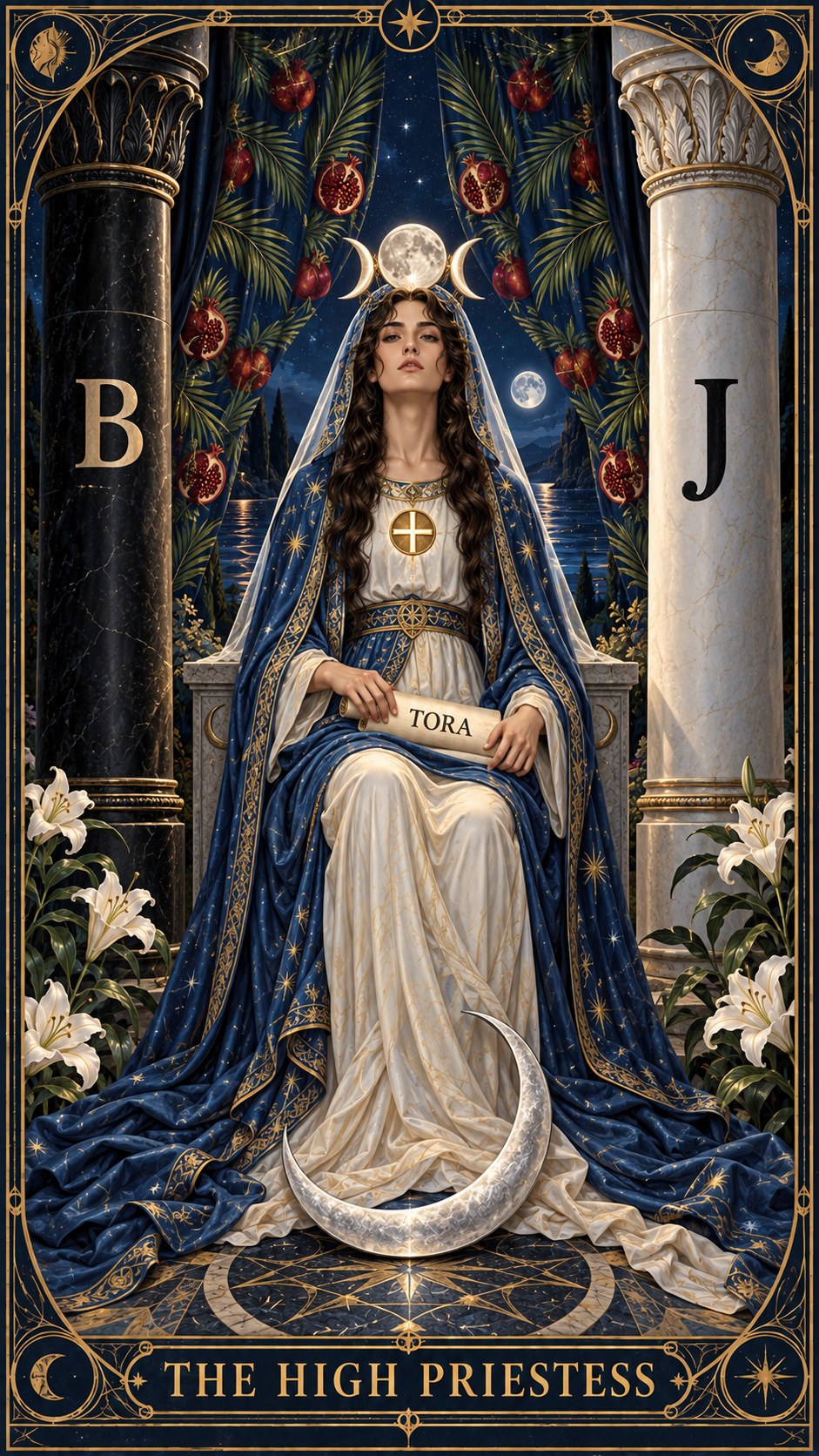
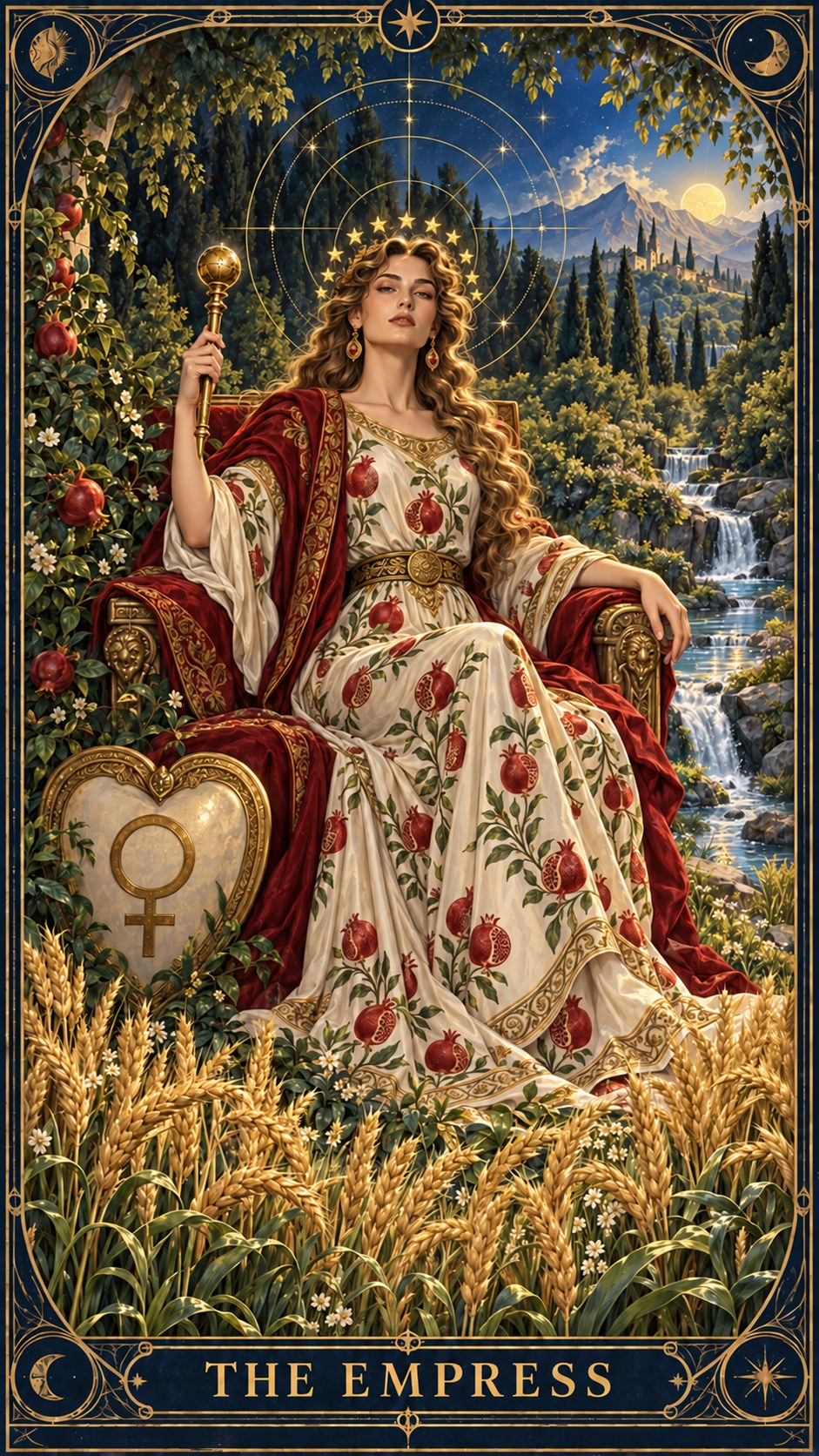
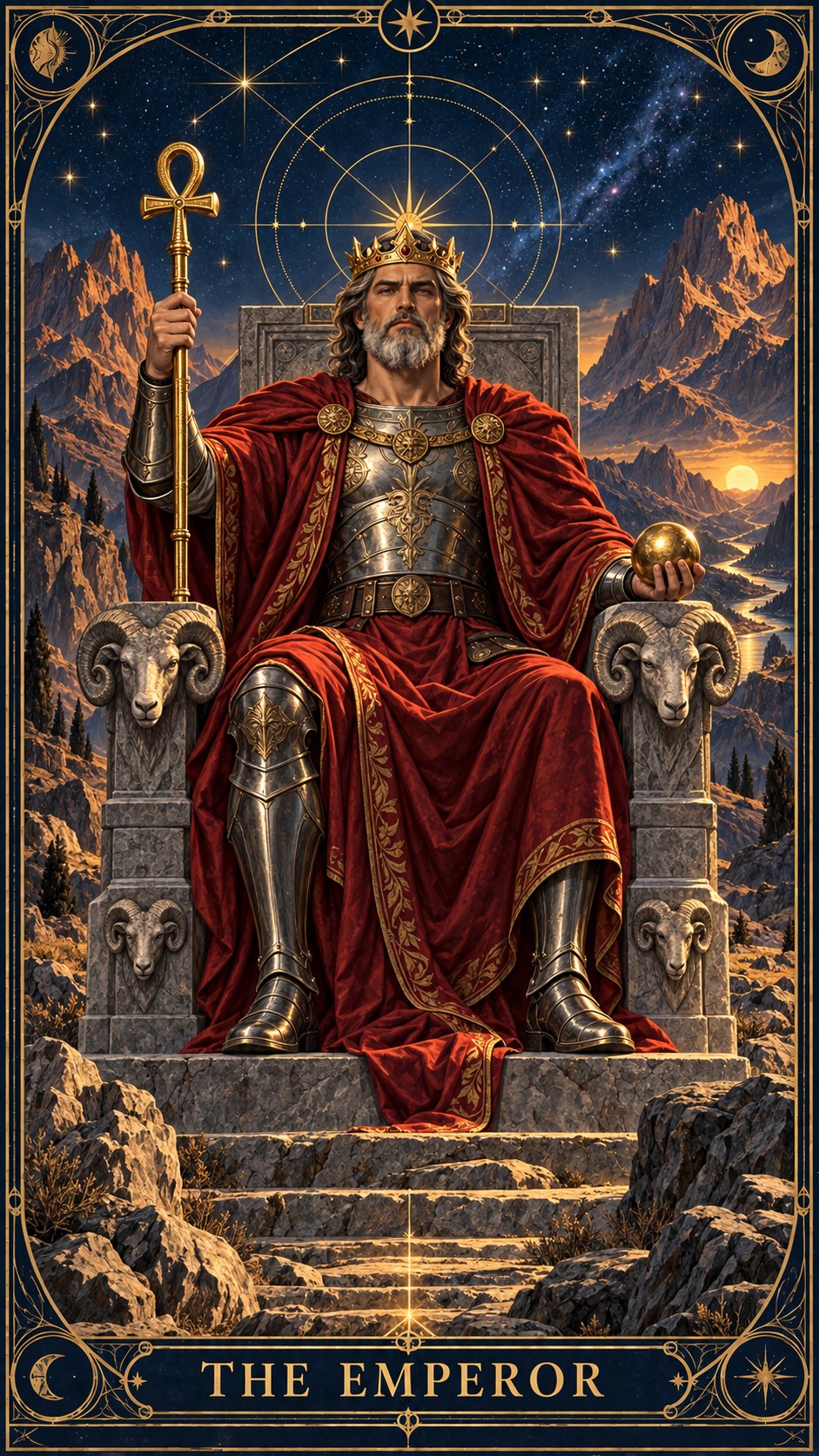
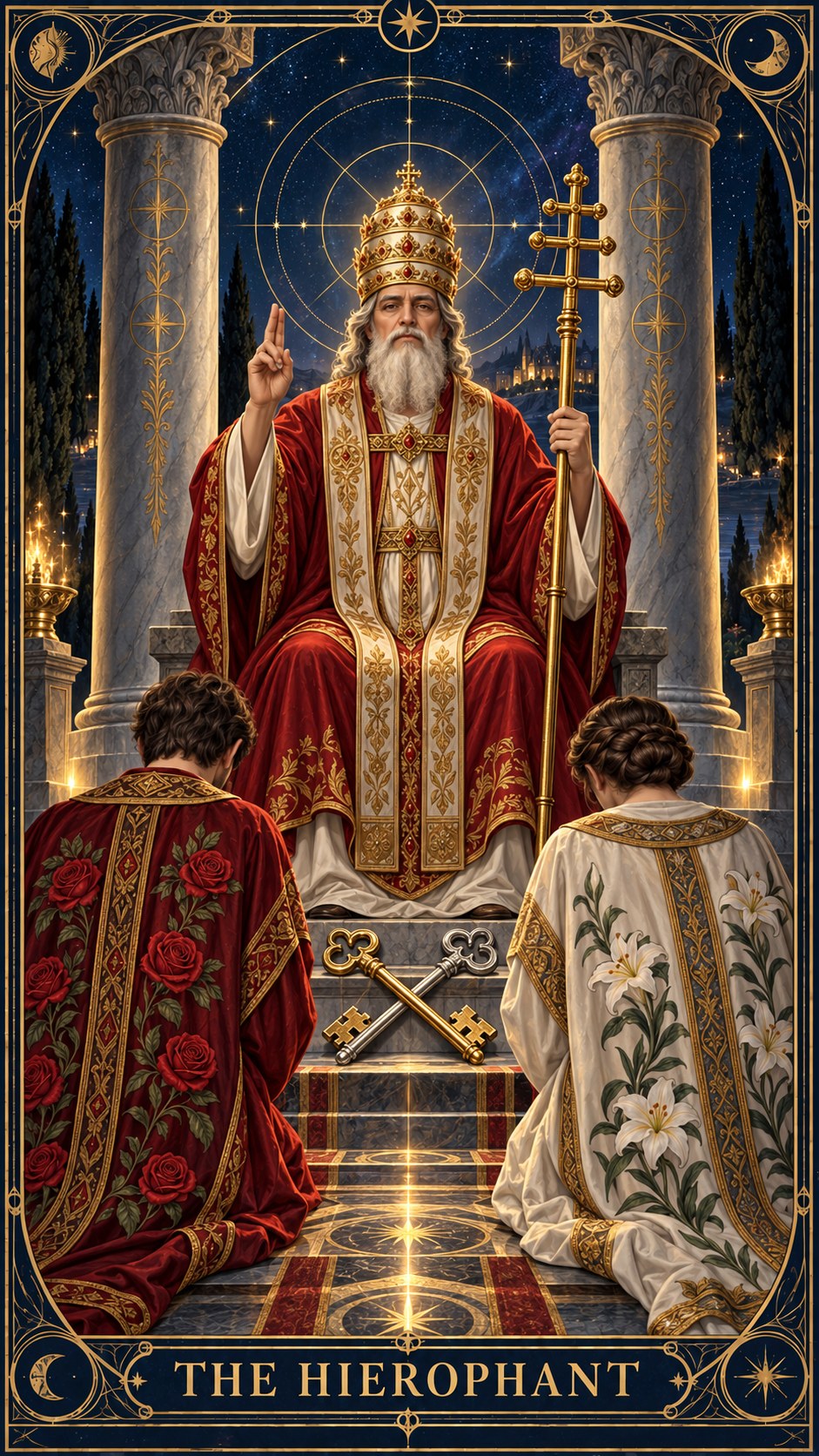
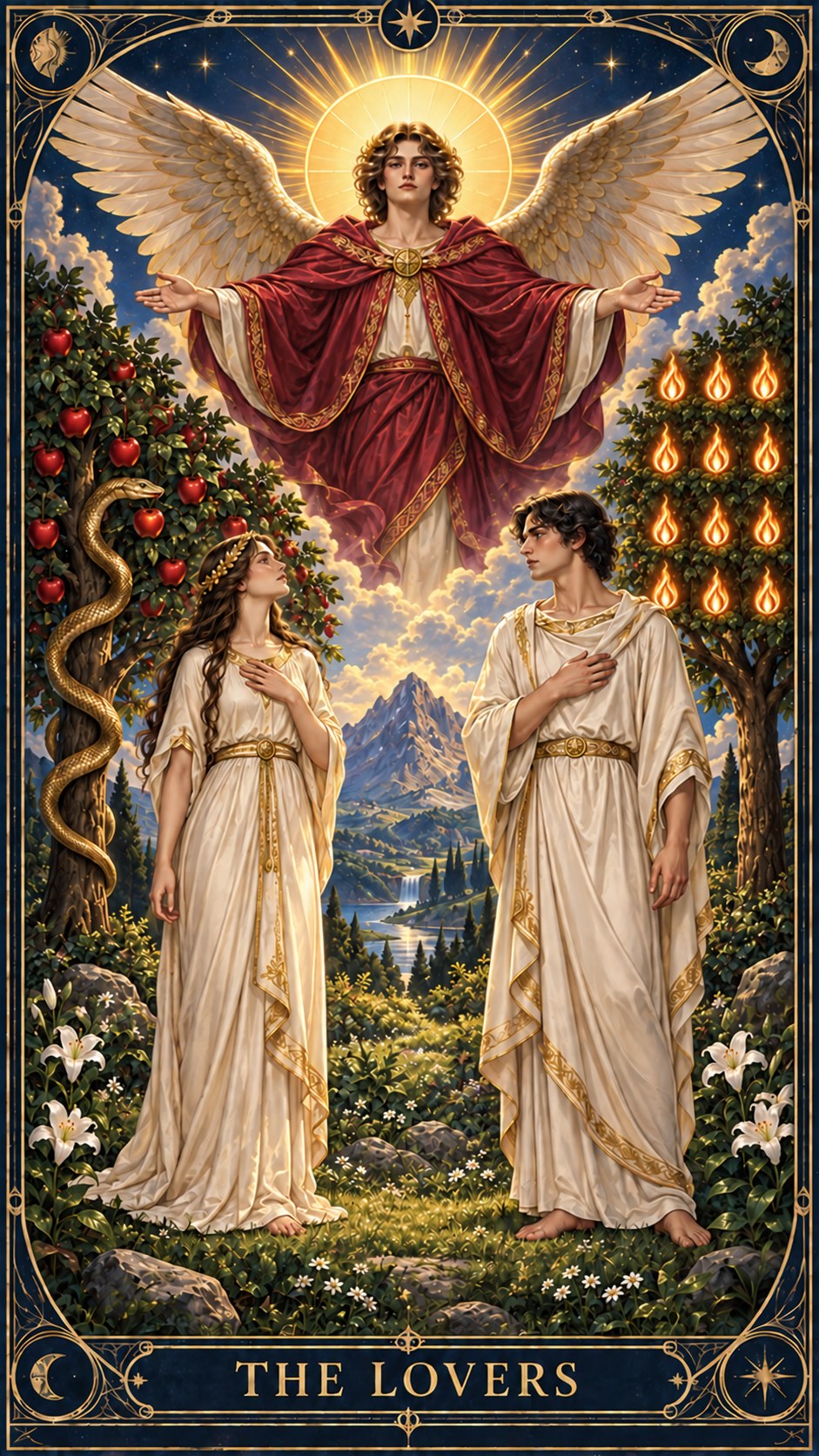
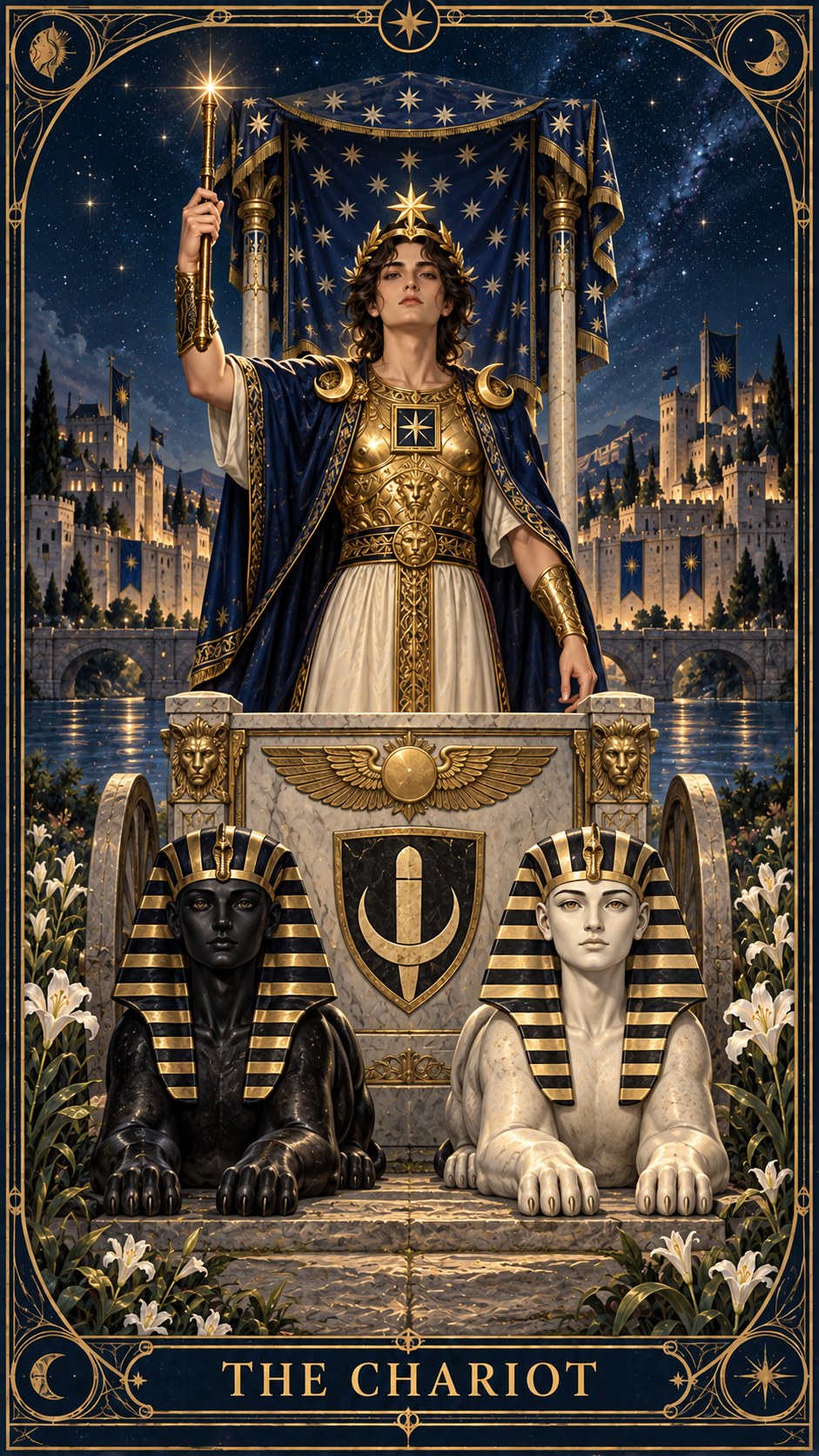
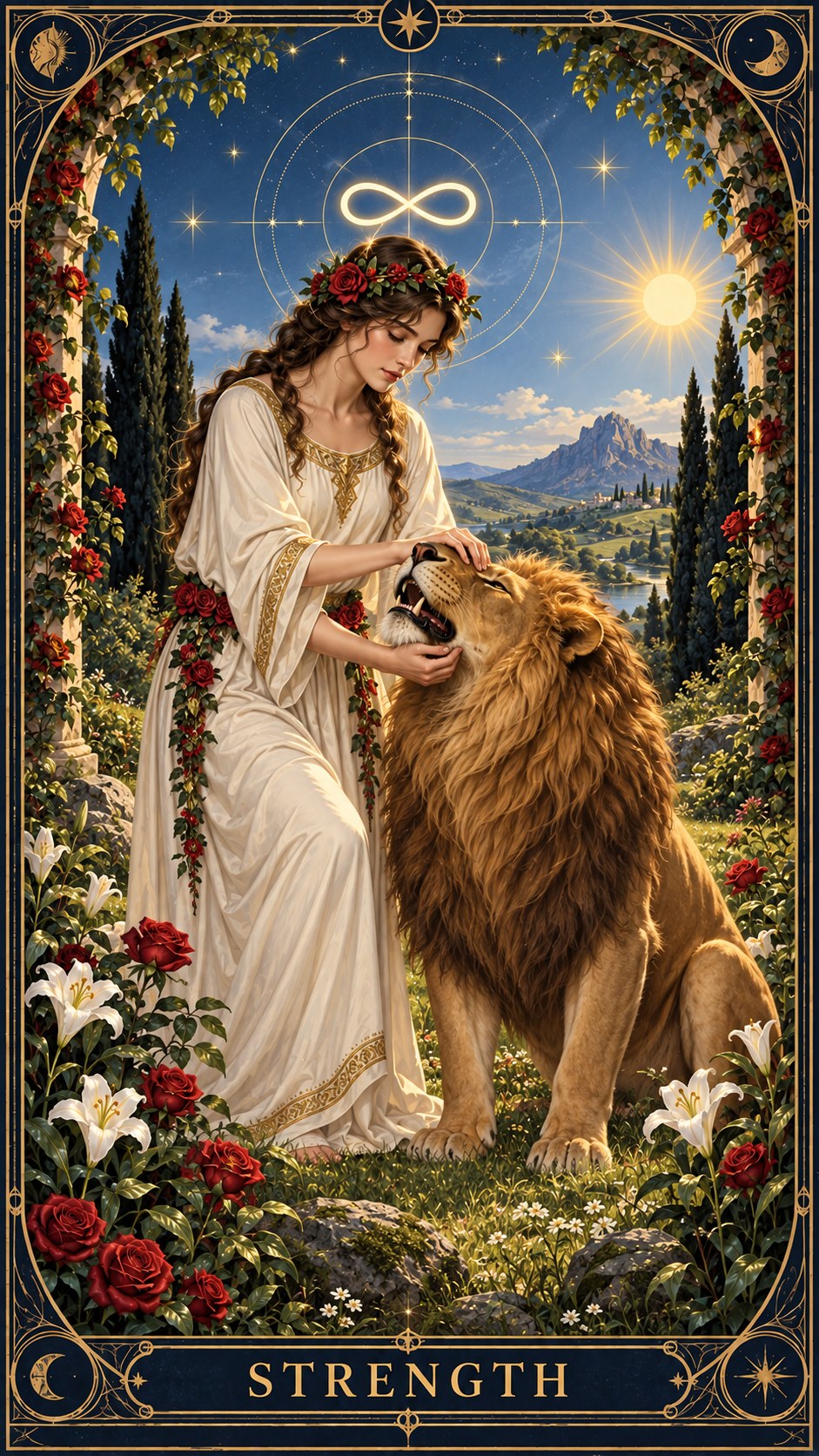
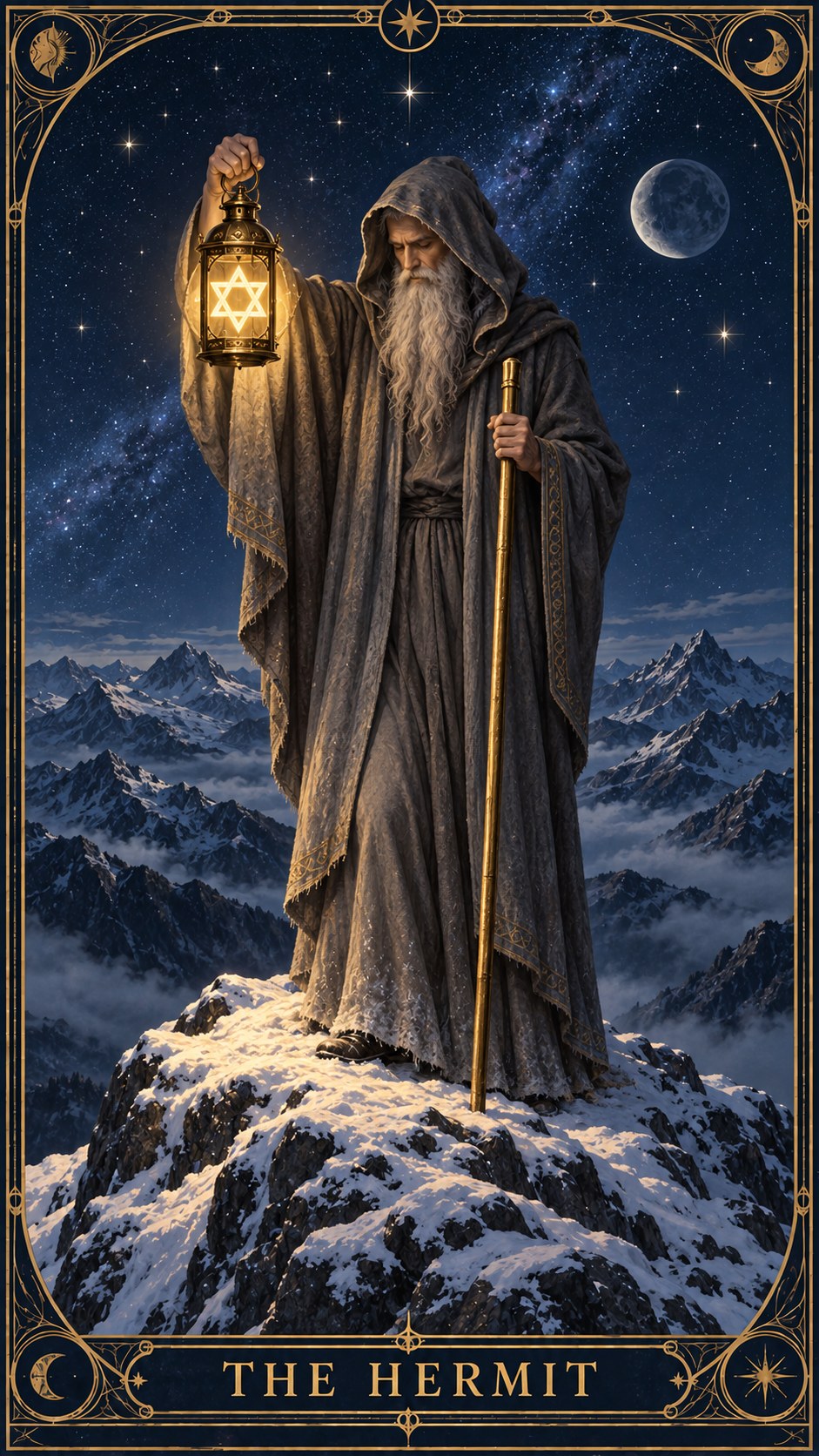
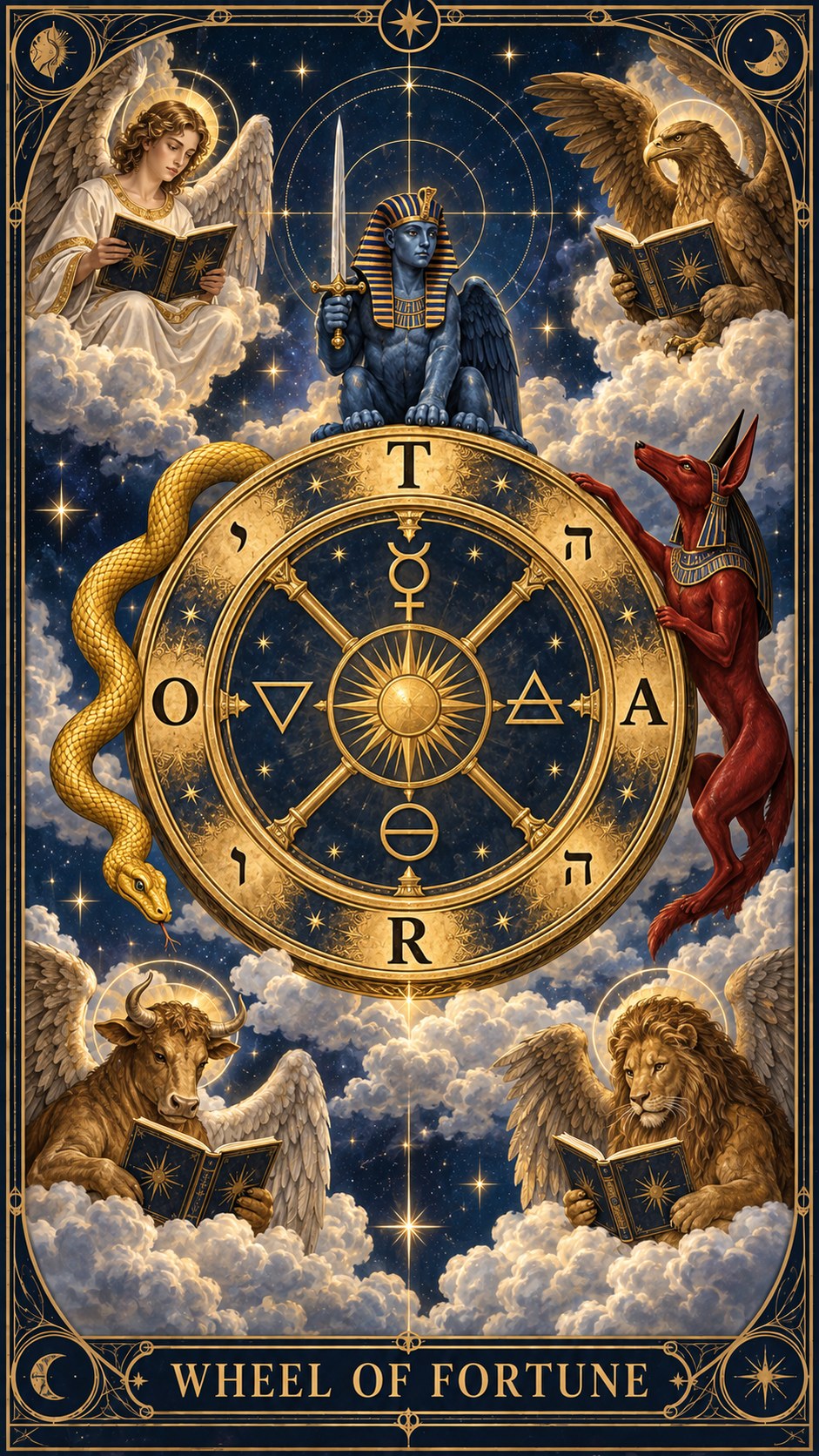
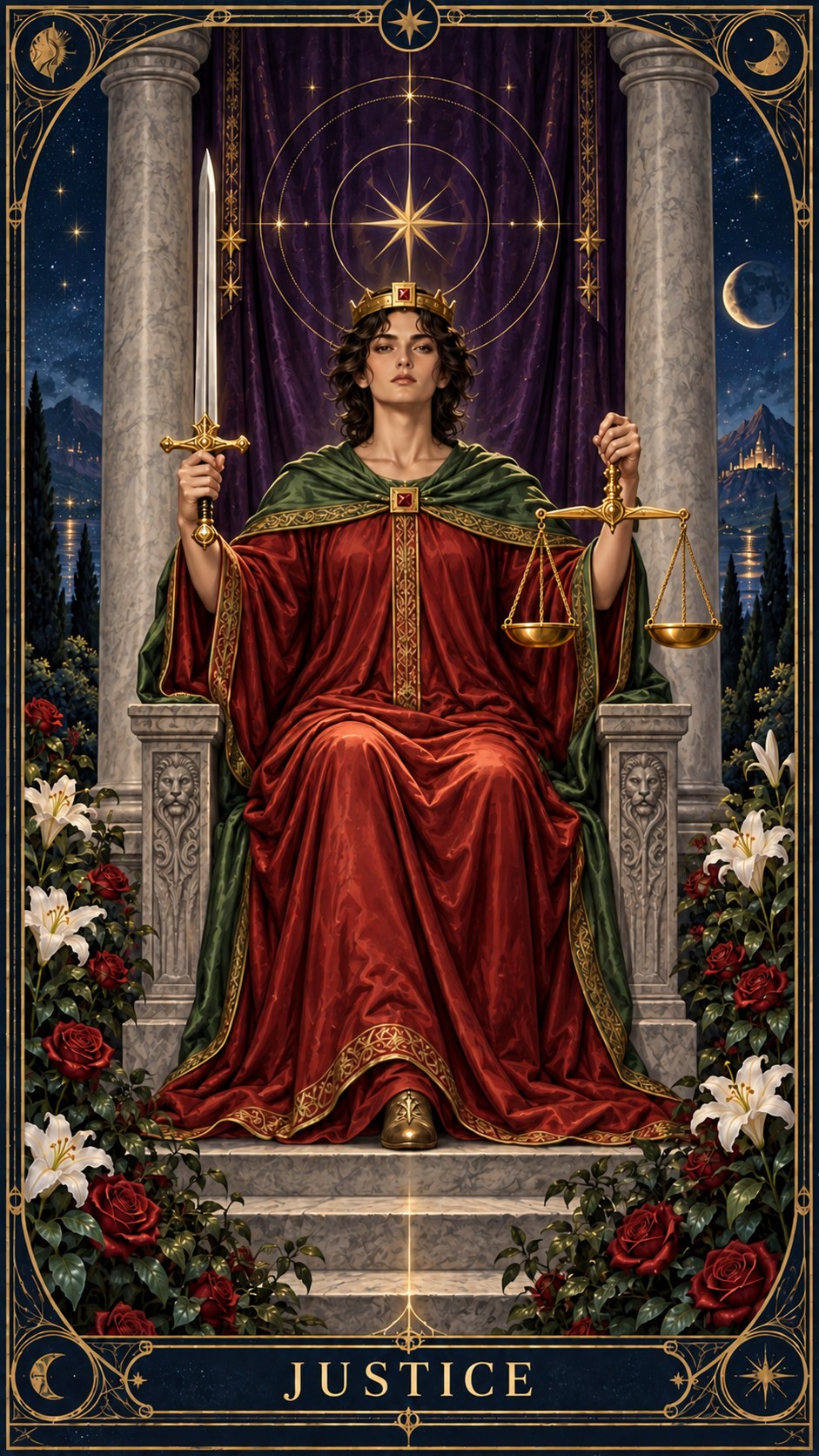
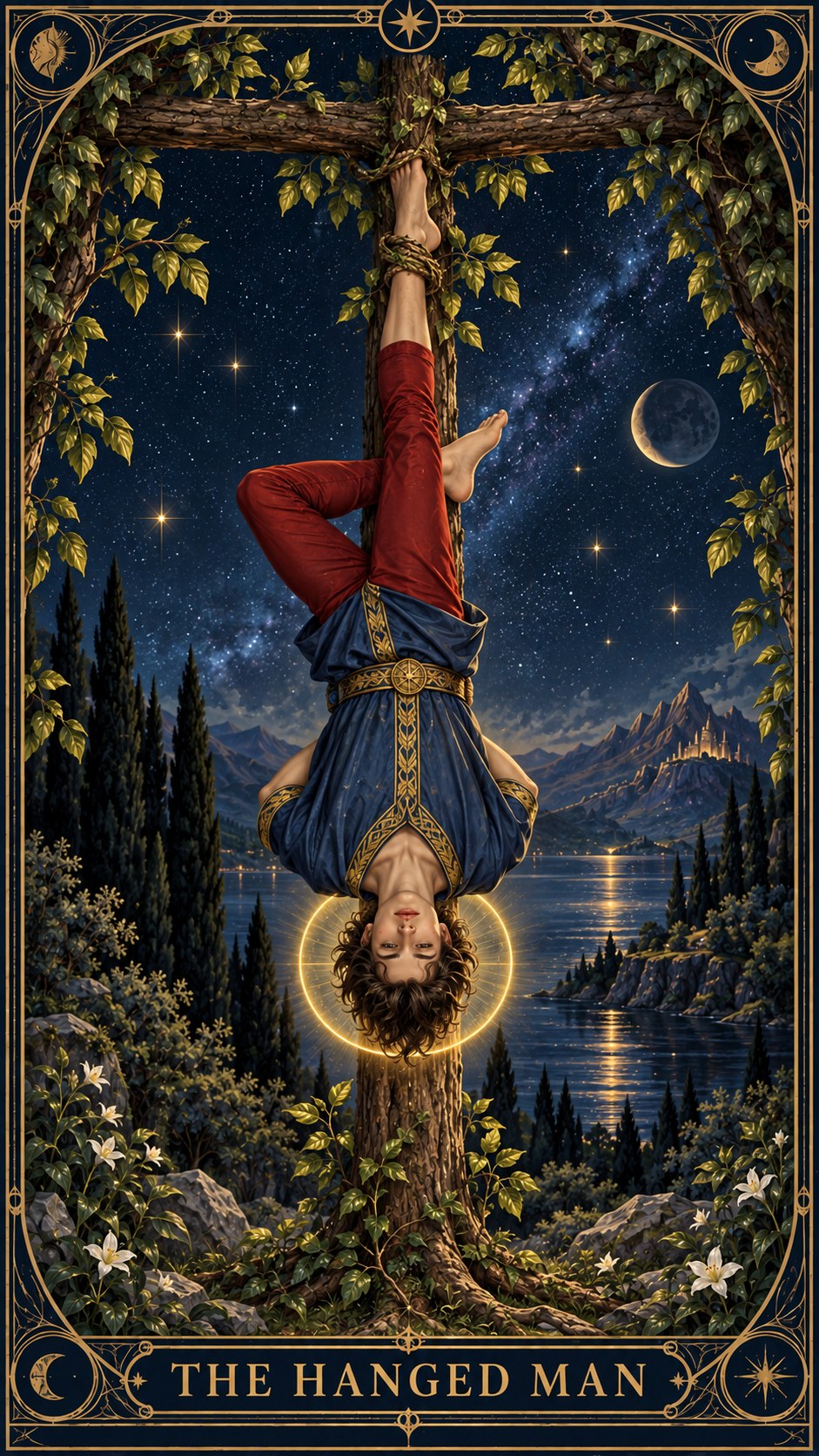
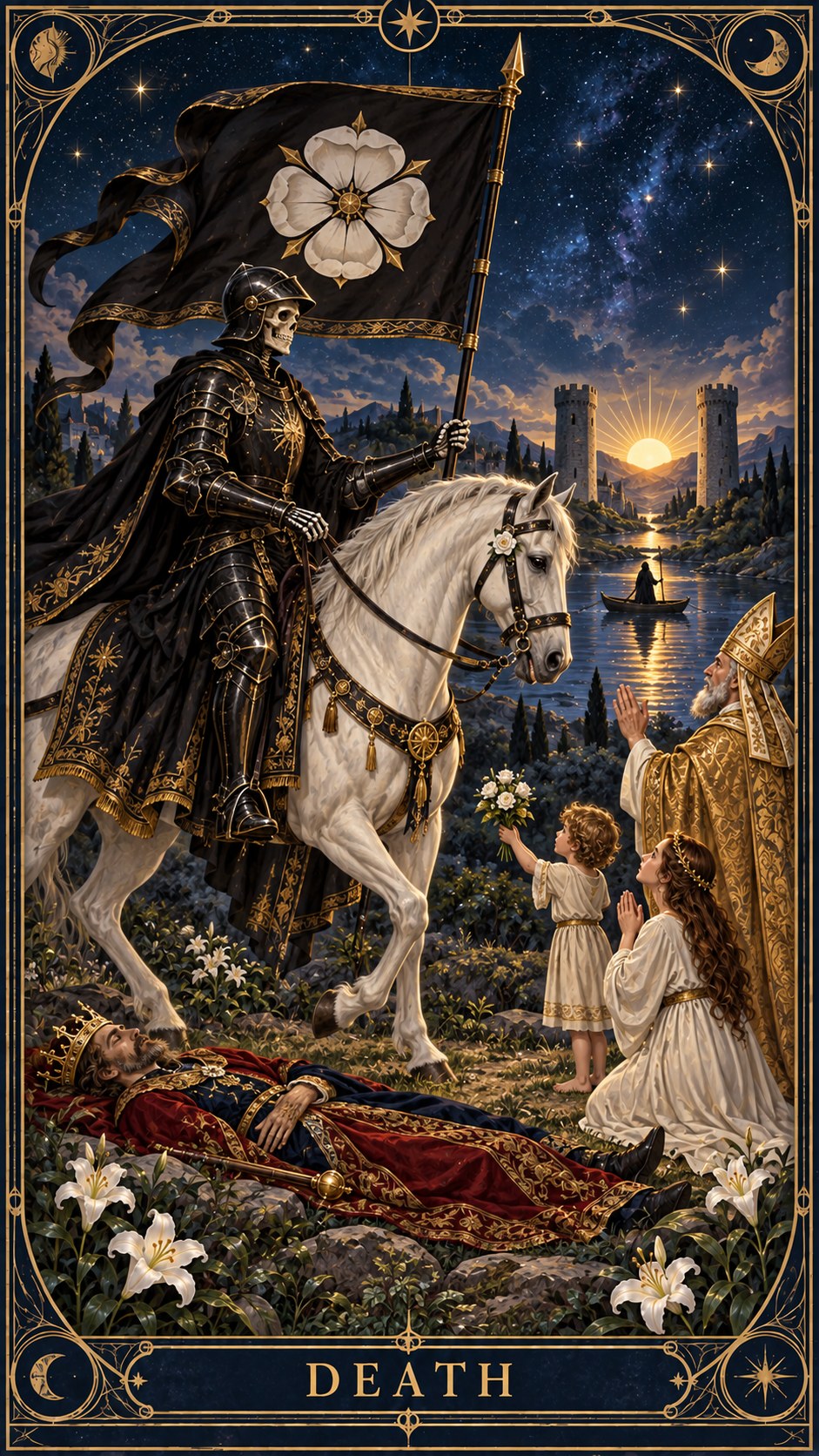
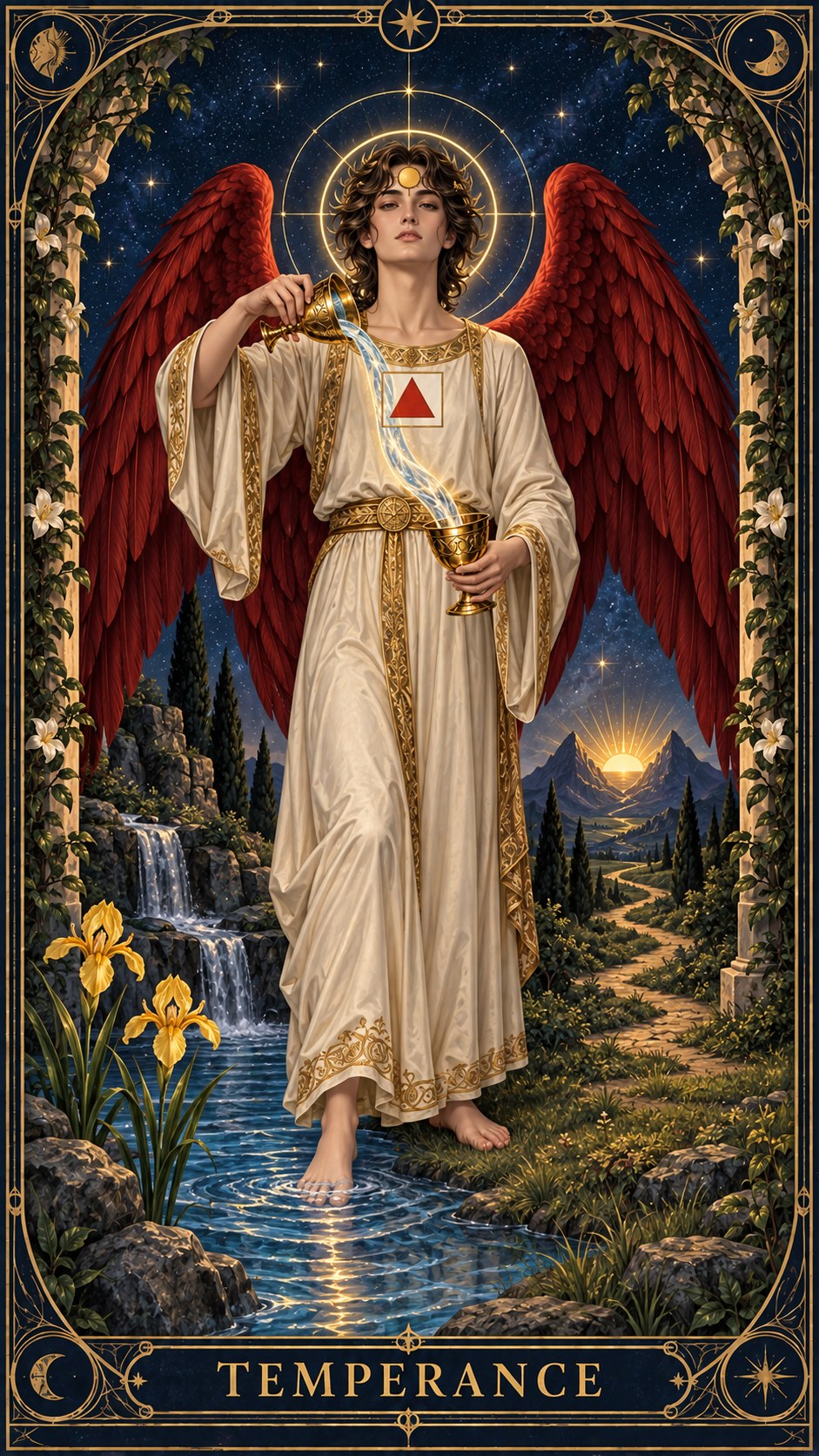
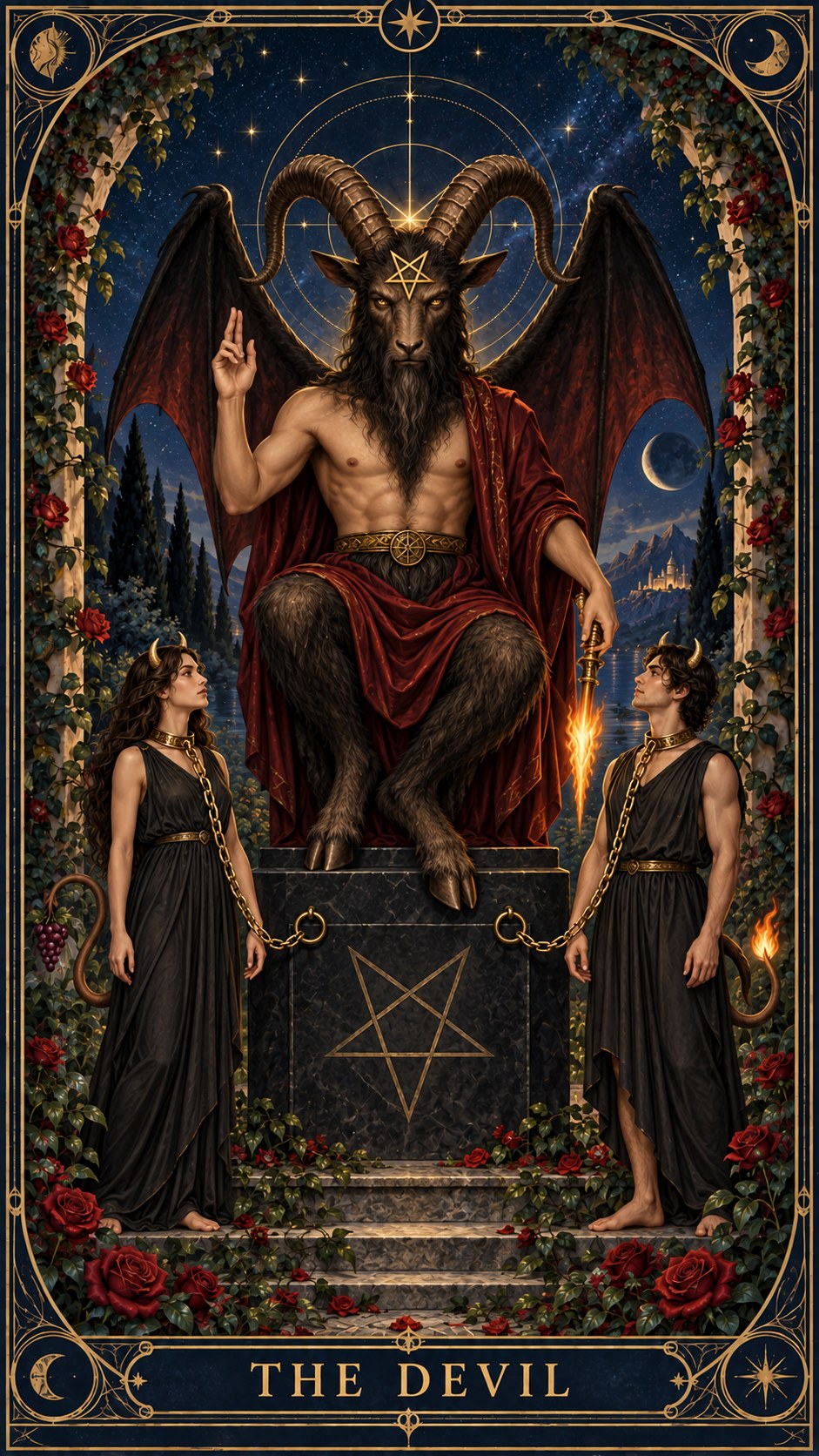
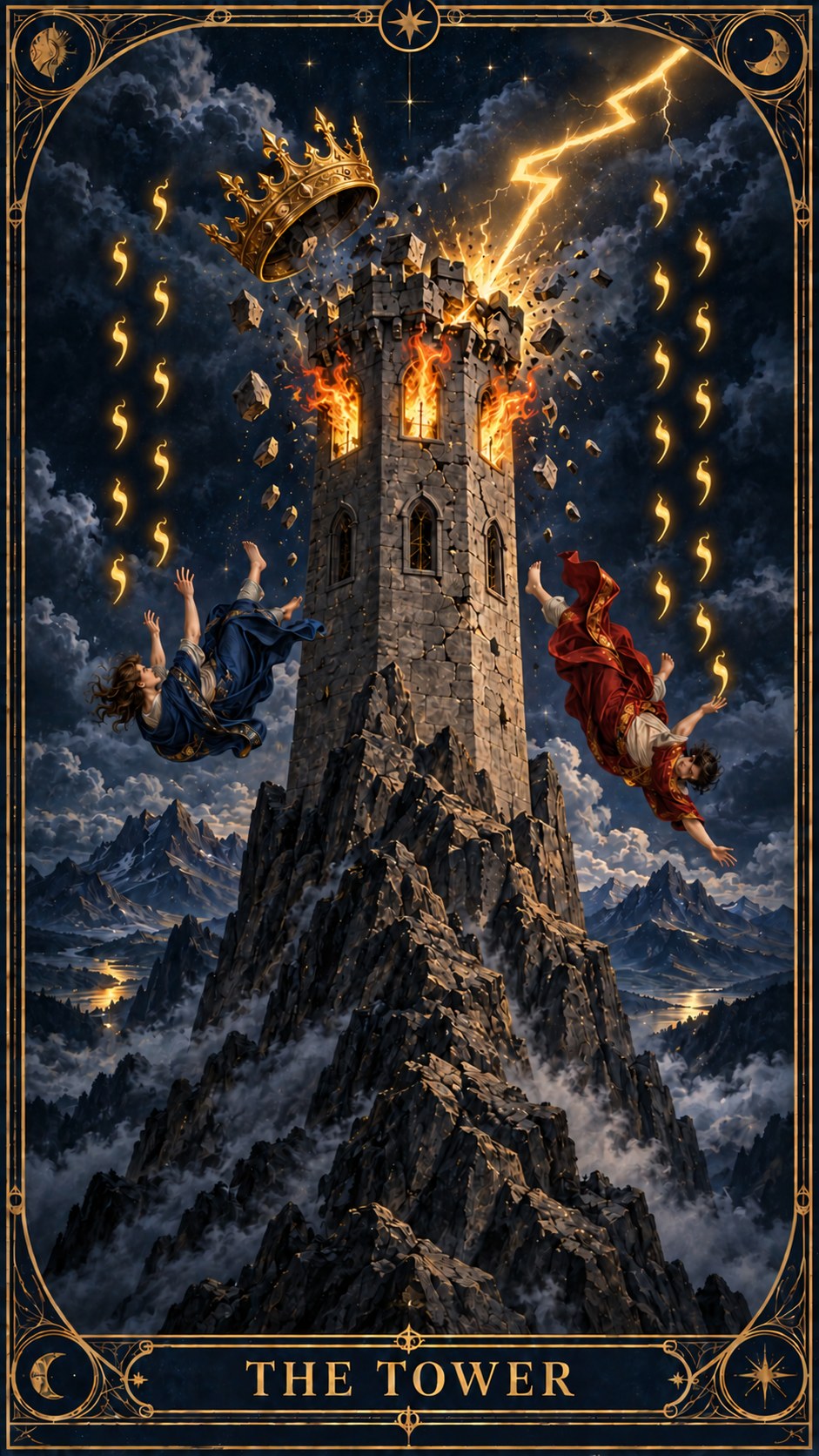
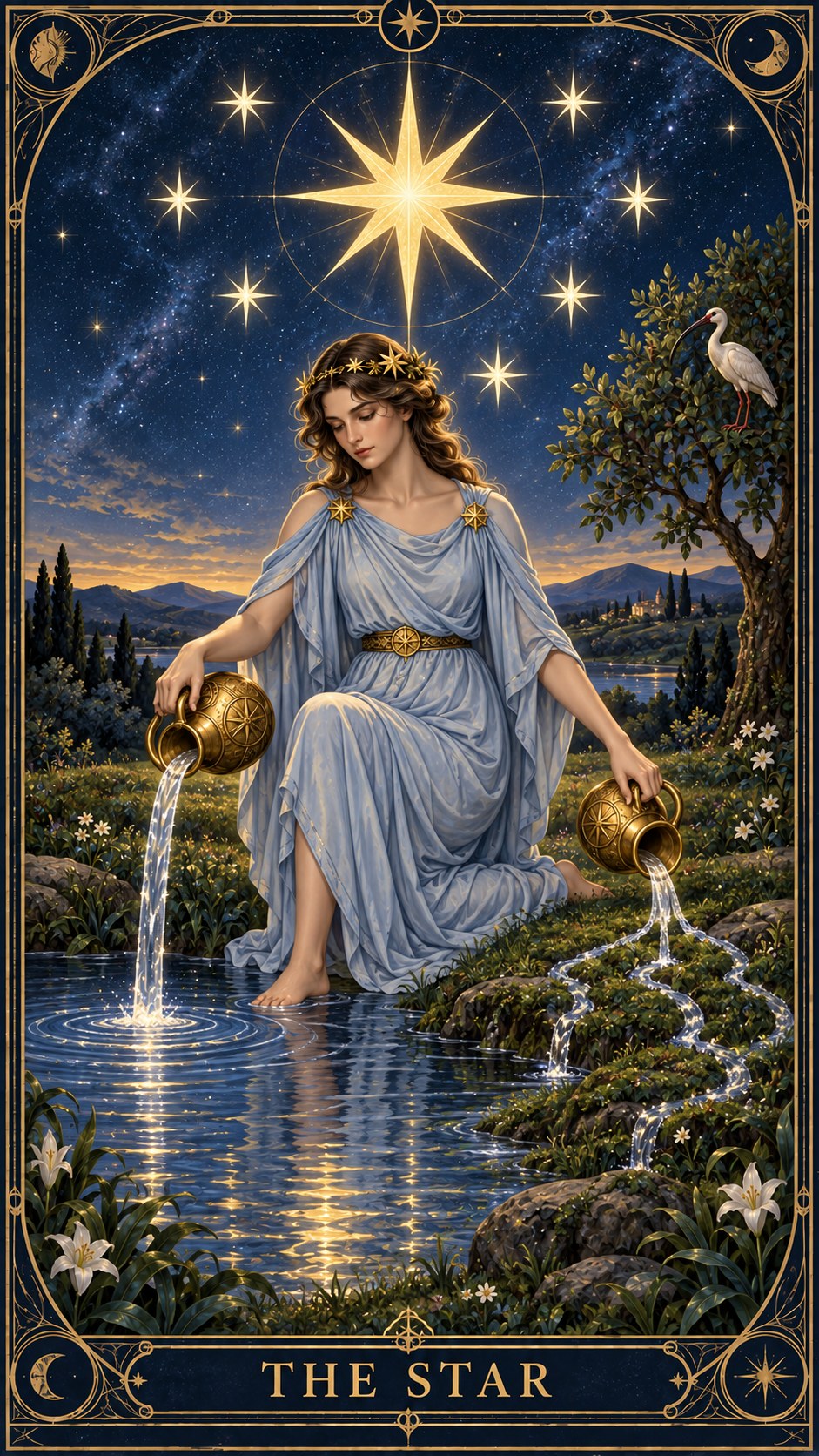
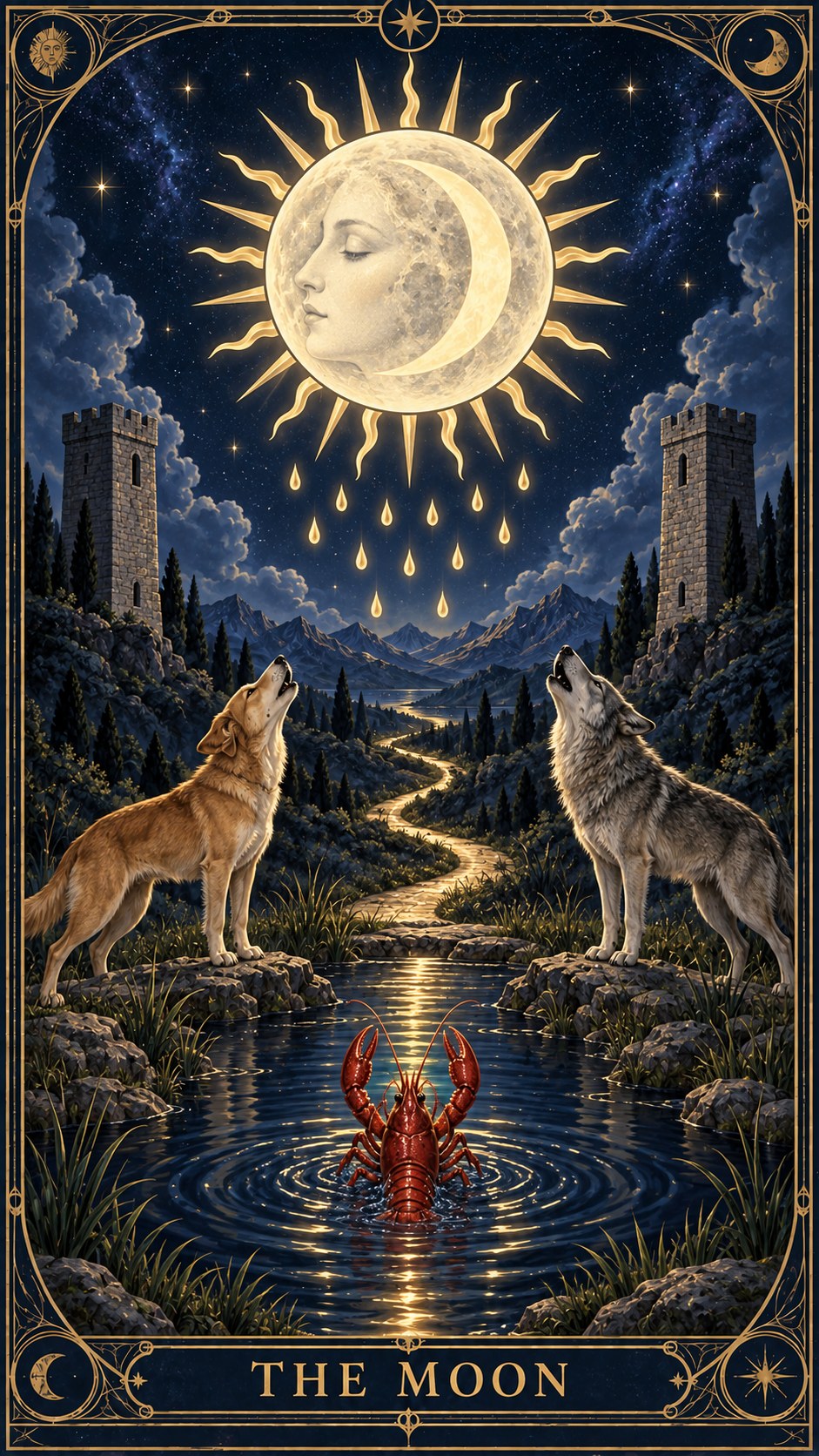
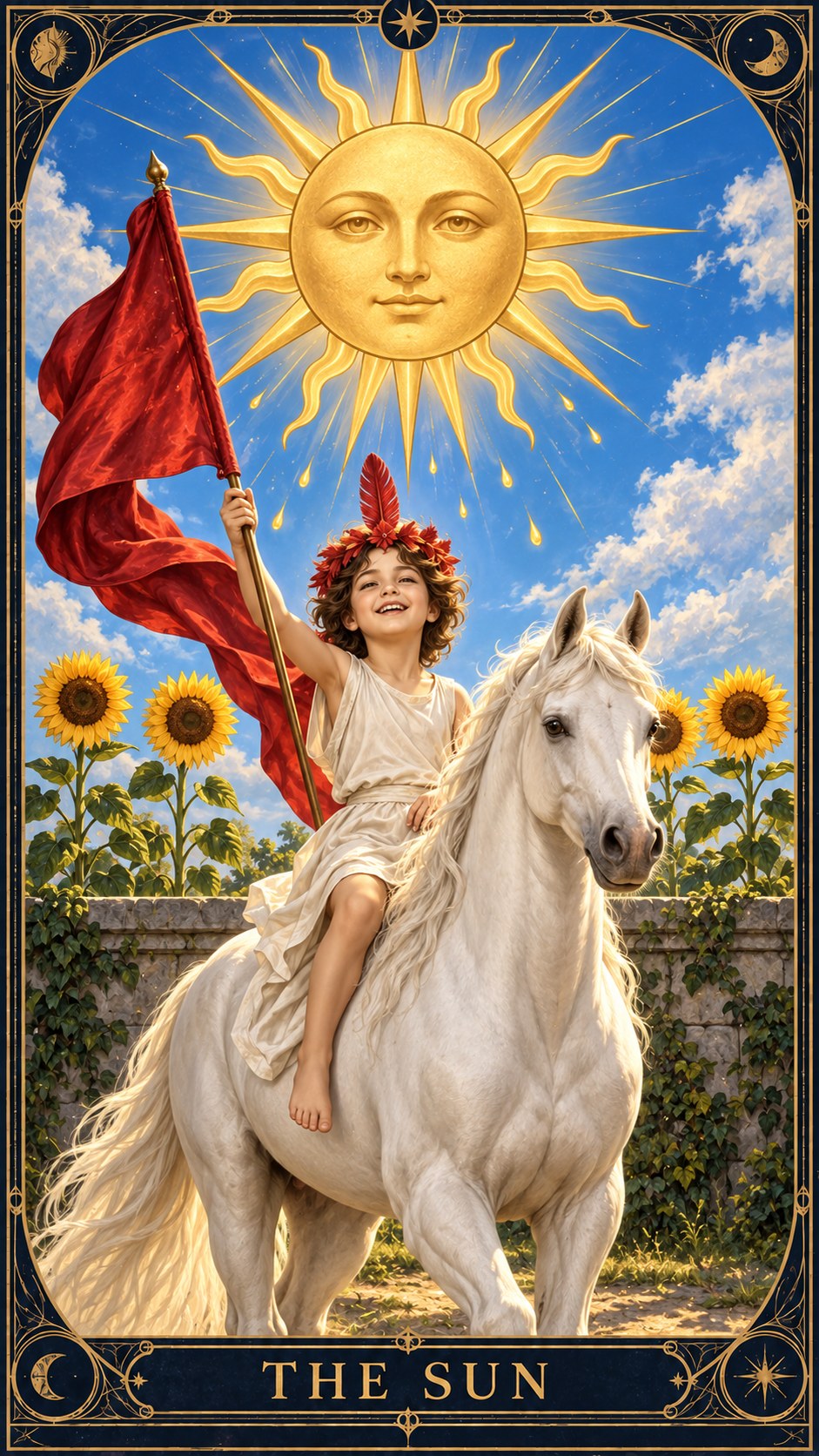
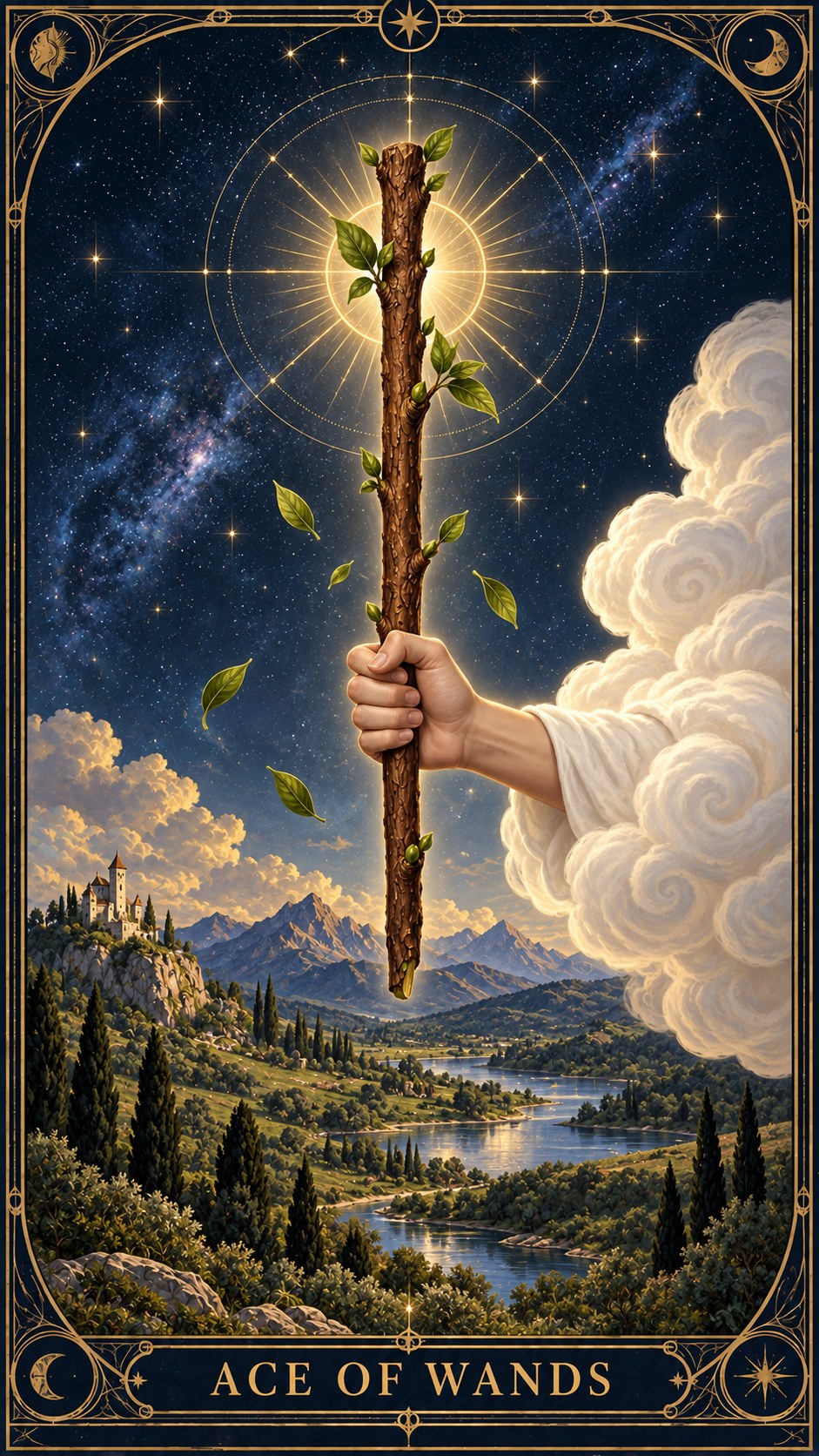
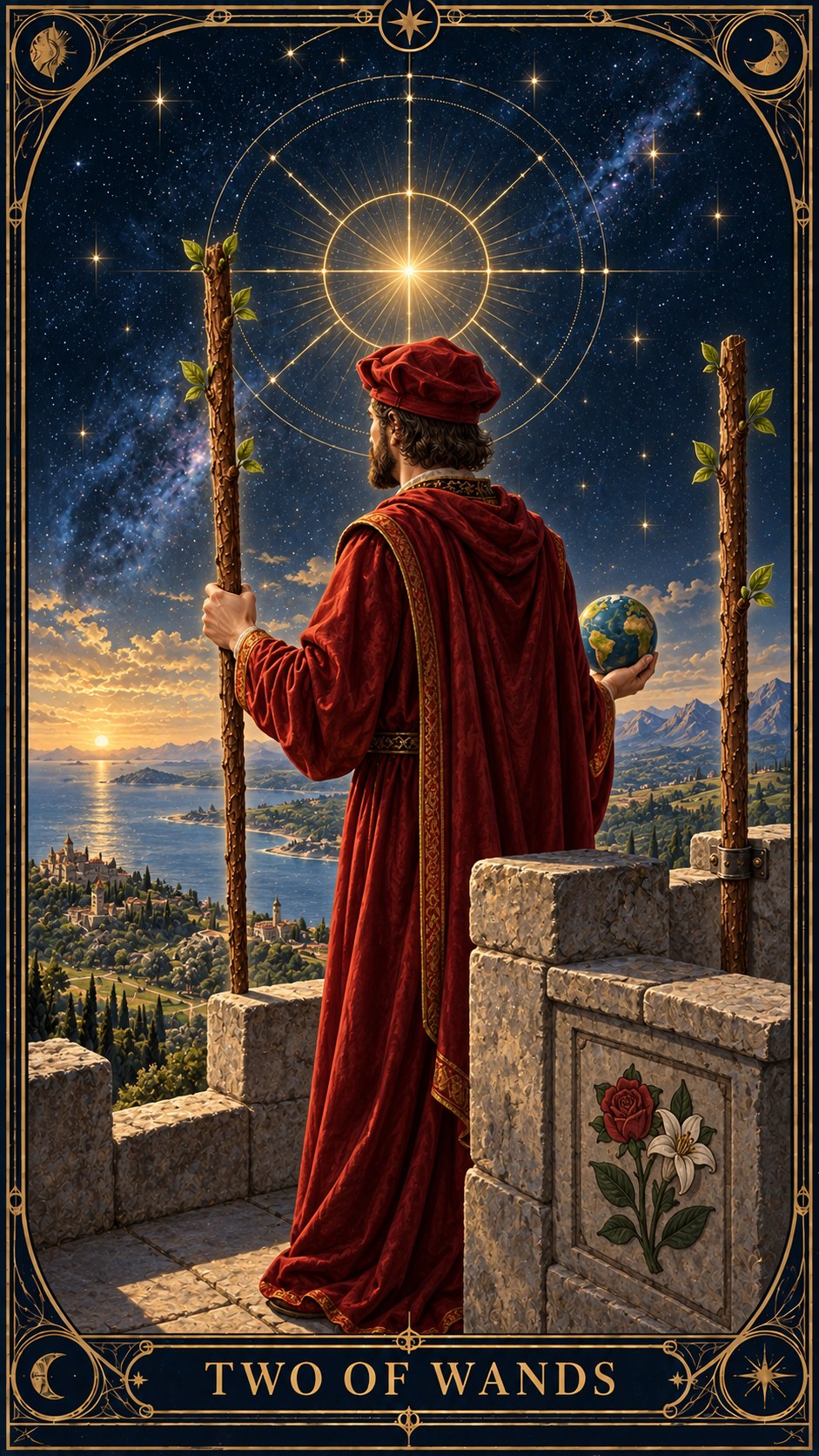
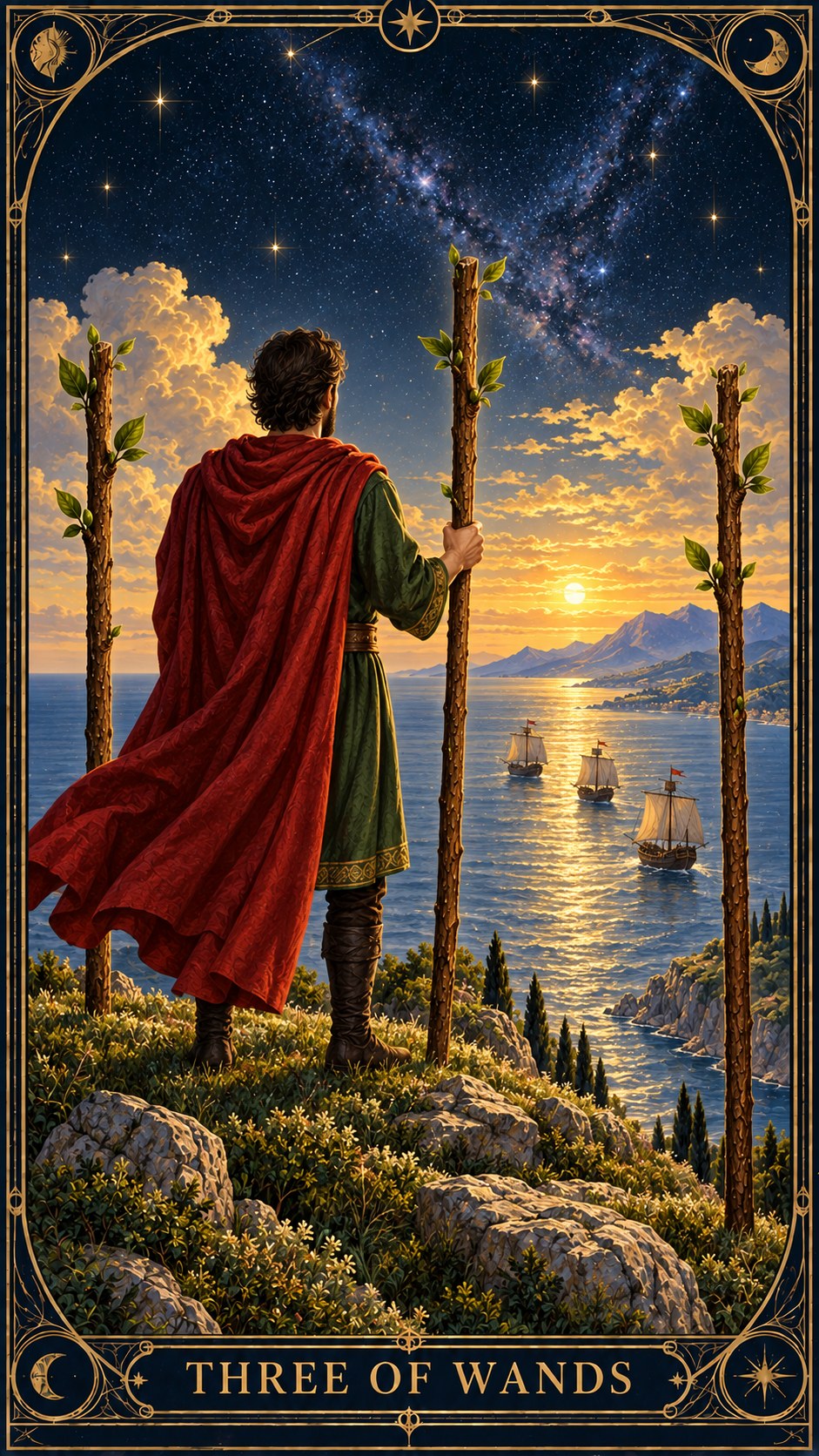
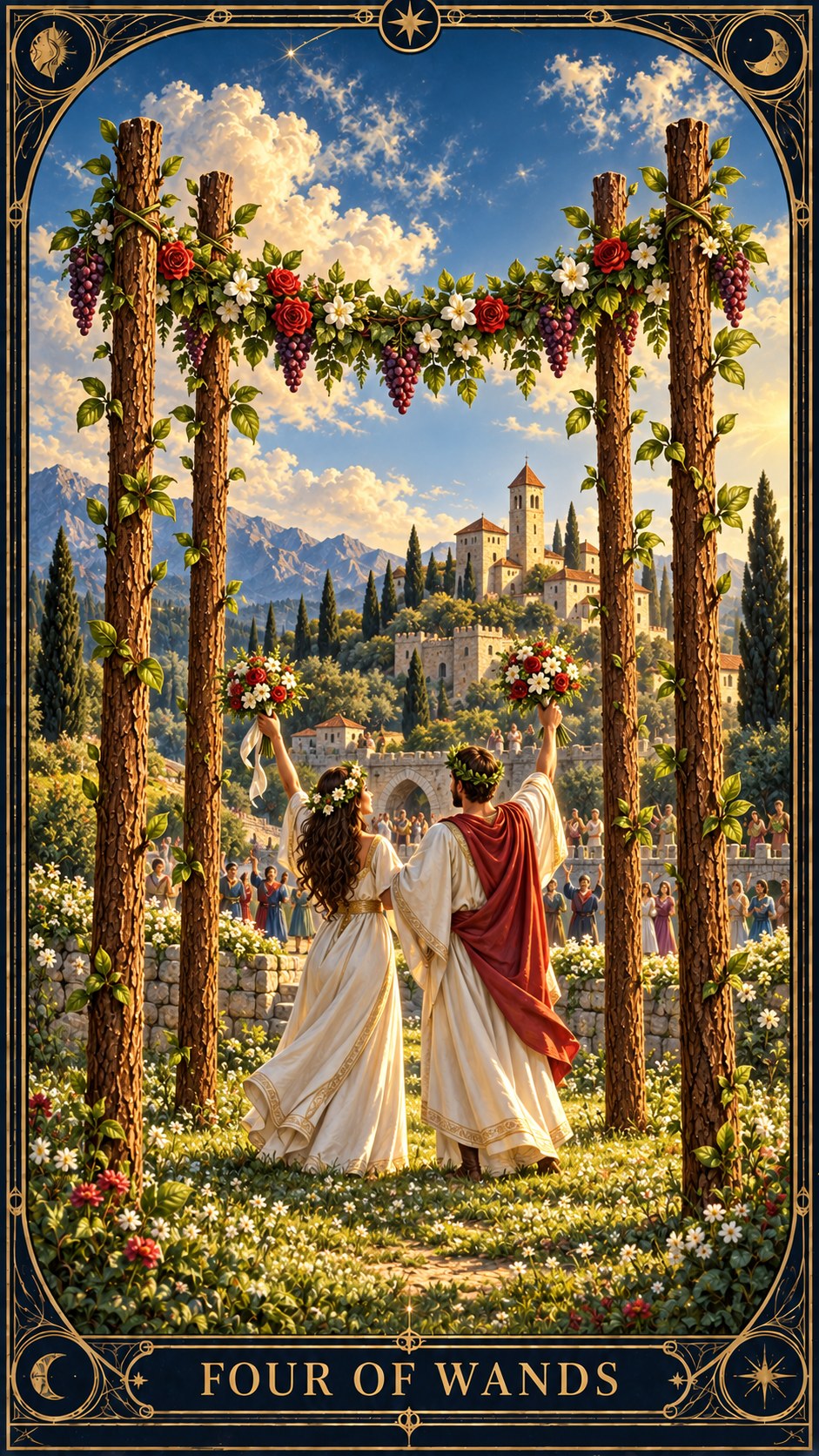
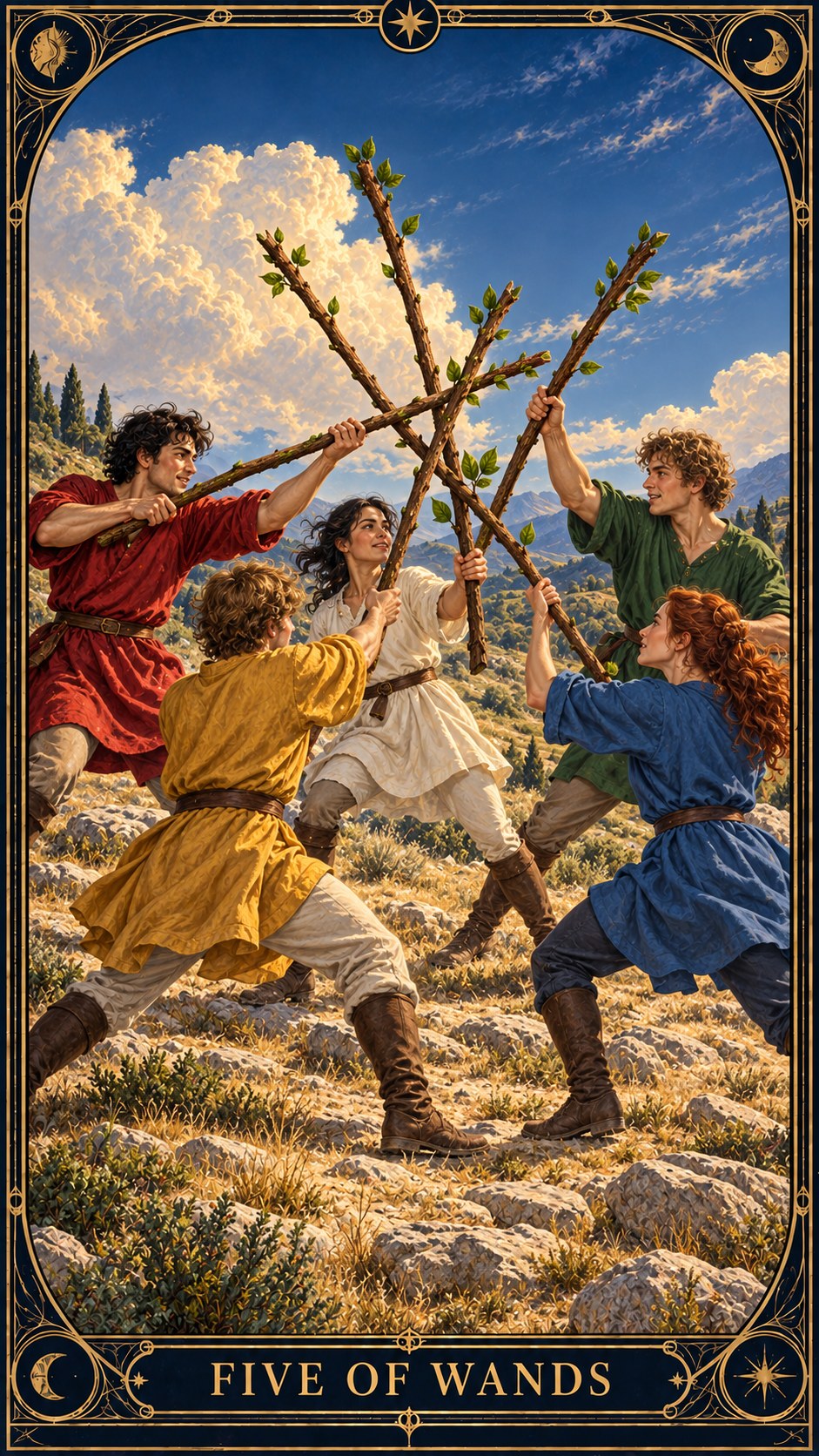
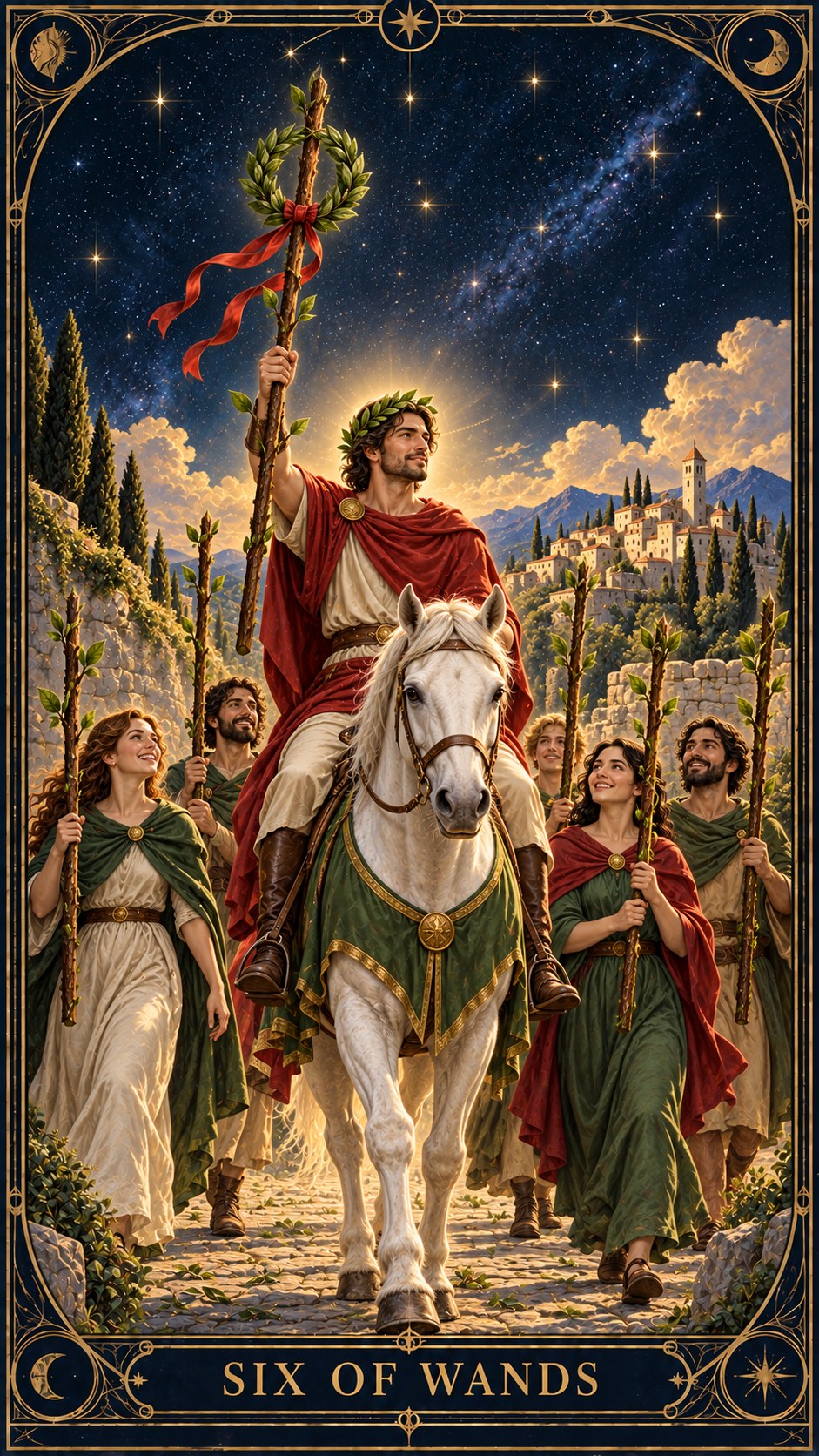
Wands
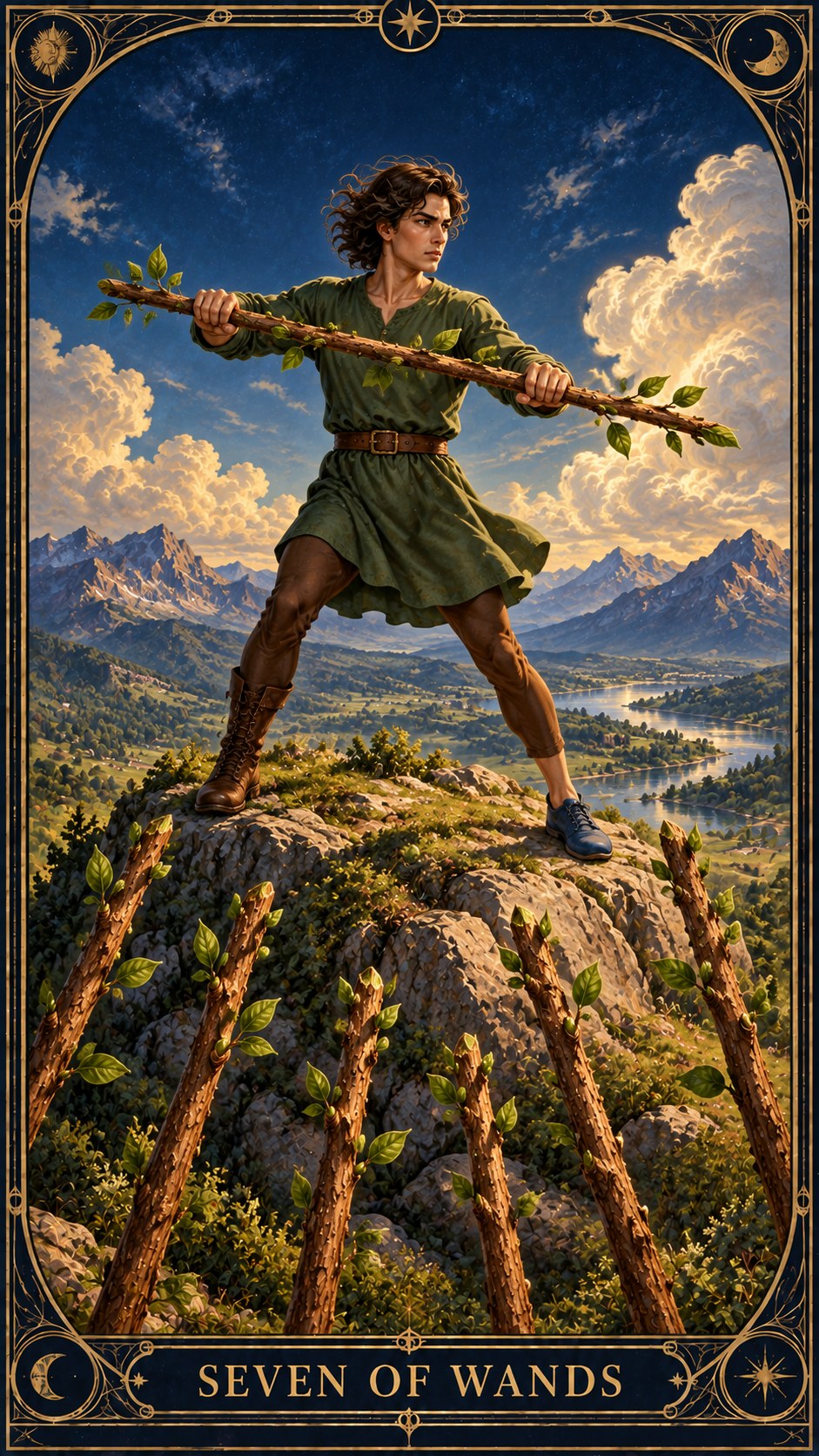
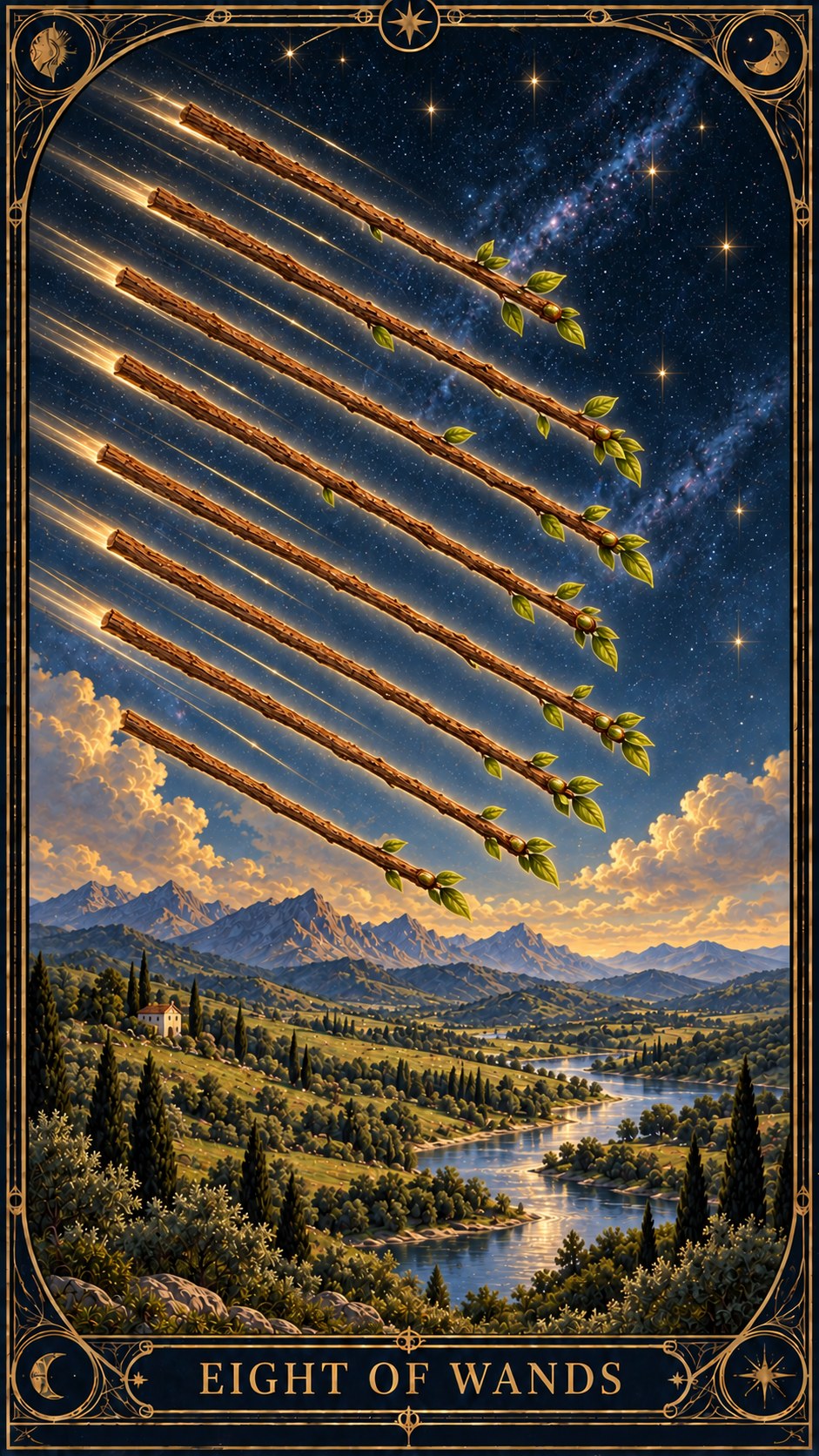
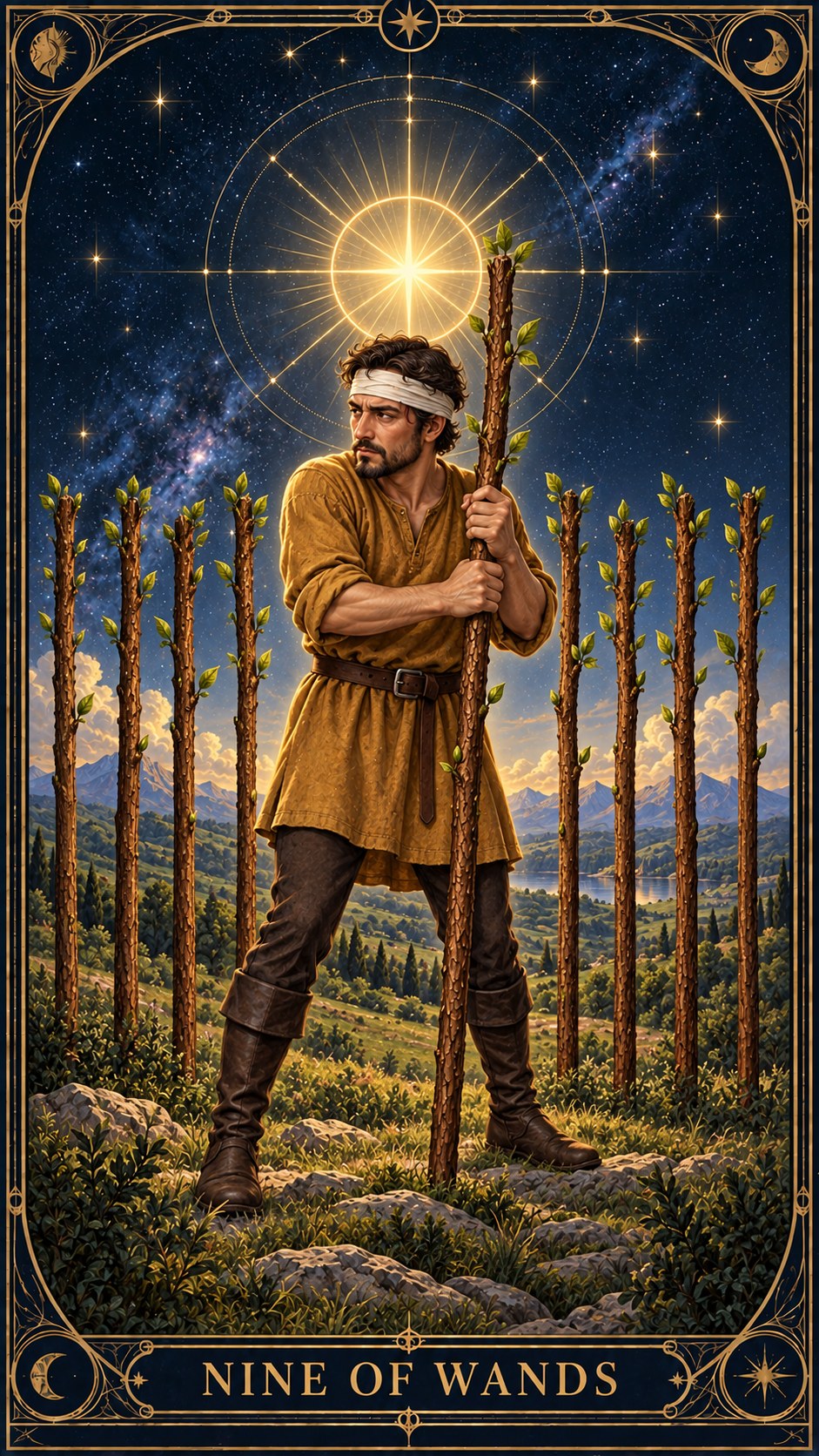
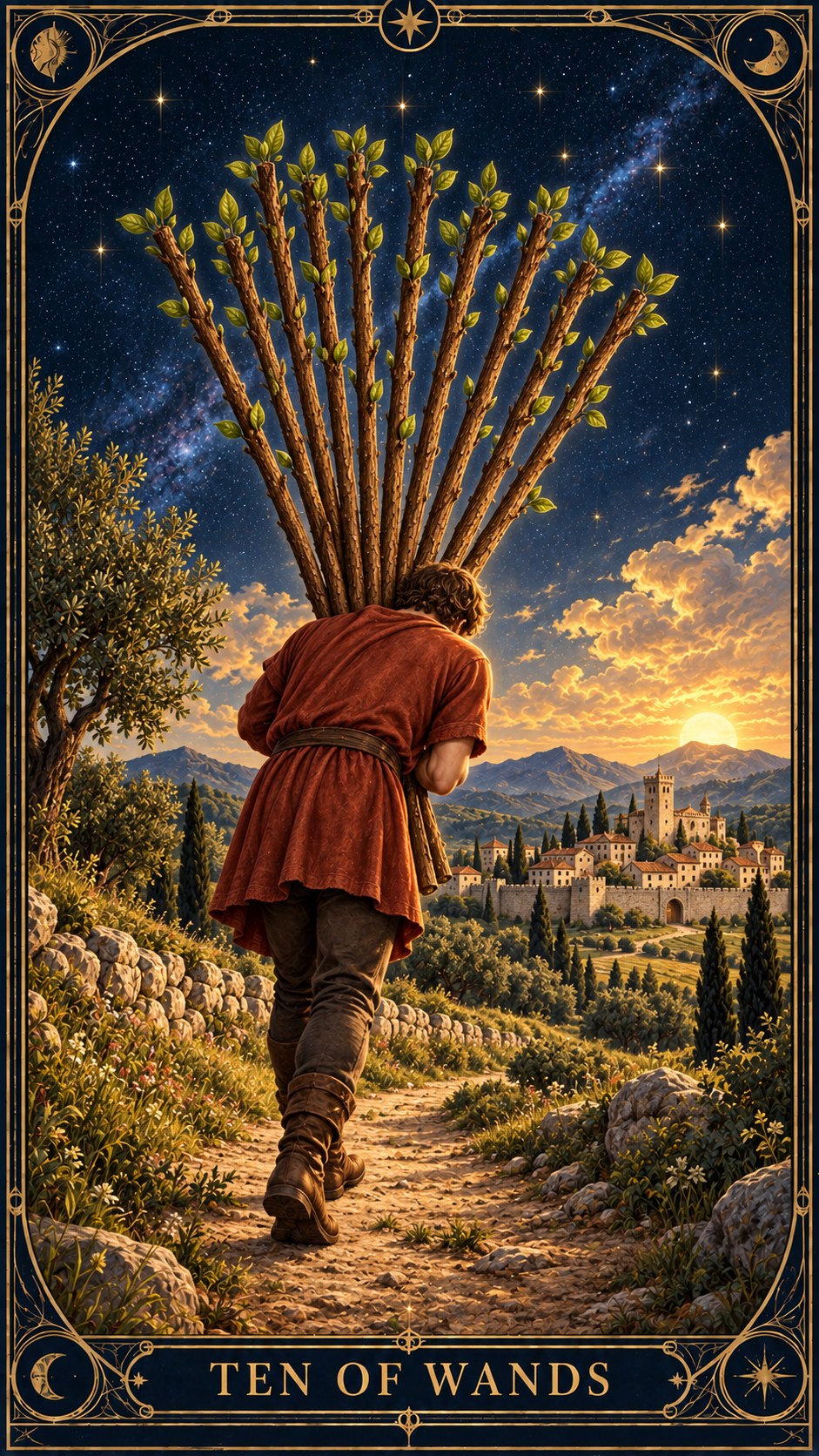
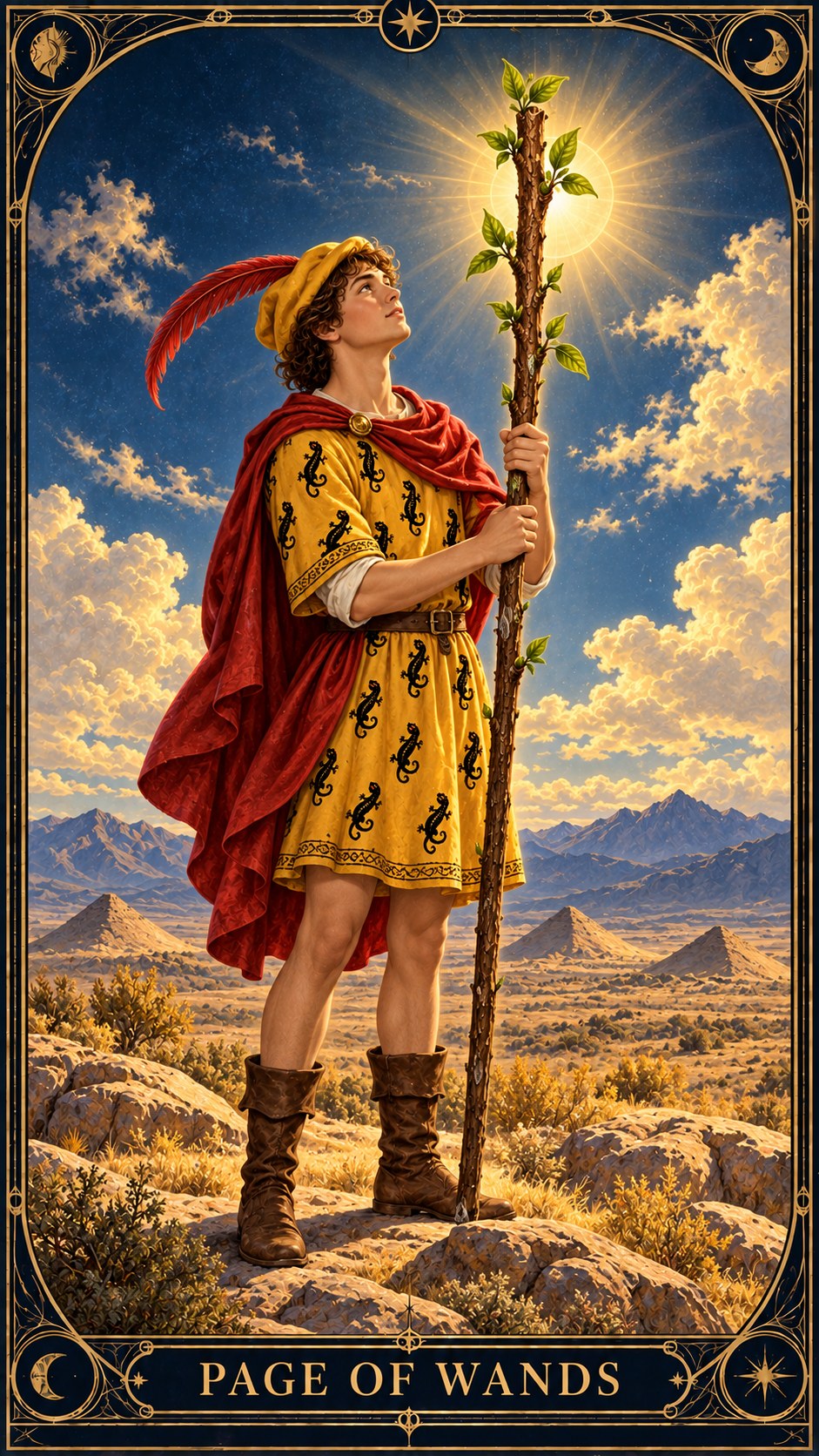
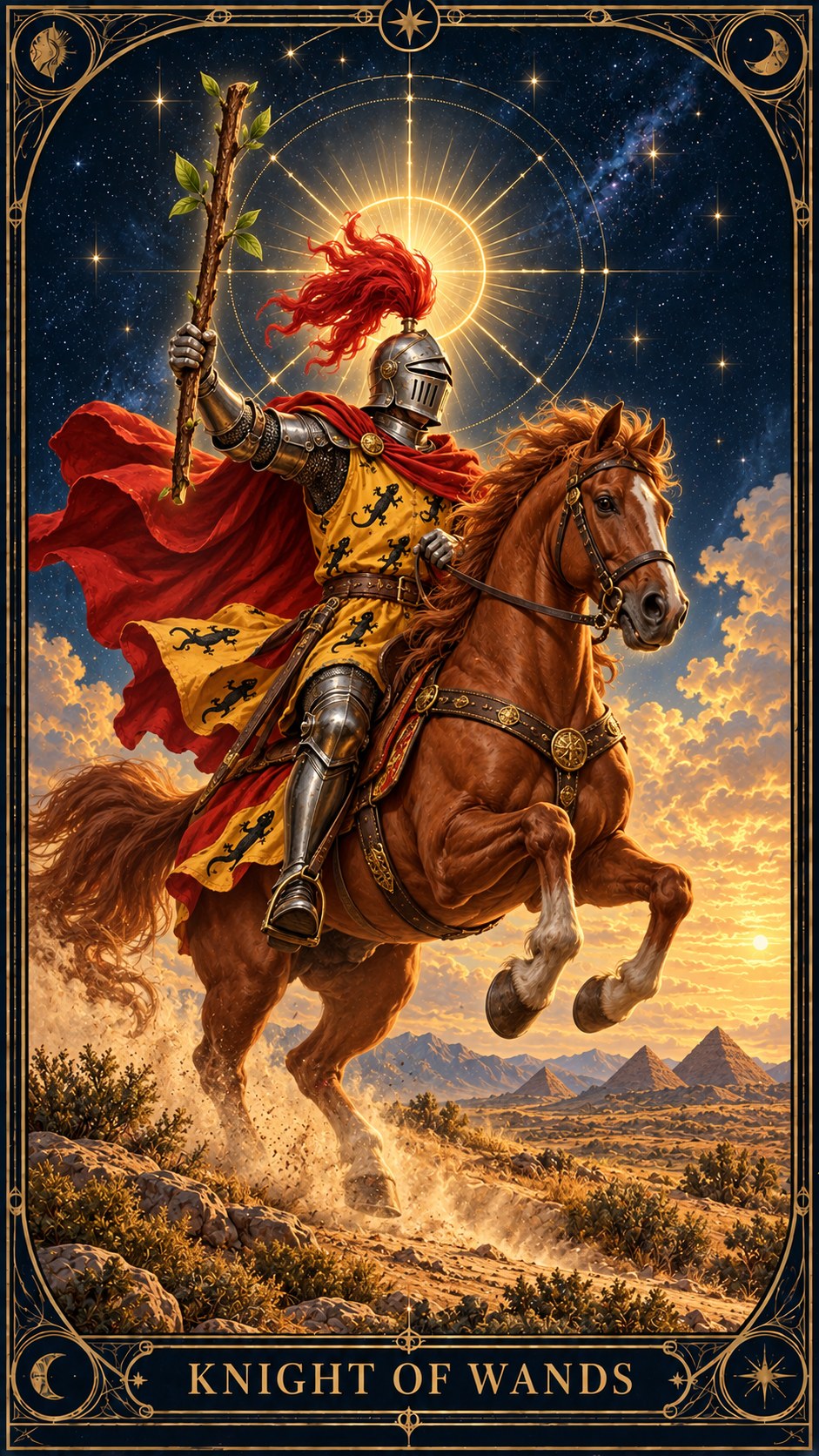
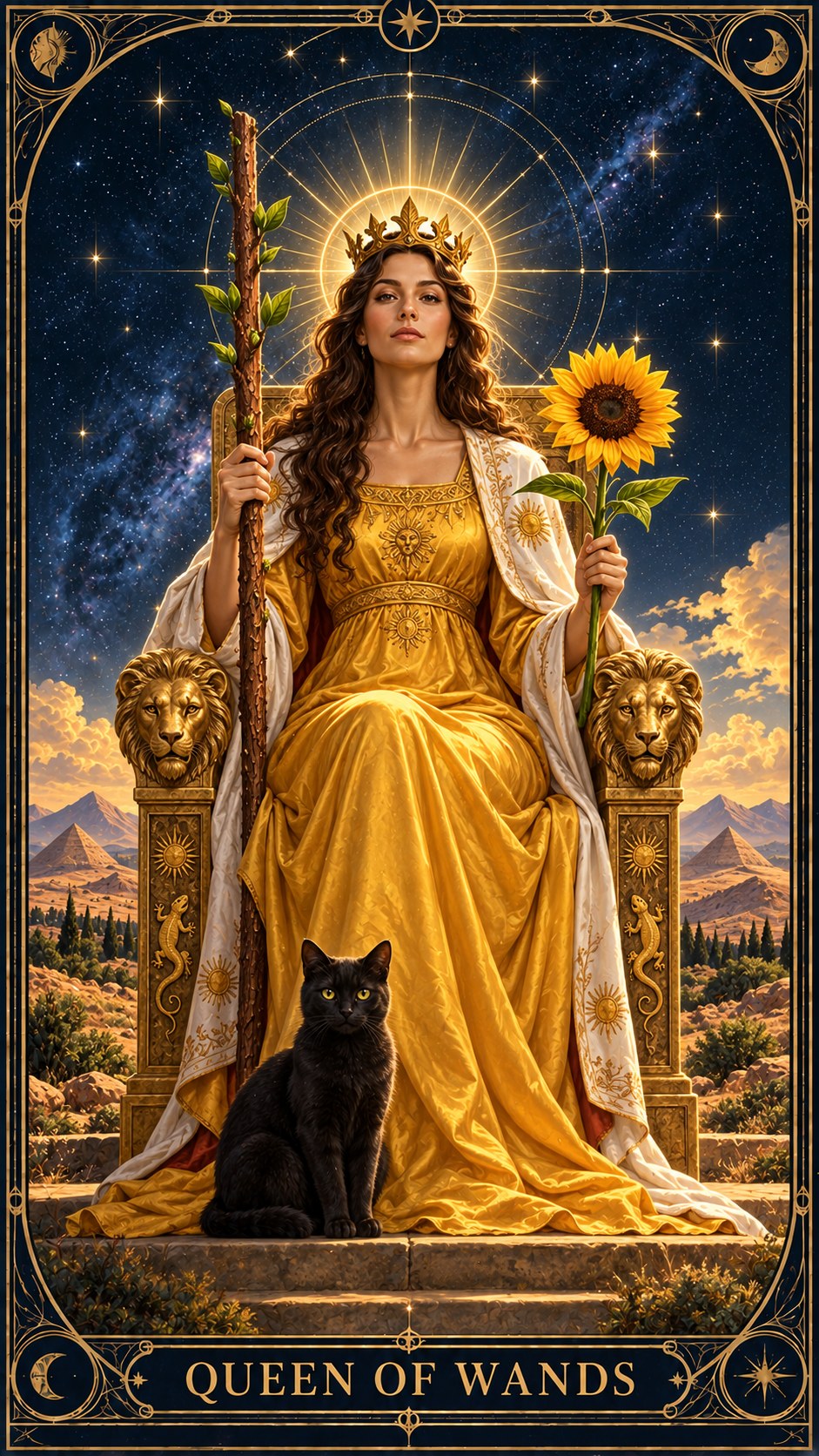
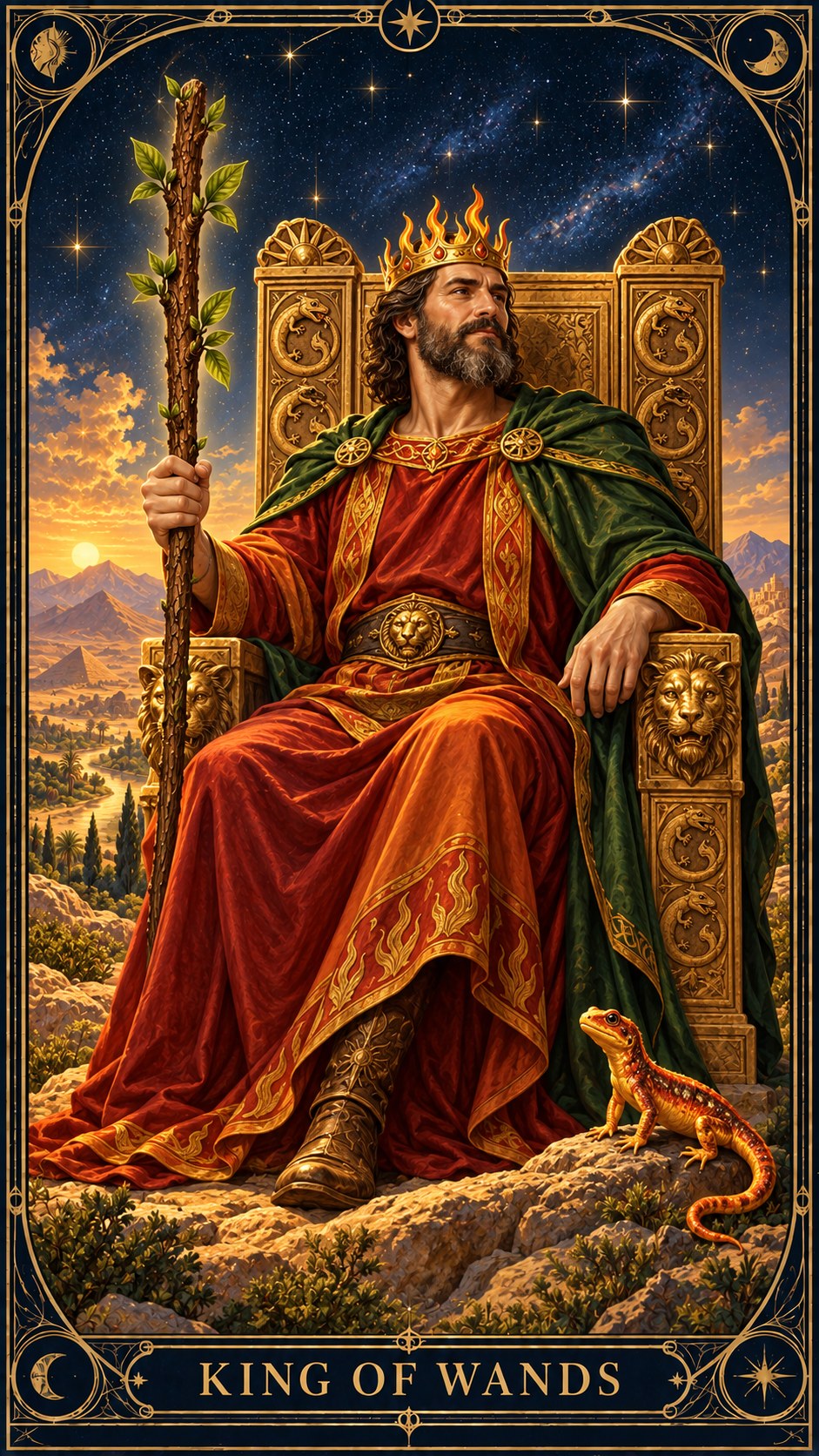
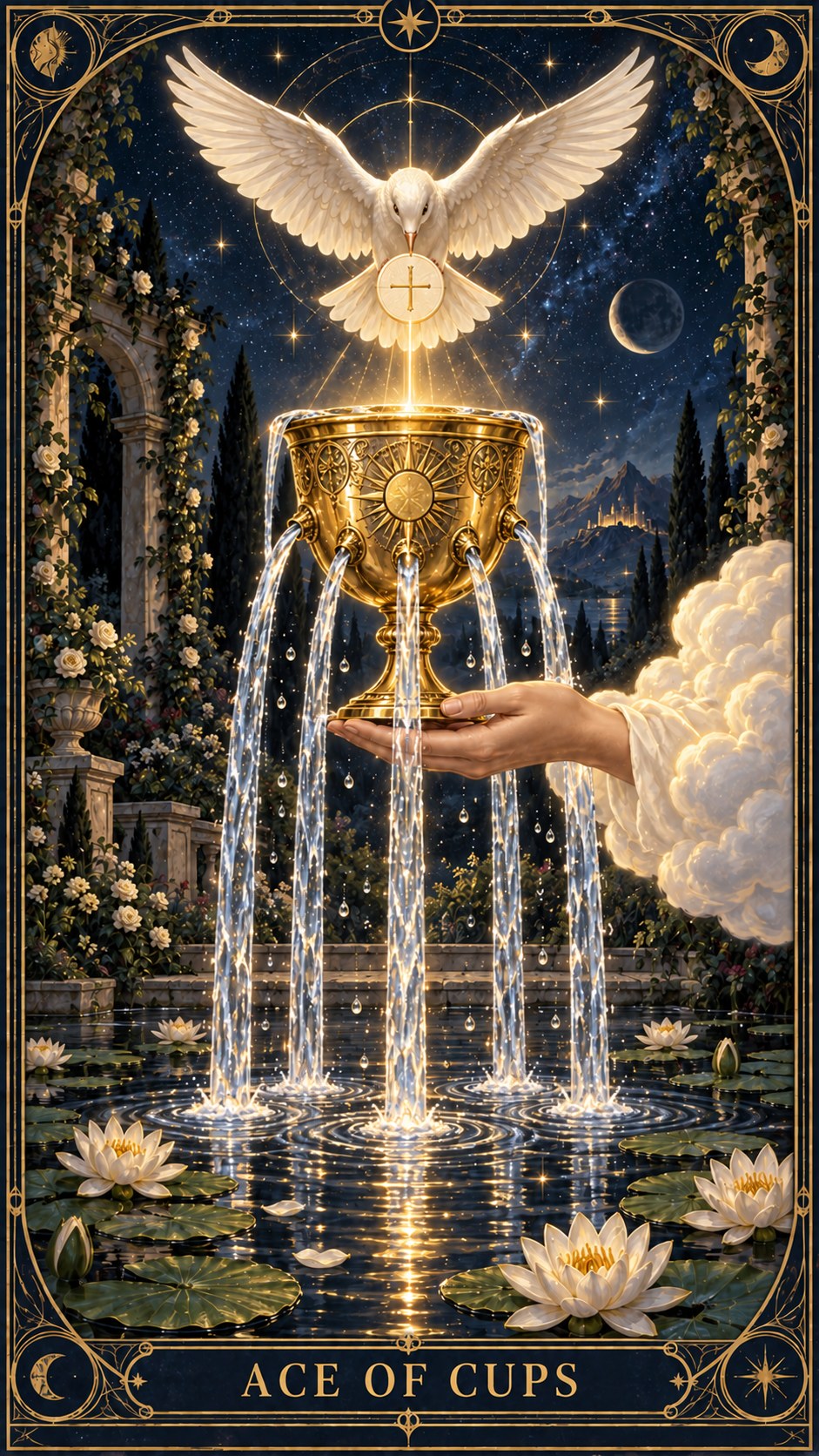
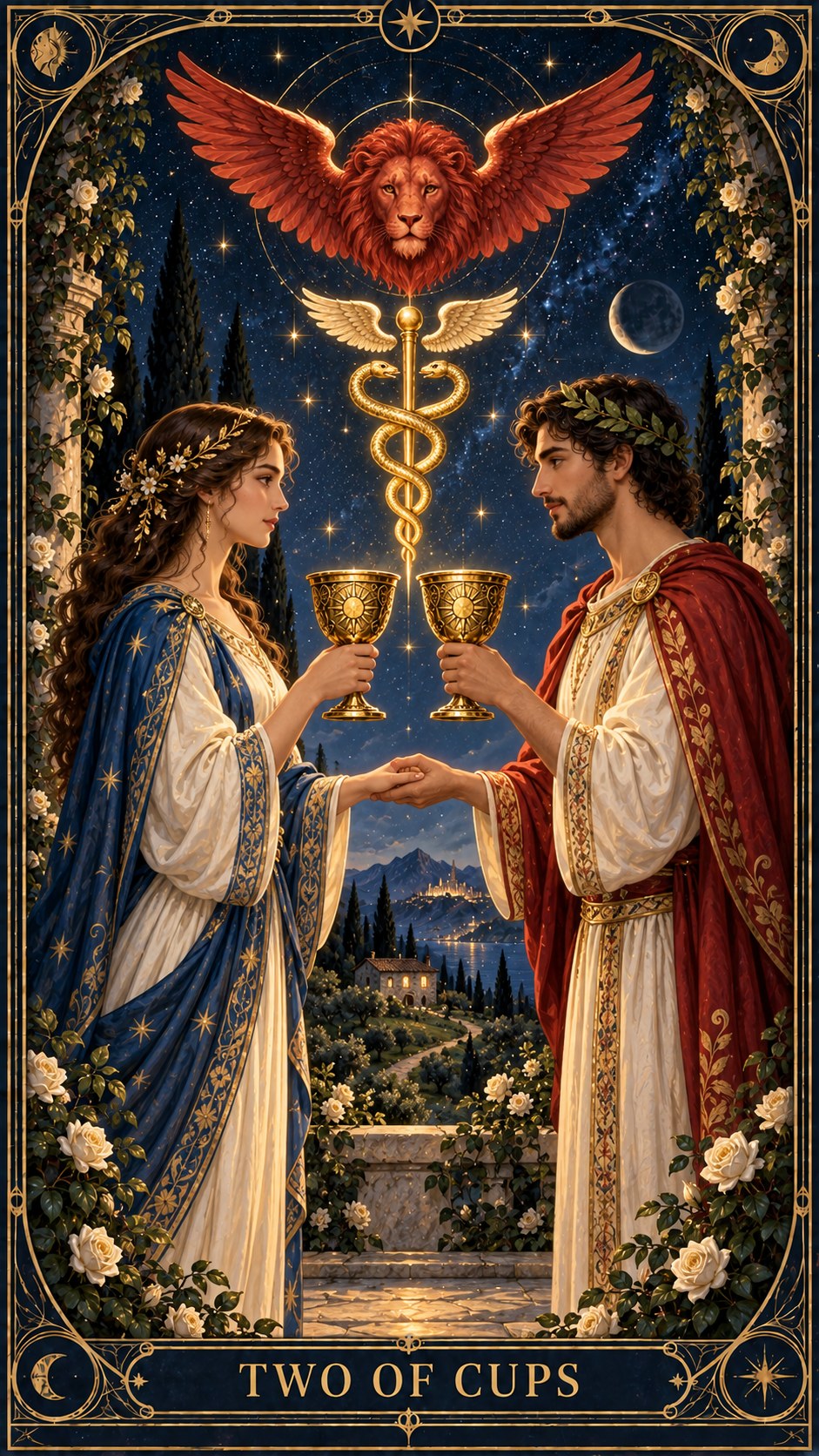
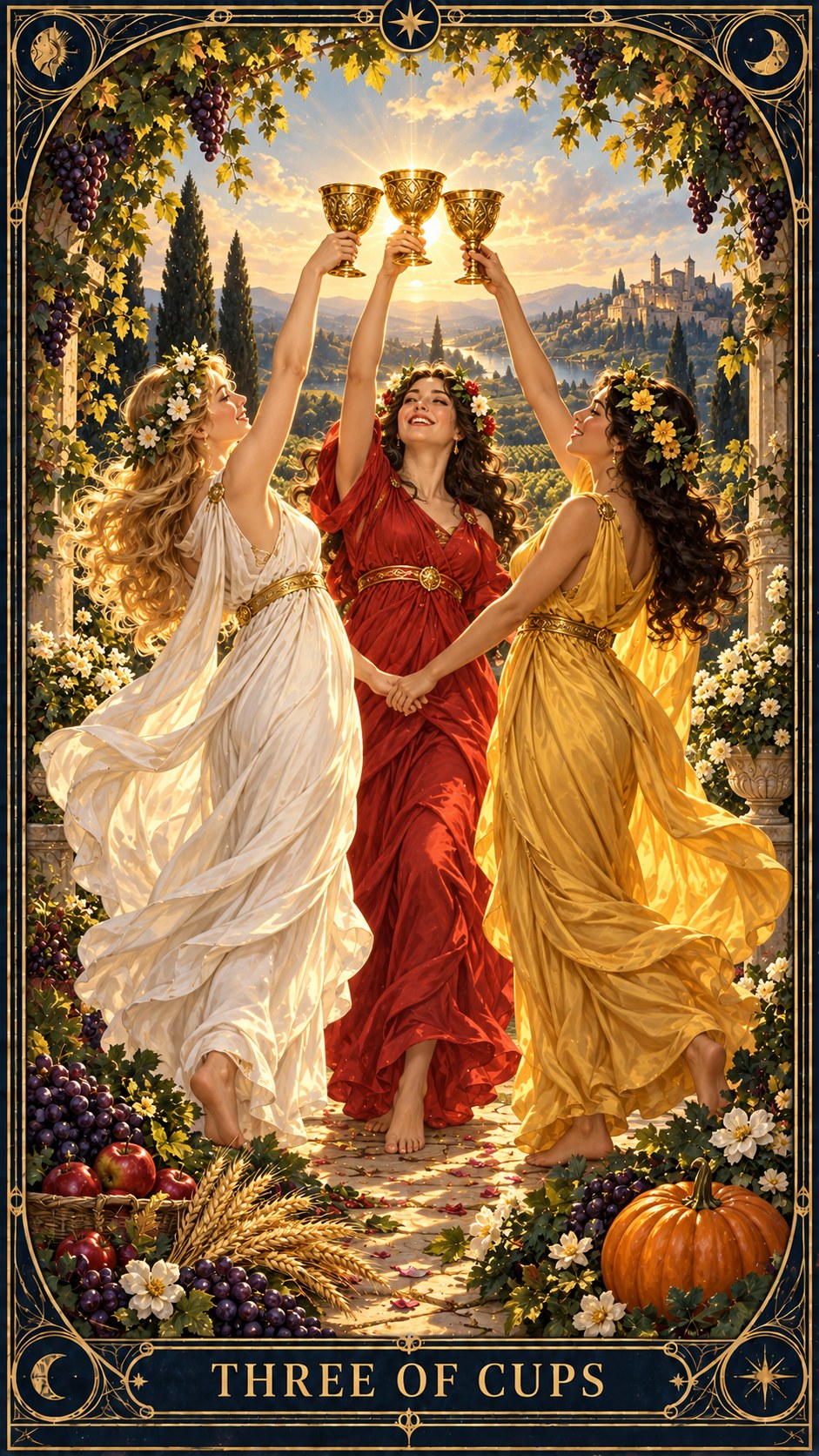
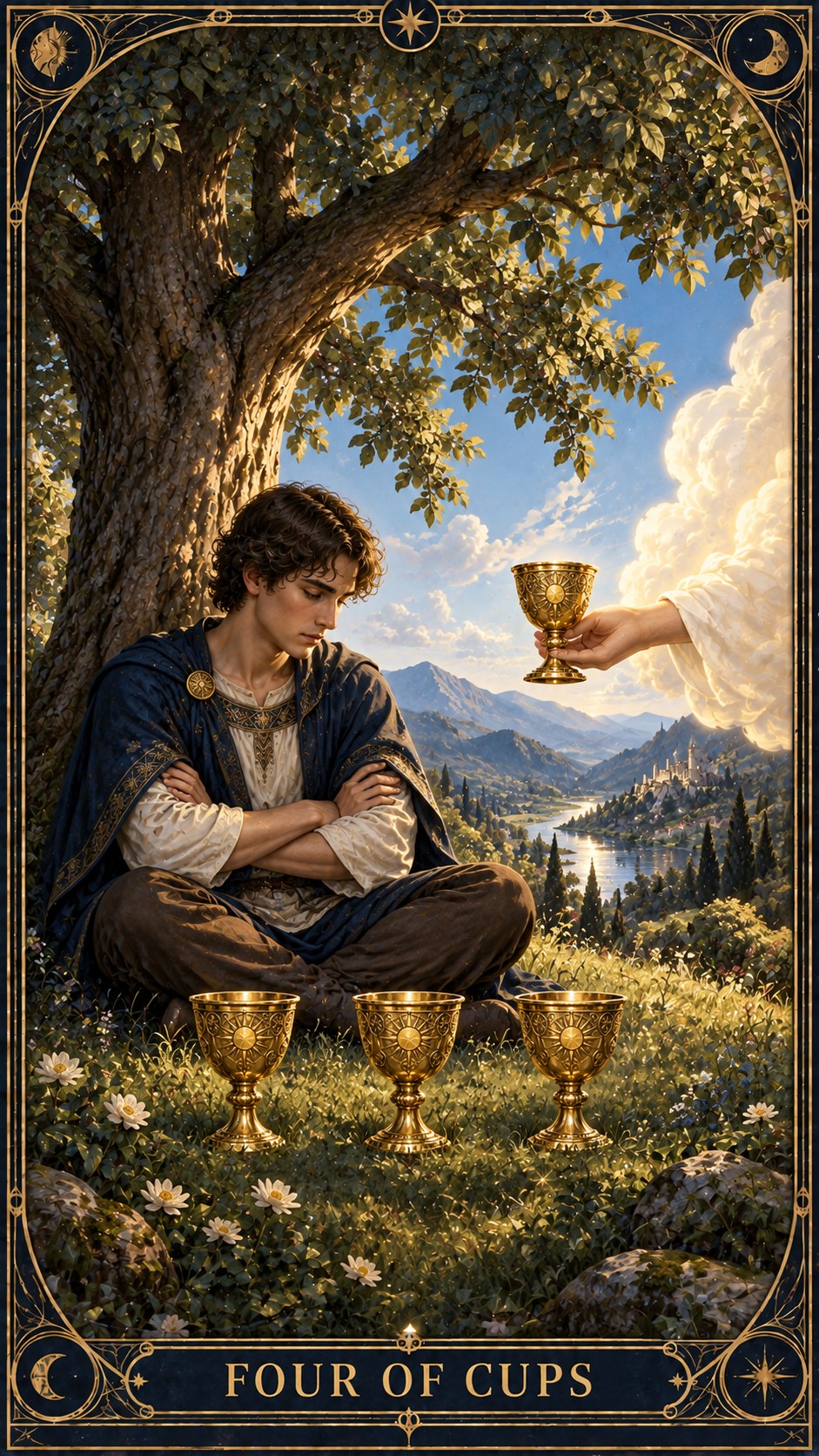
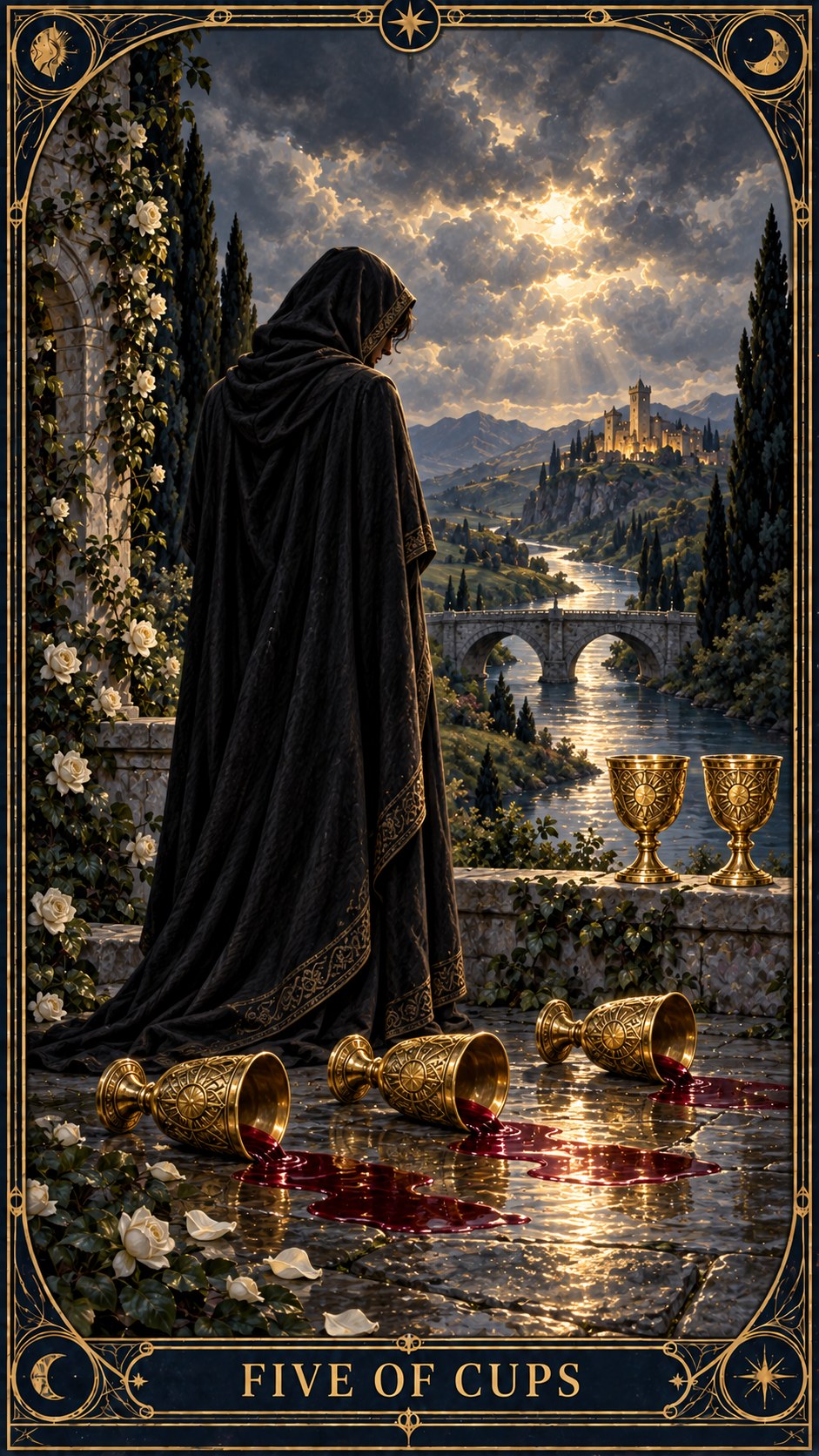
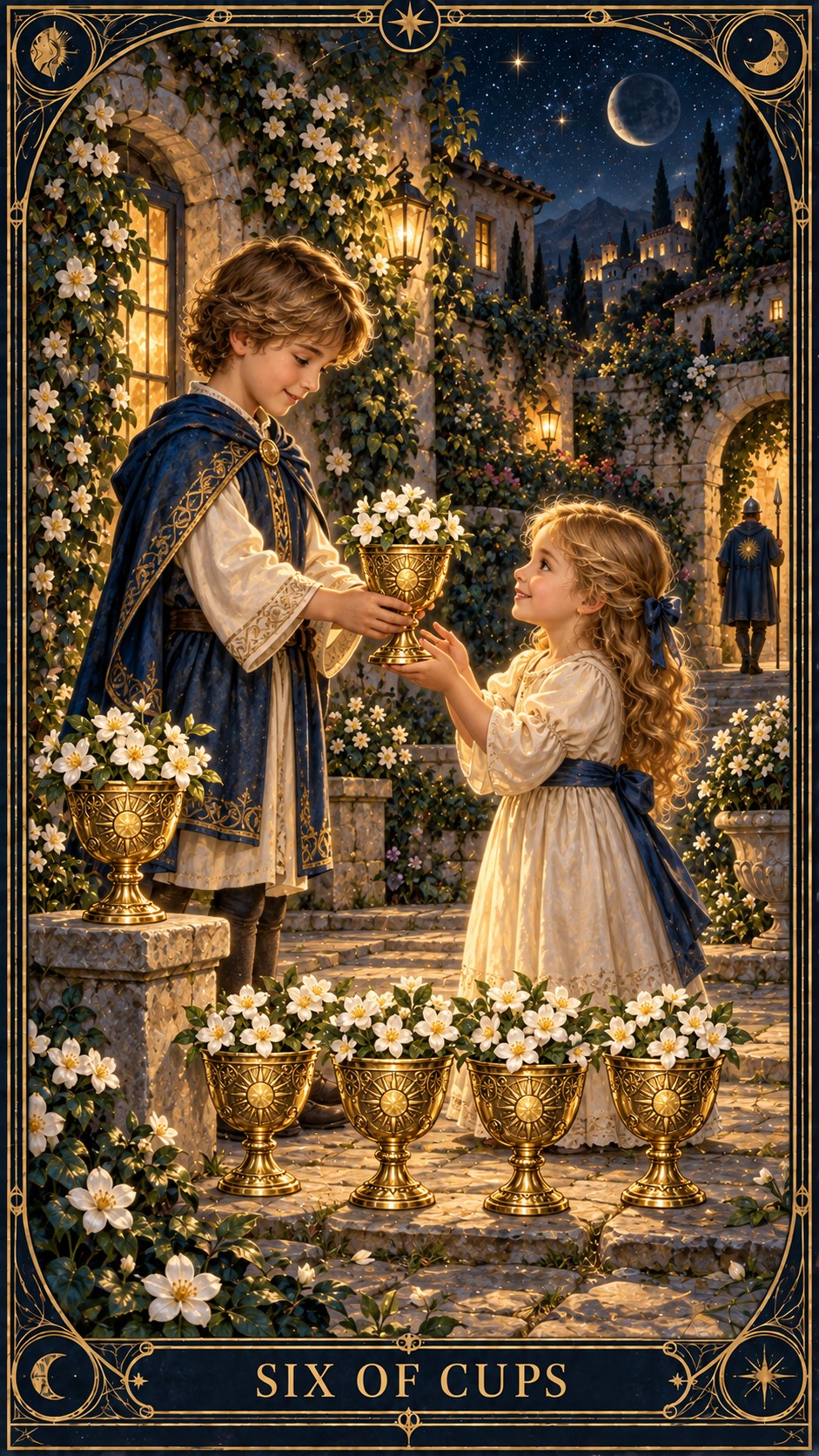
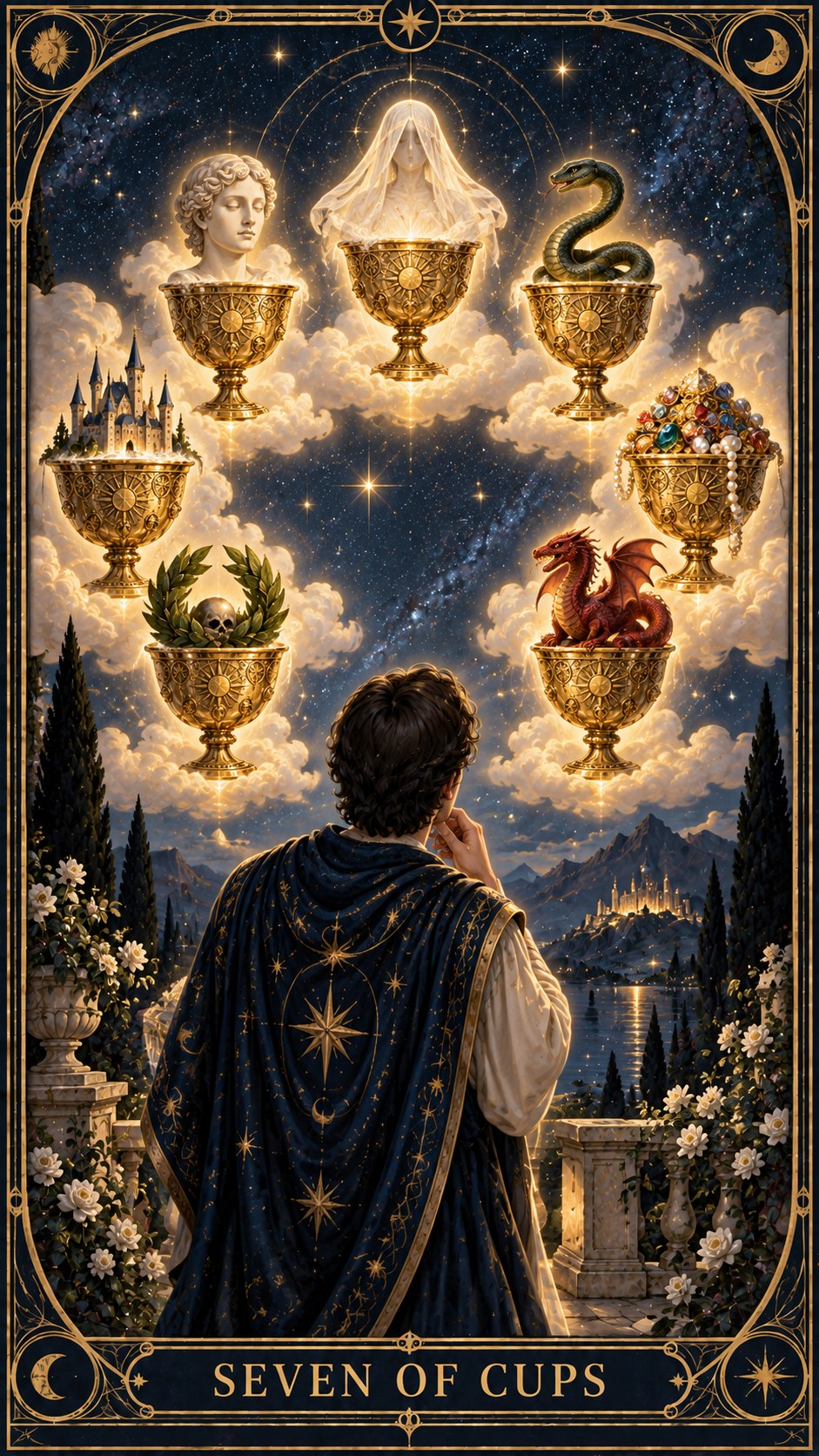
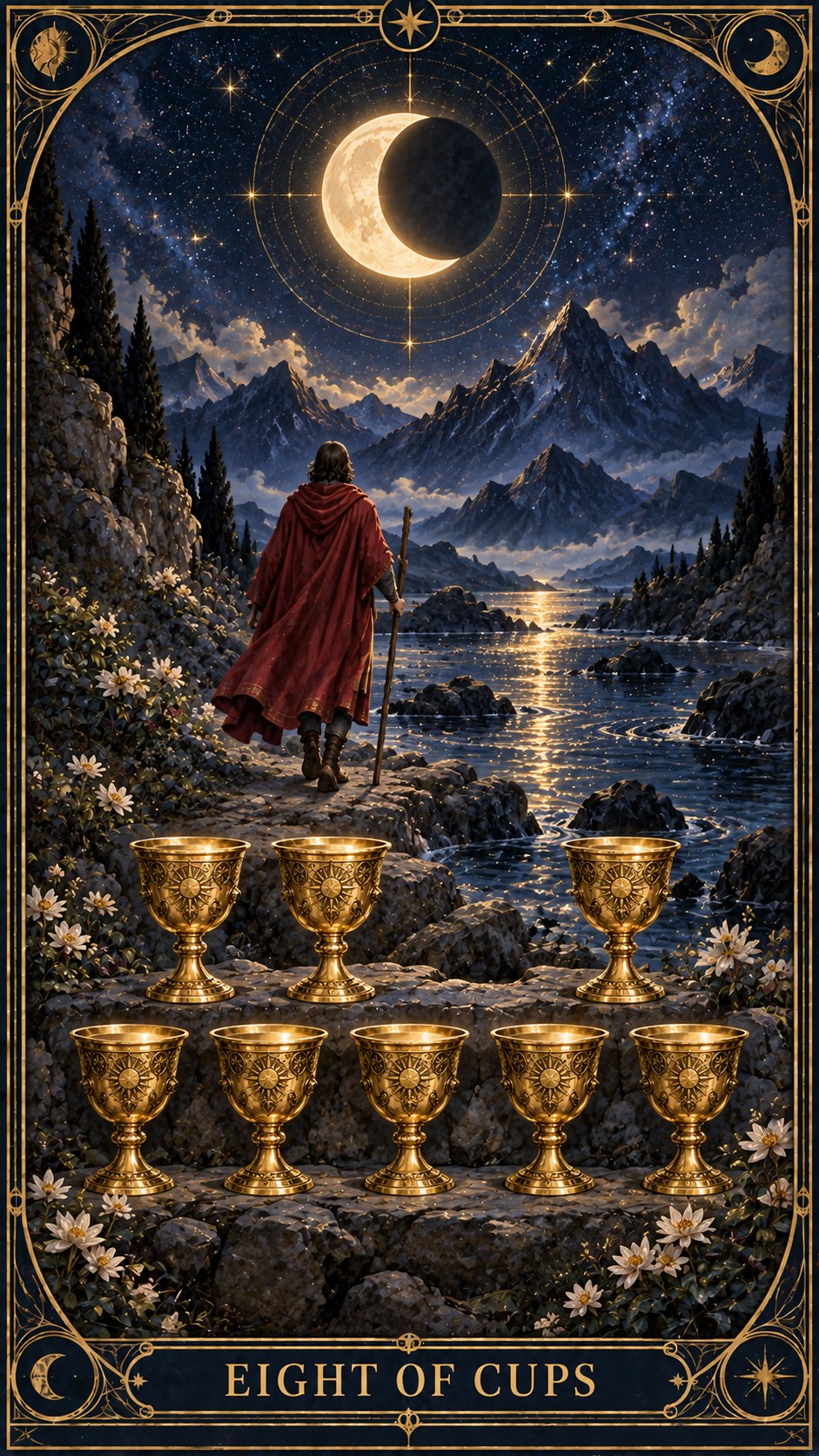
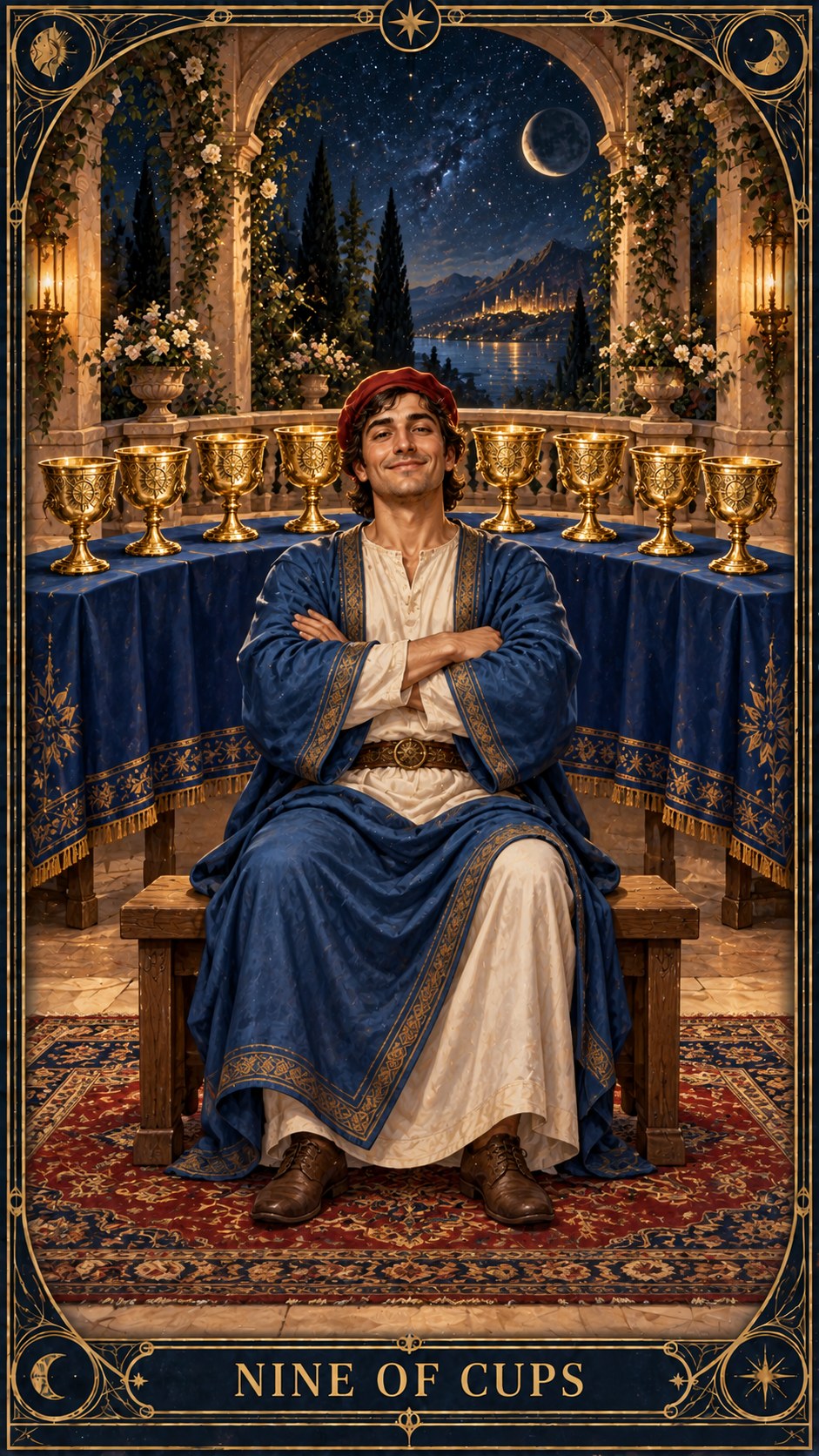
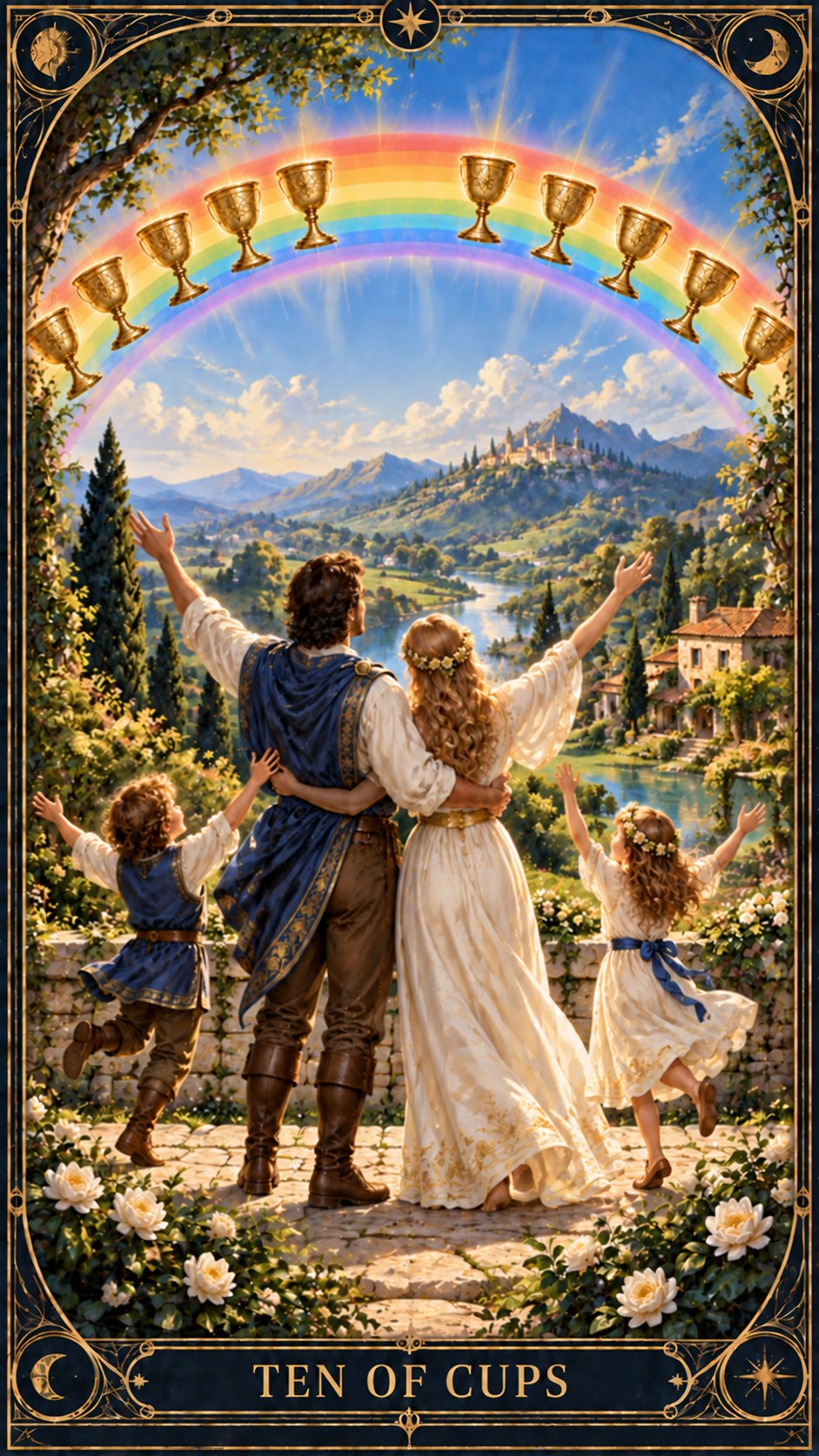
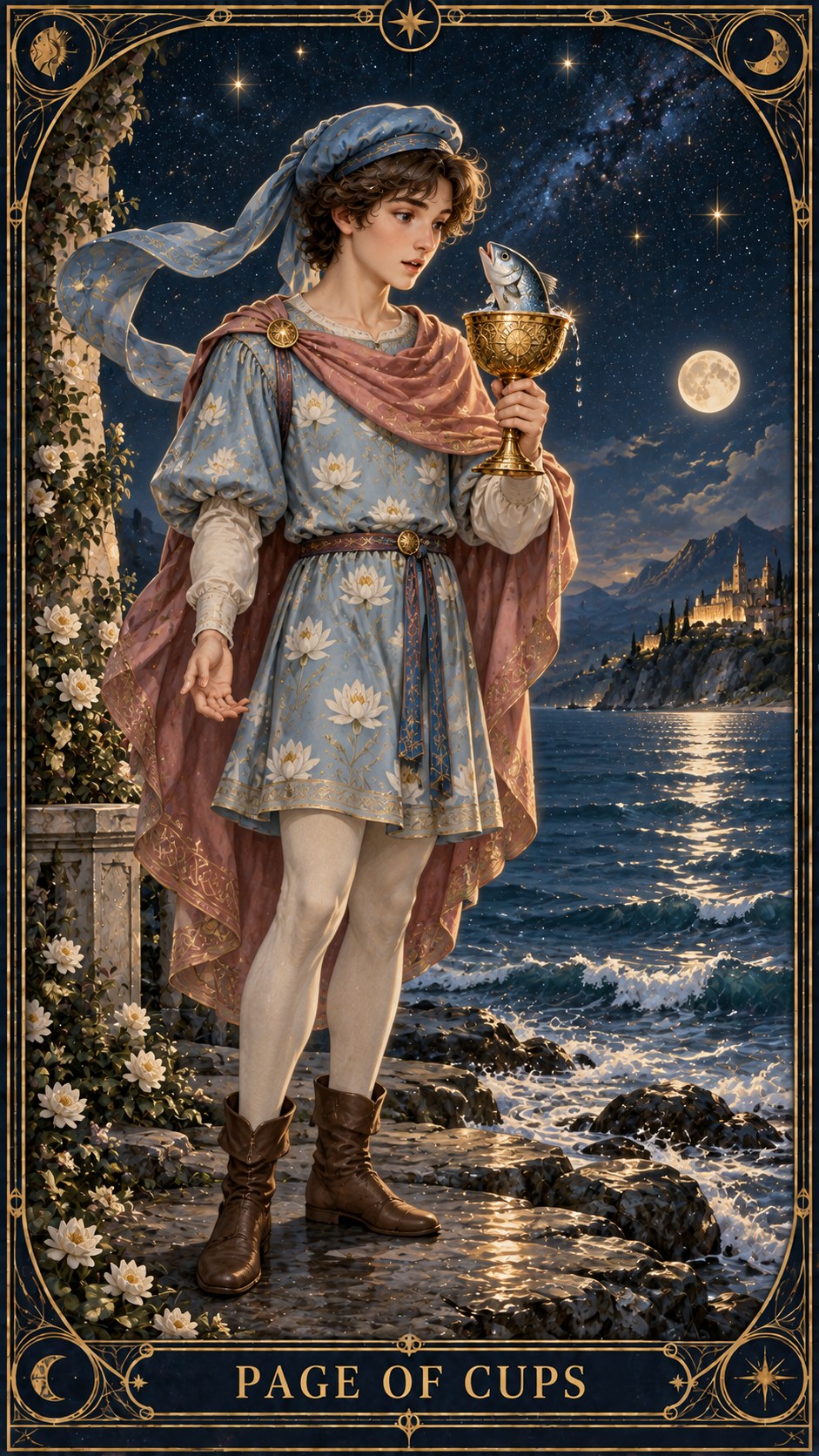
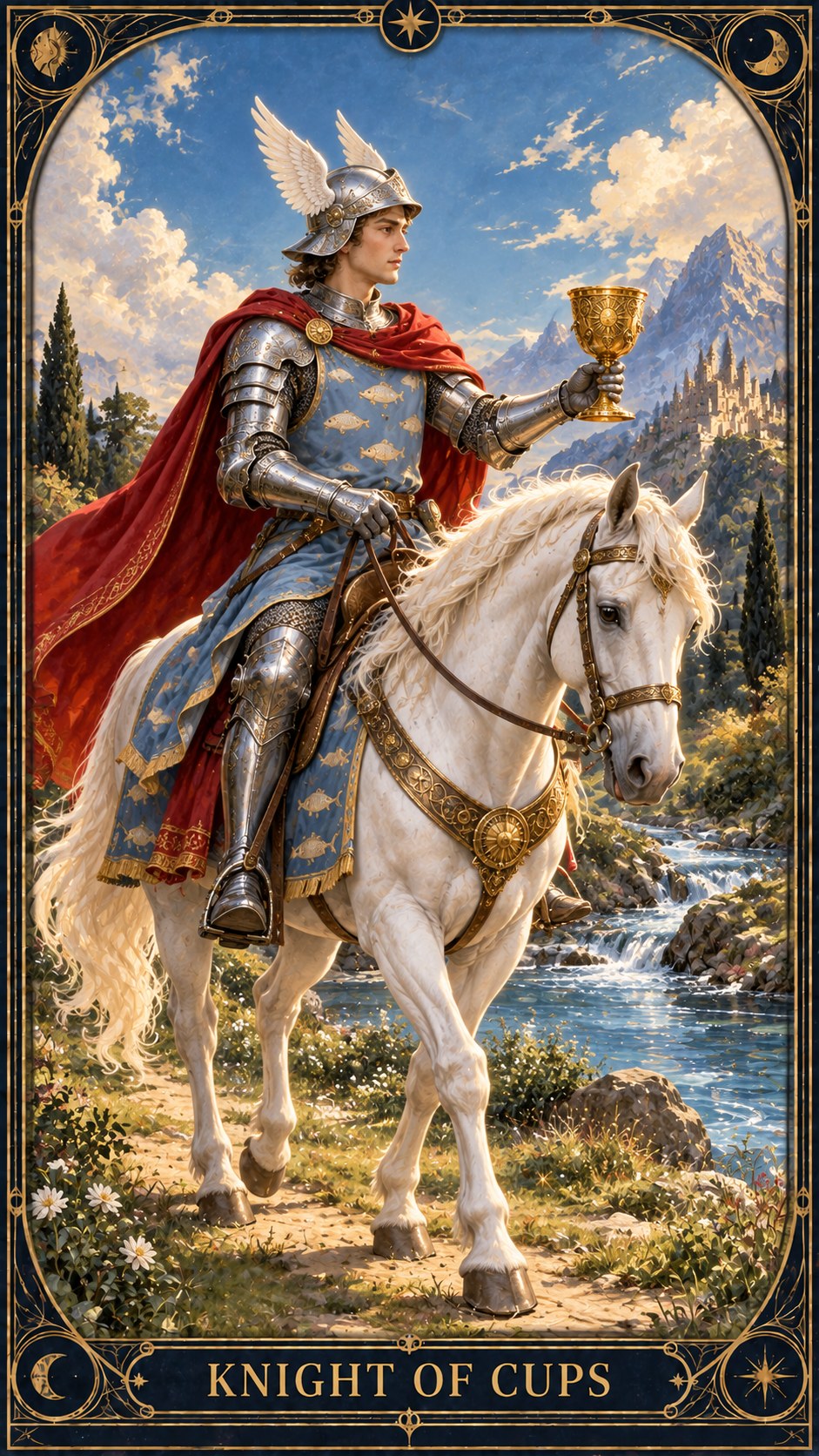
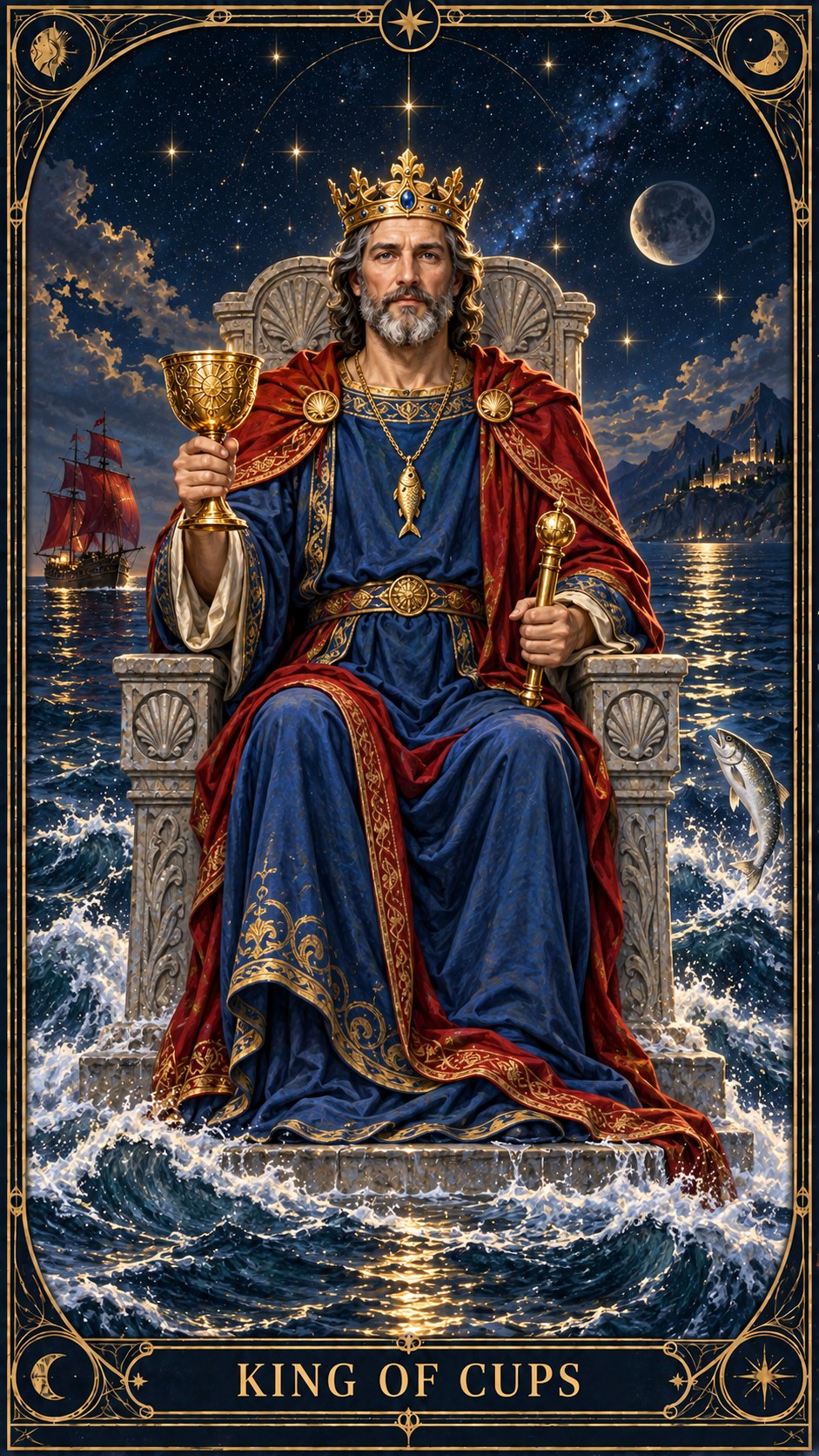
Cups
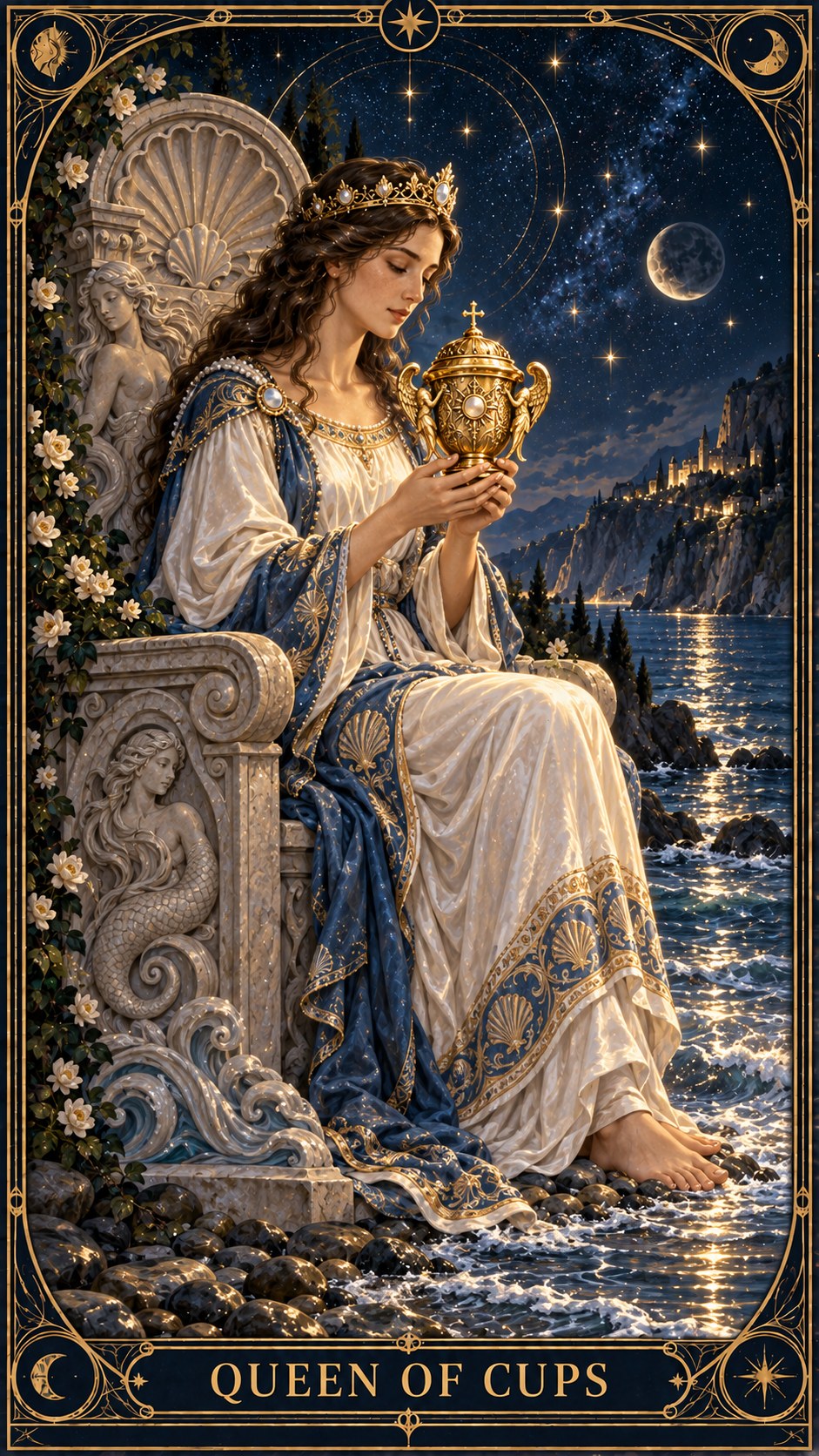
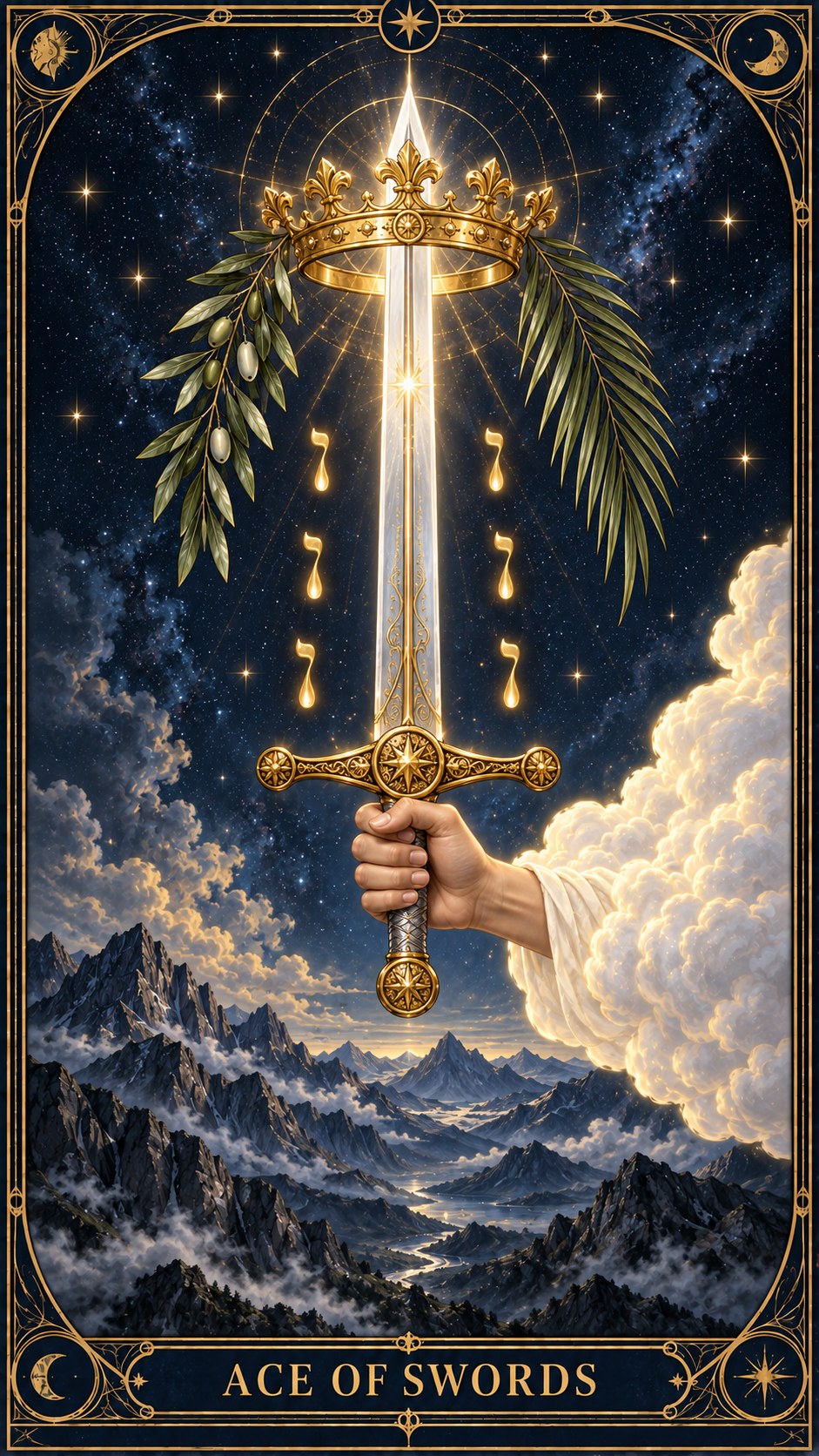
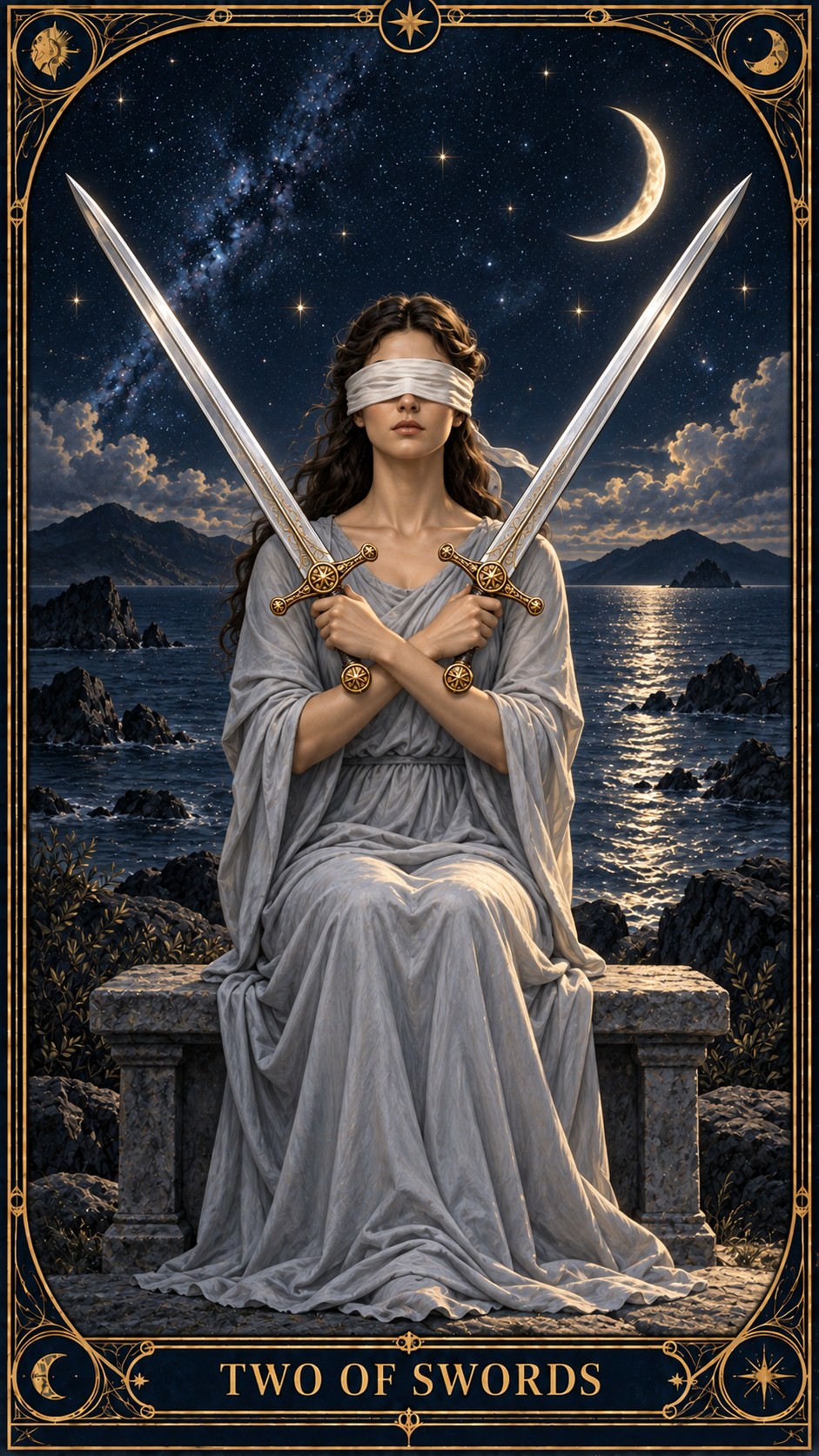
Swords
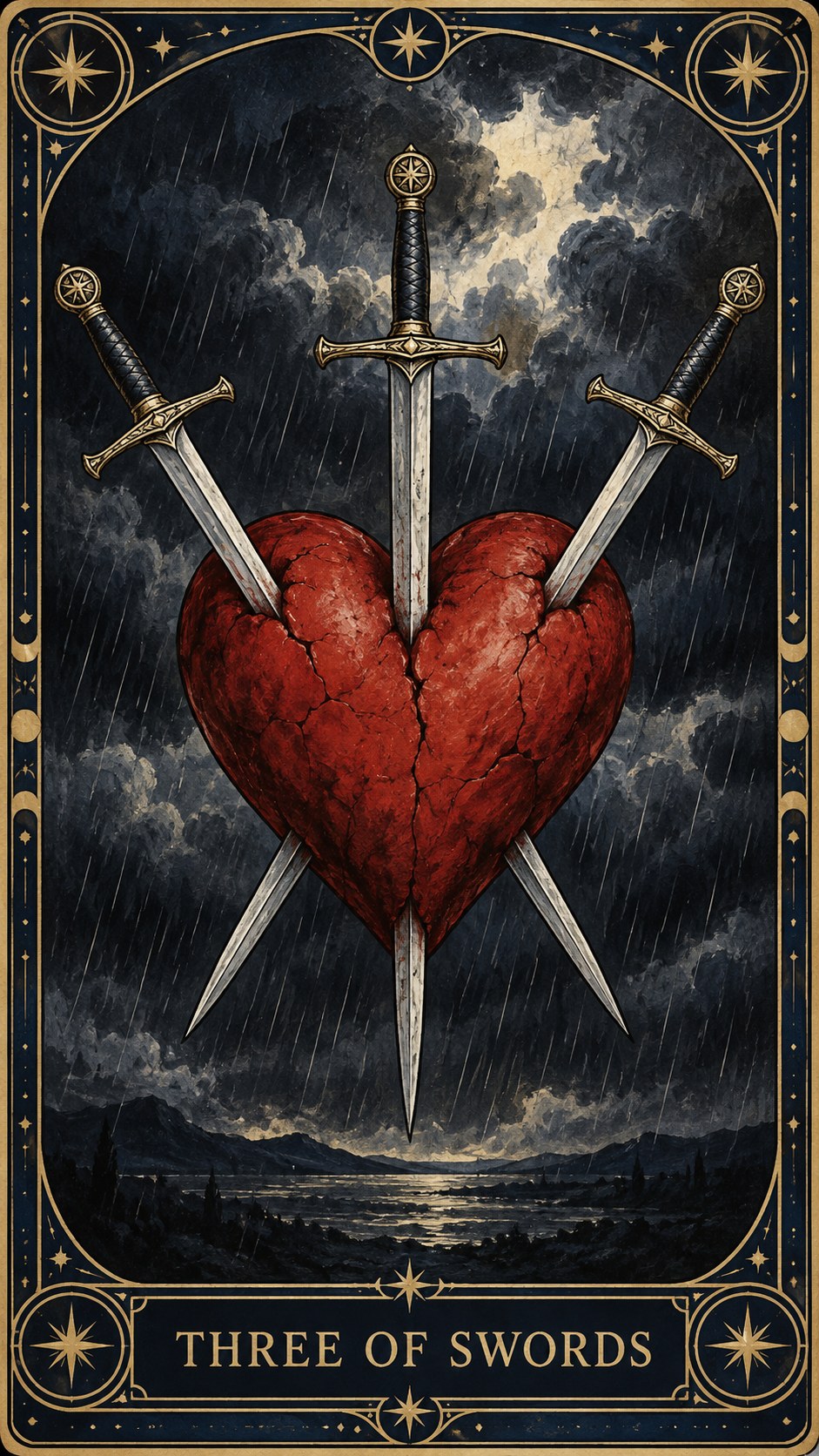
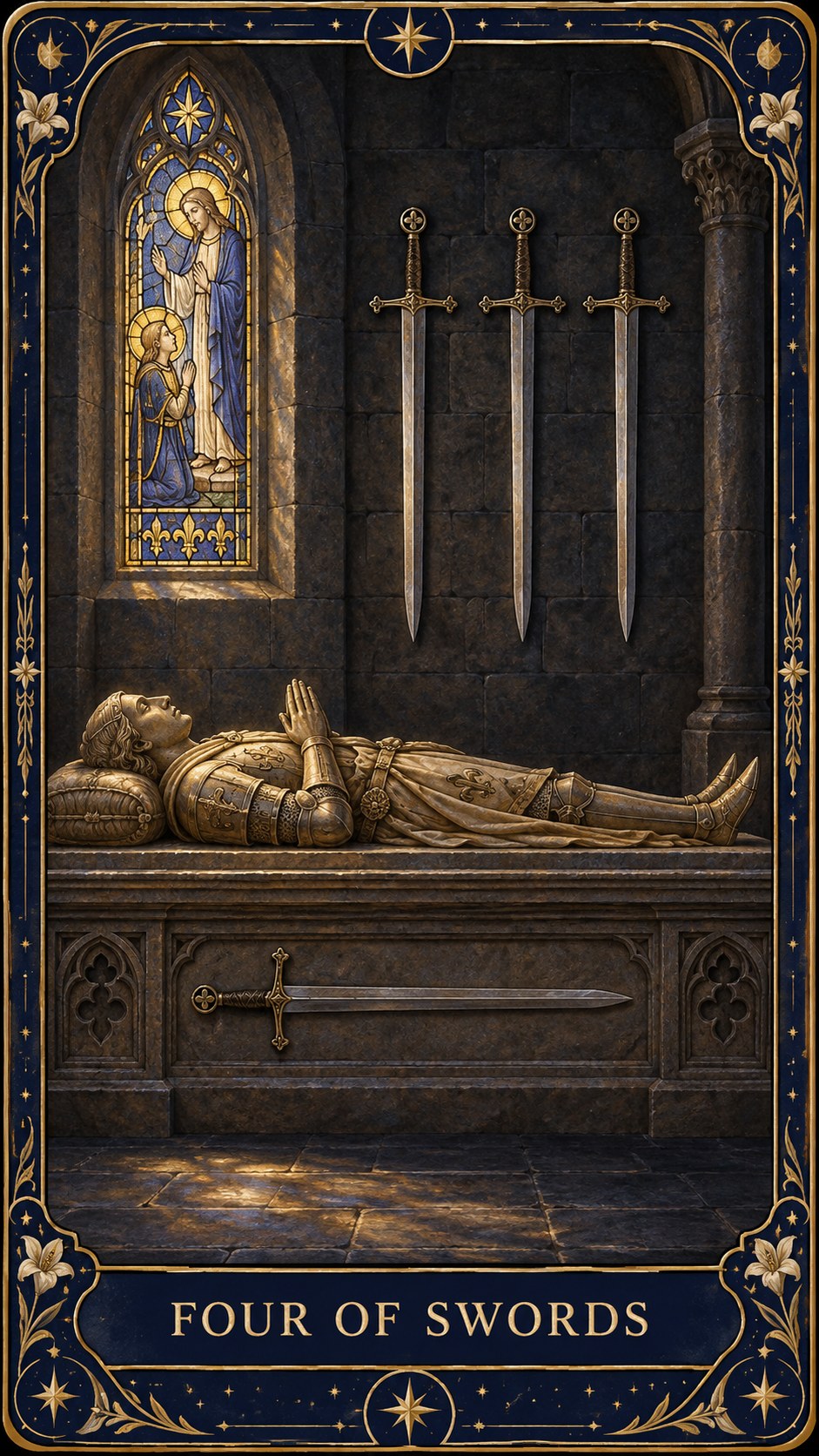
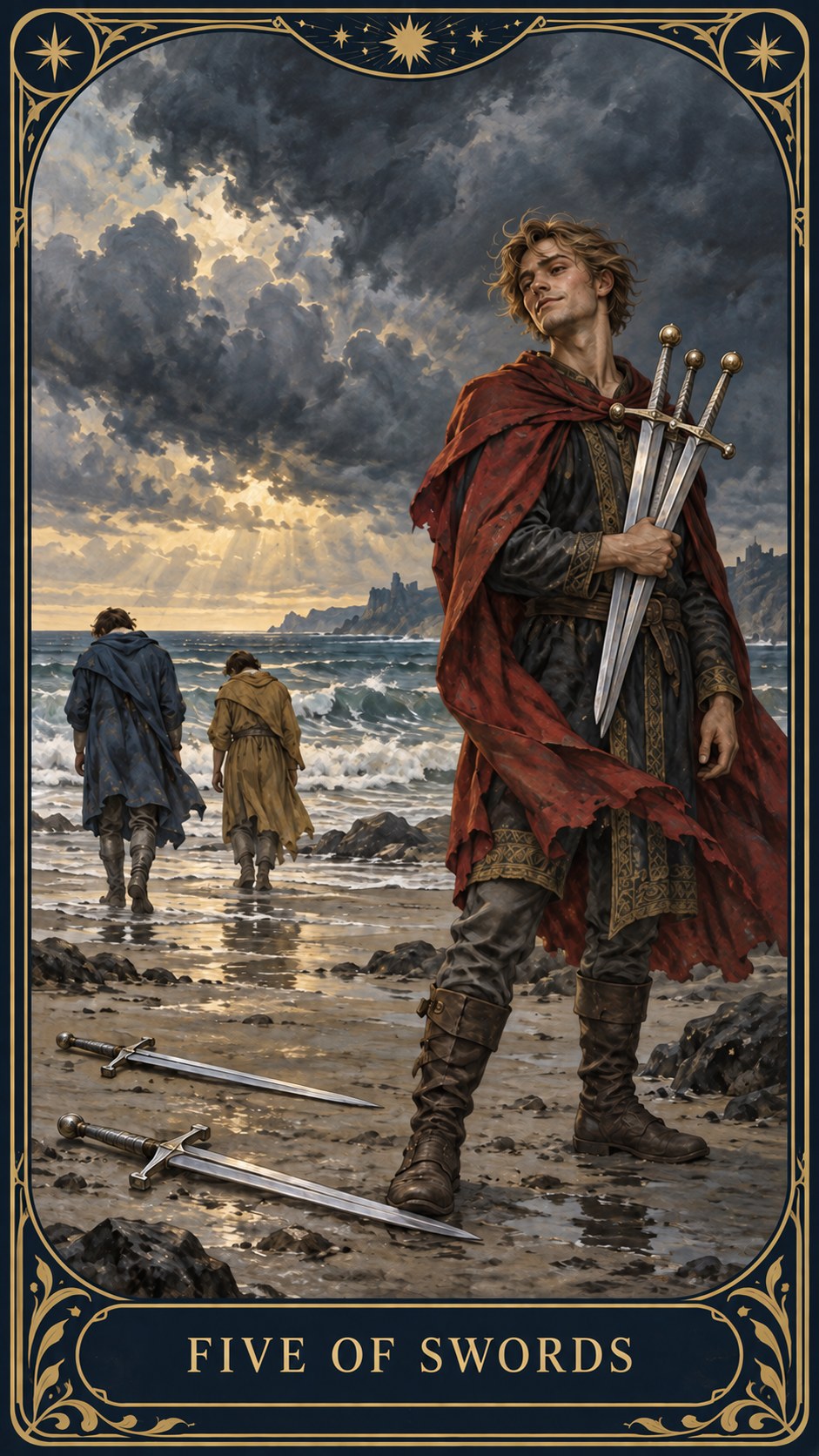
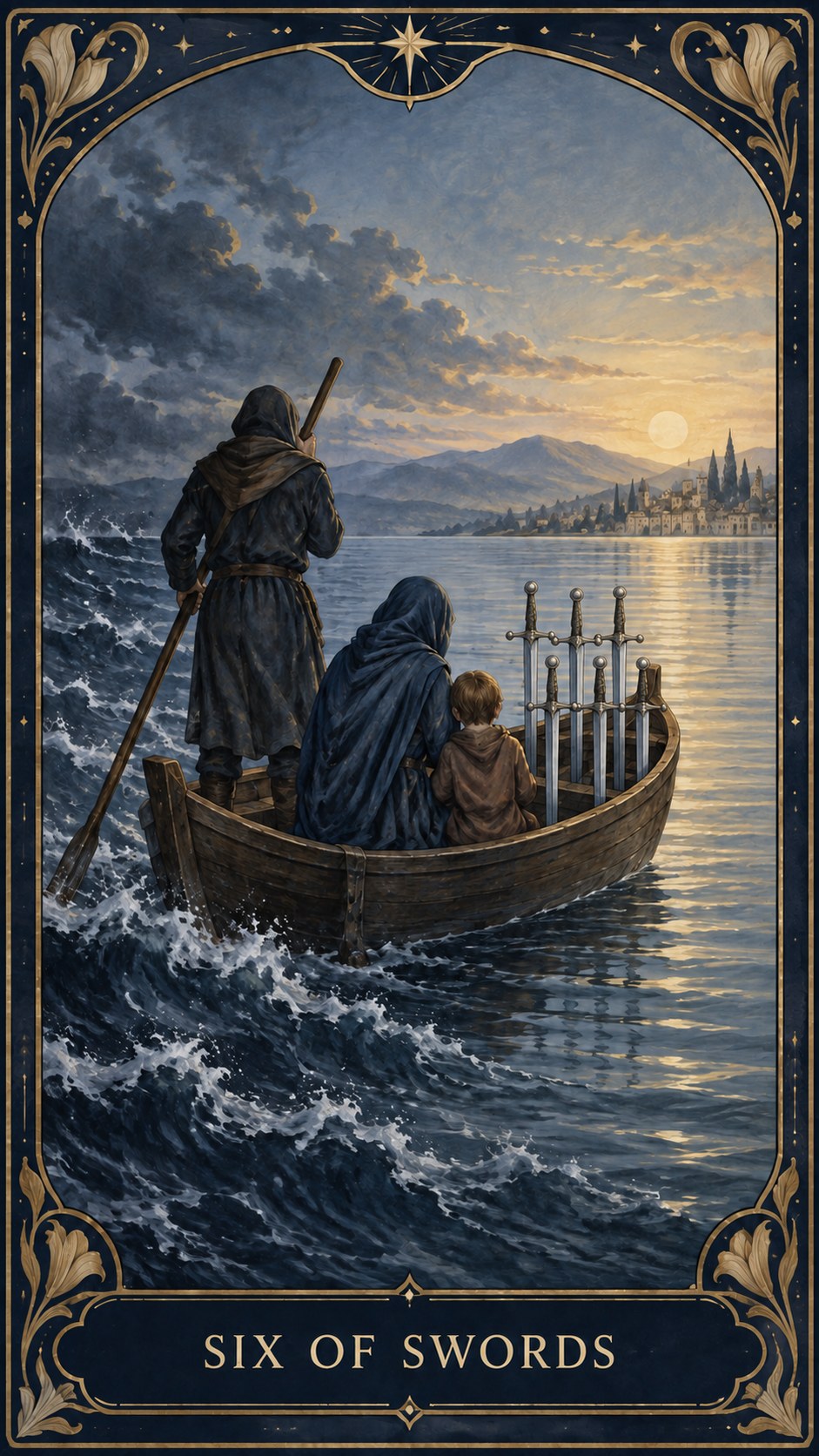
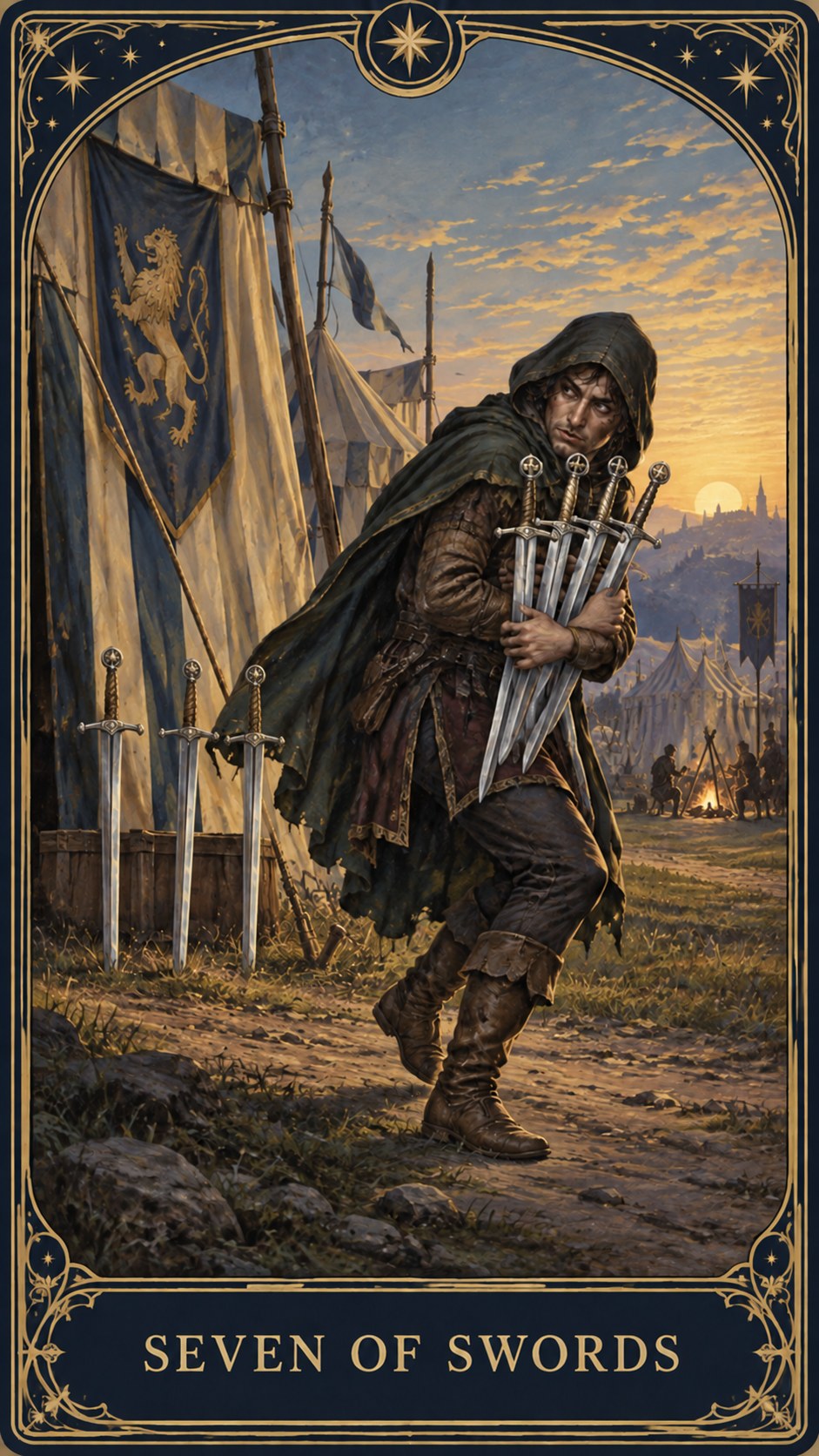
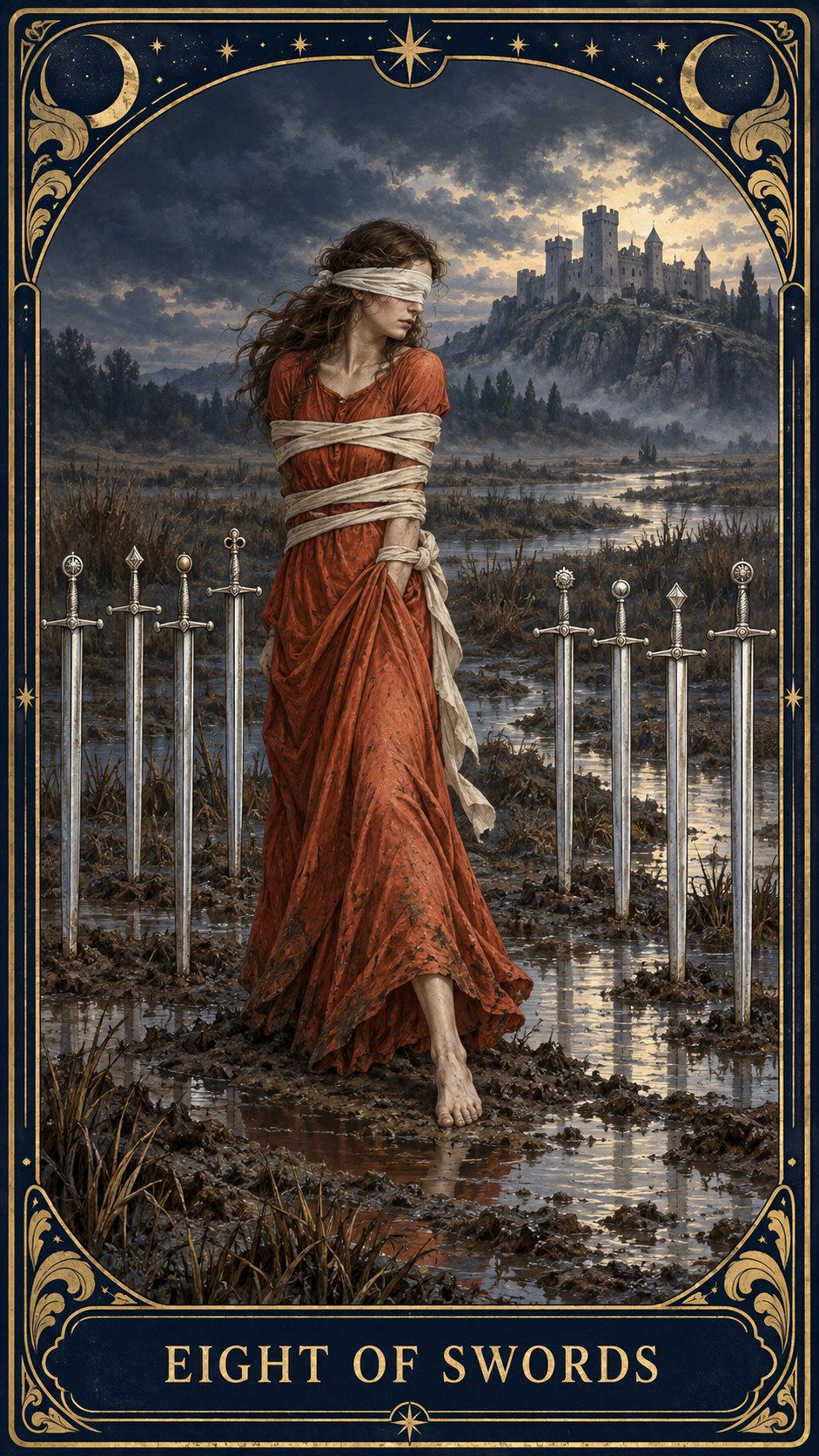
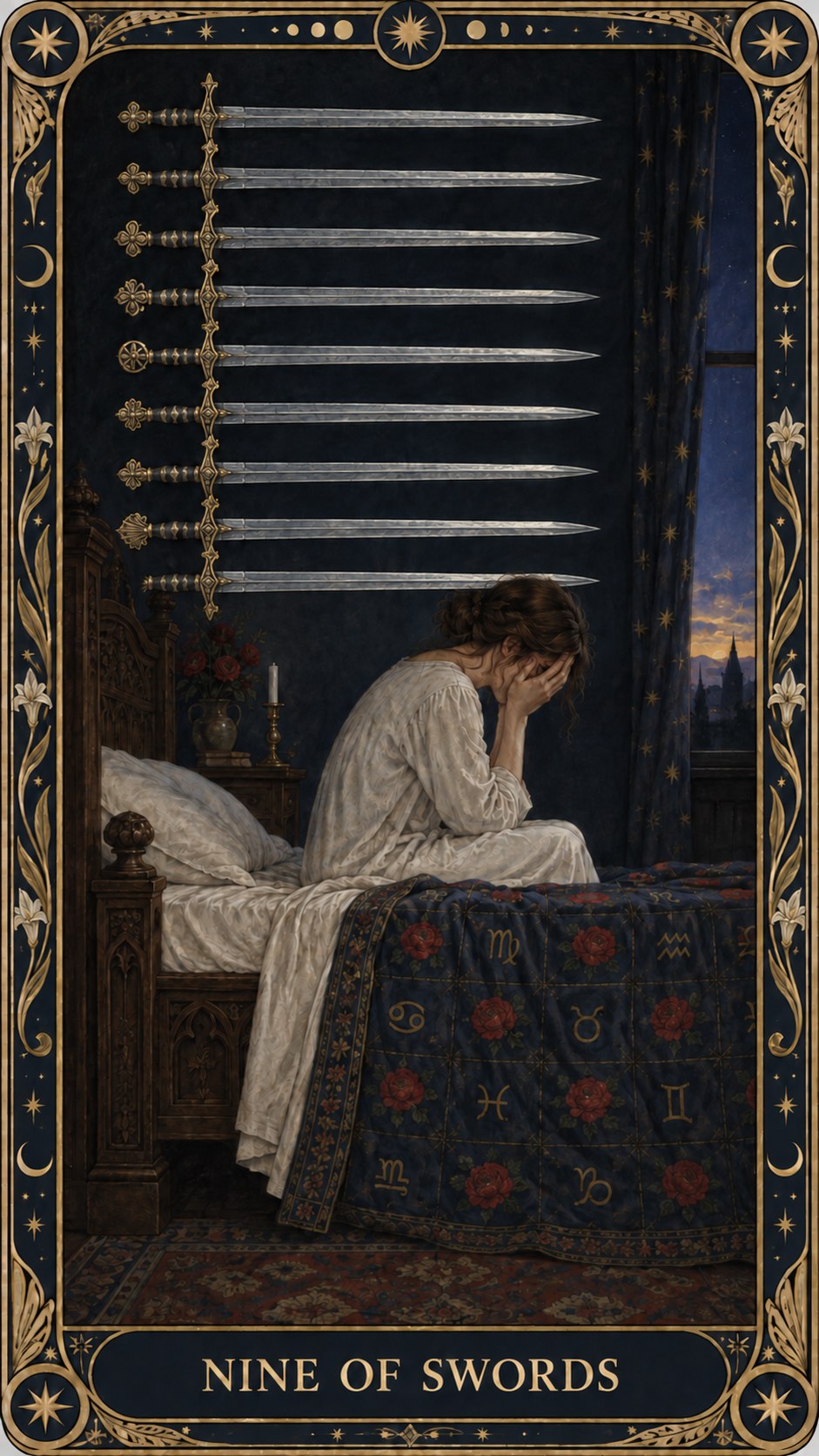
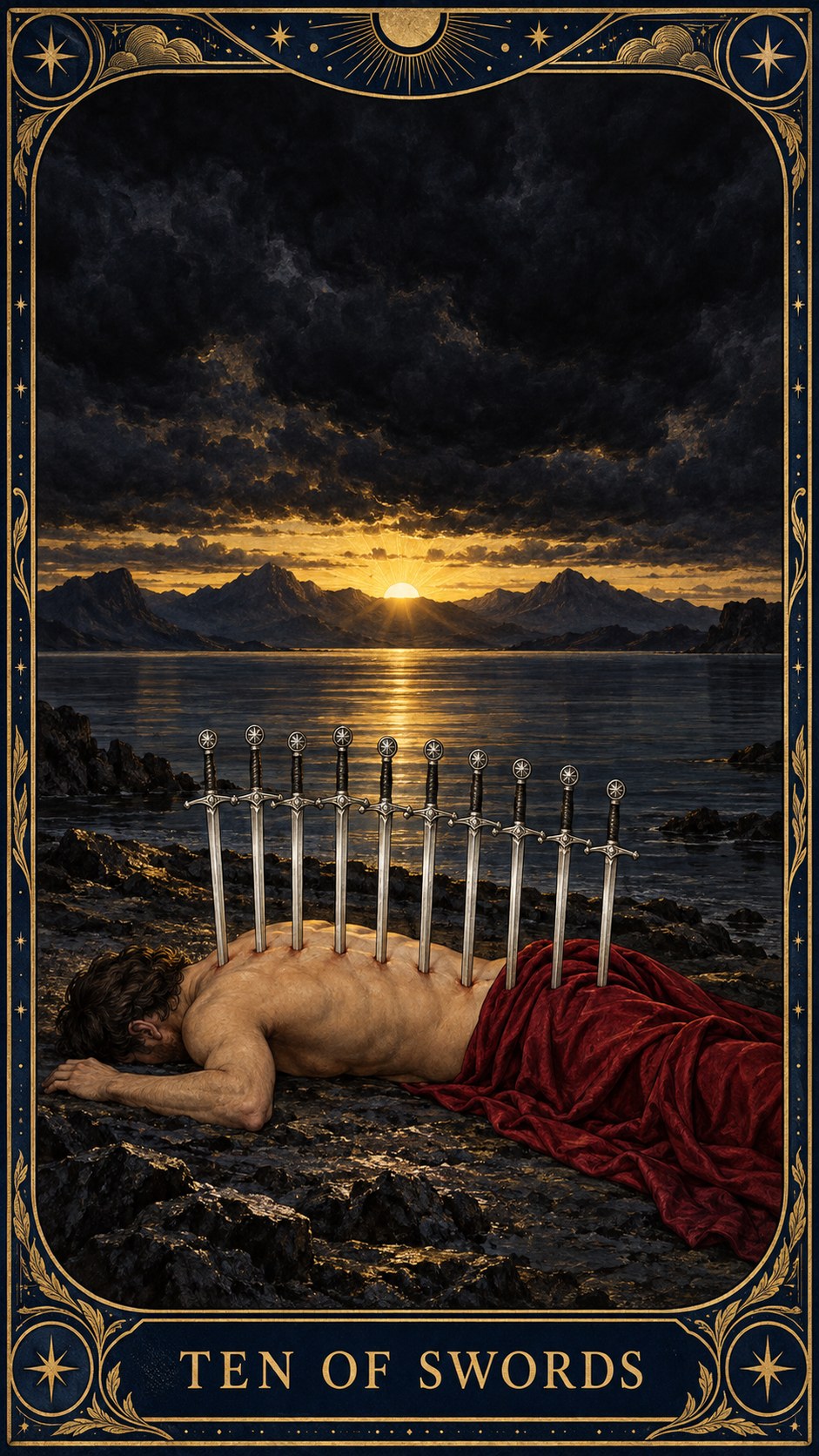
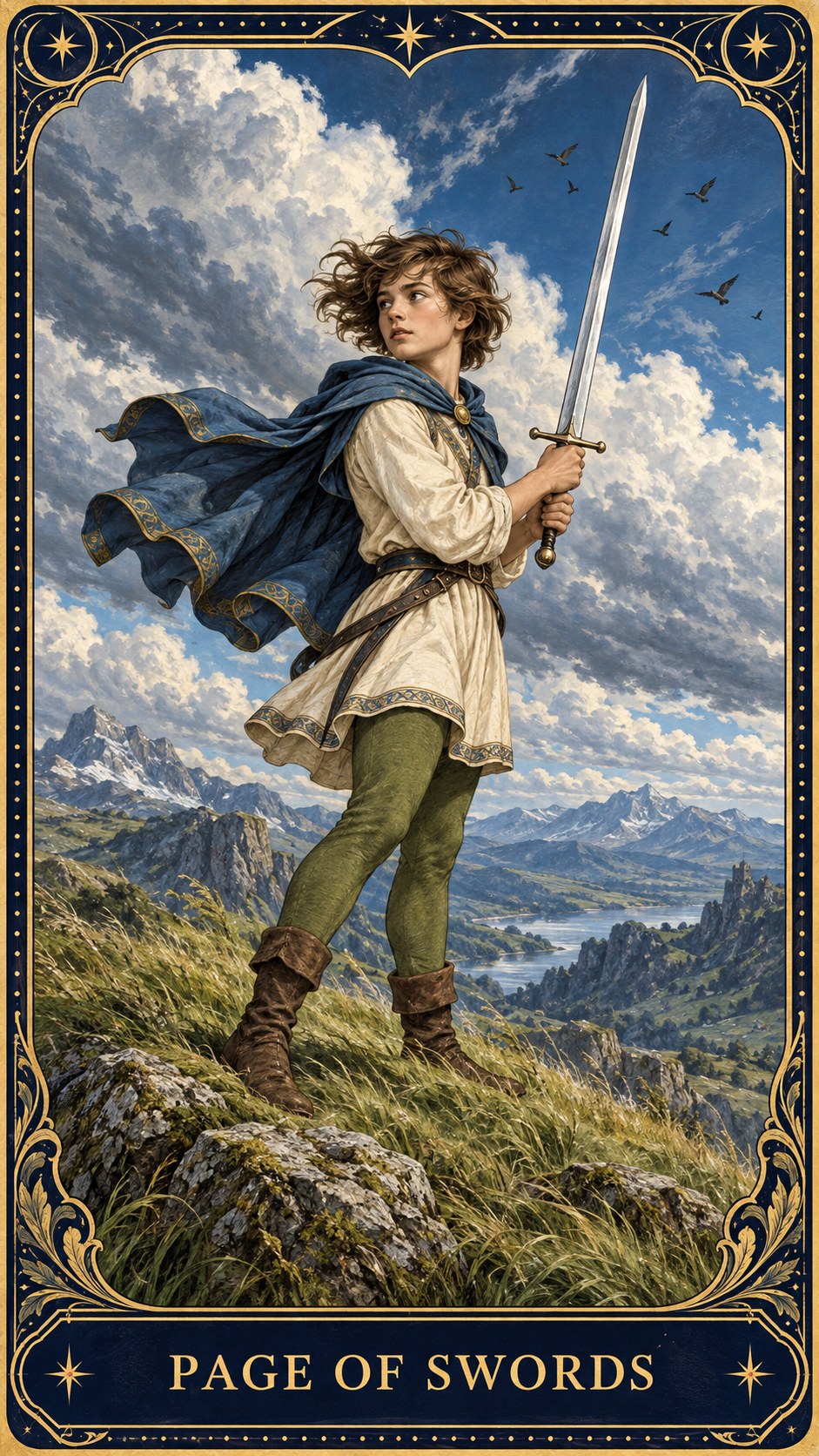
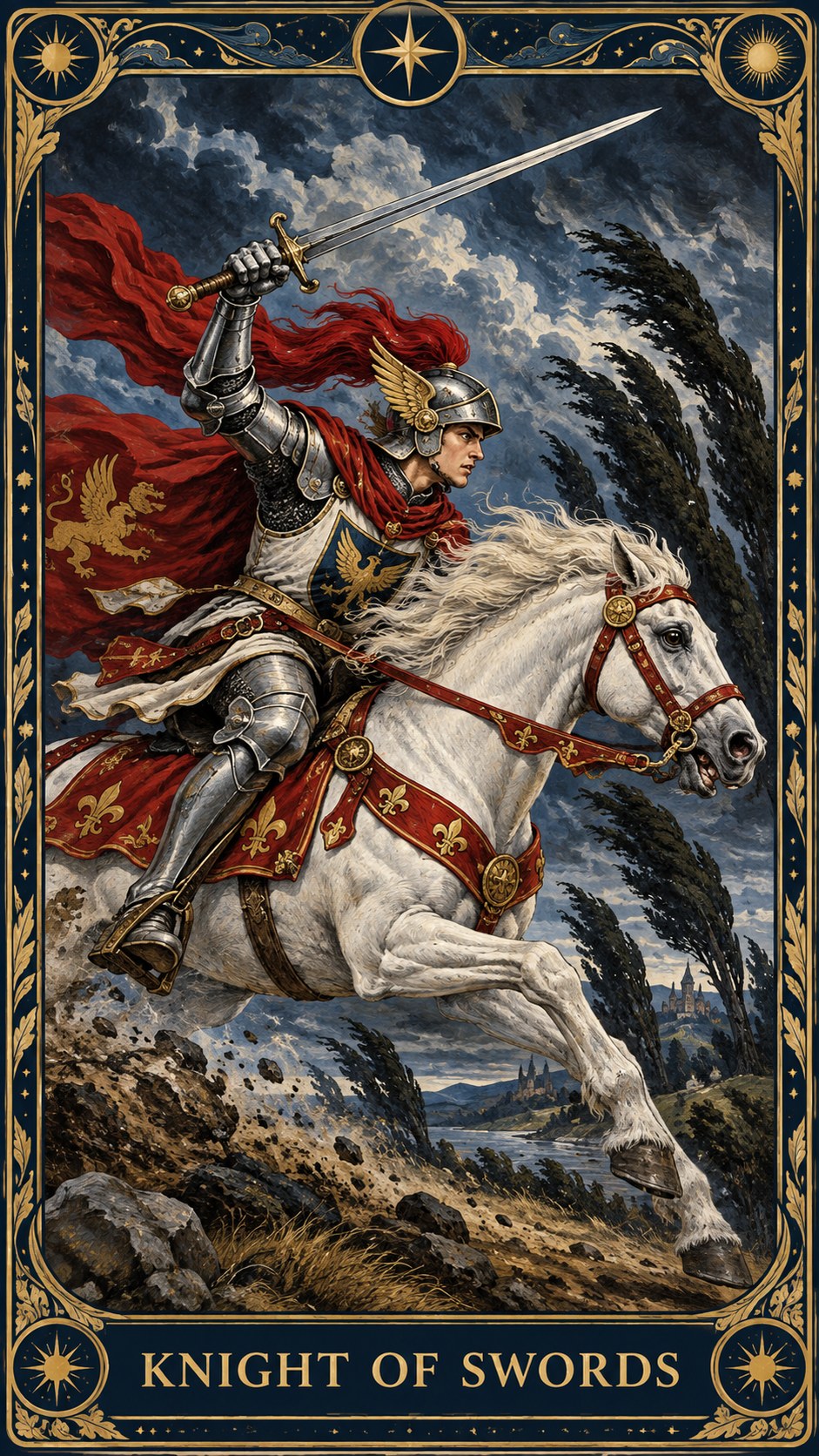
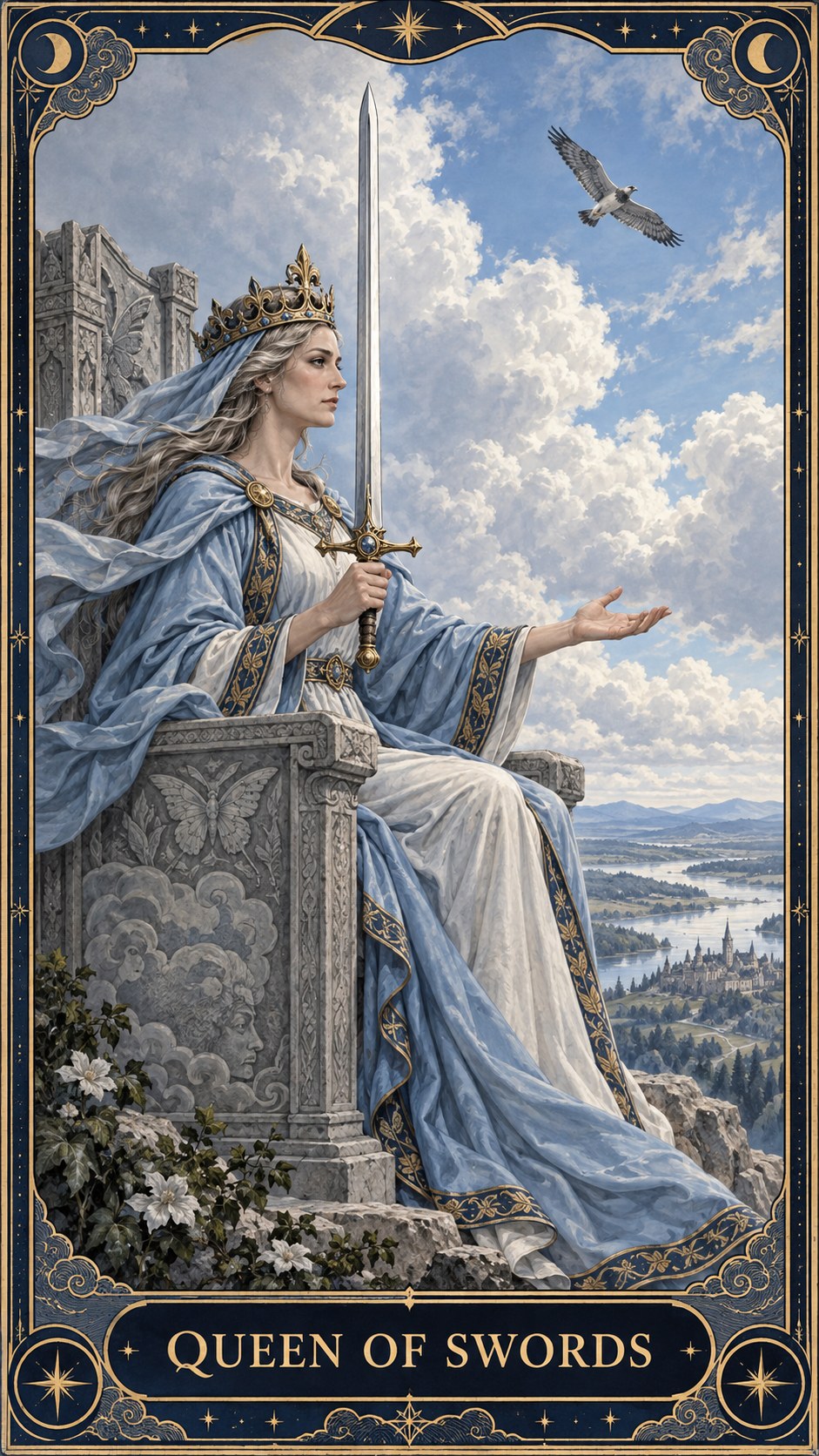
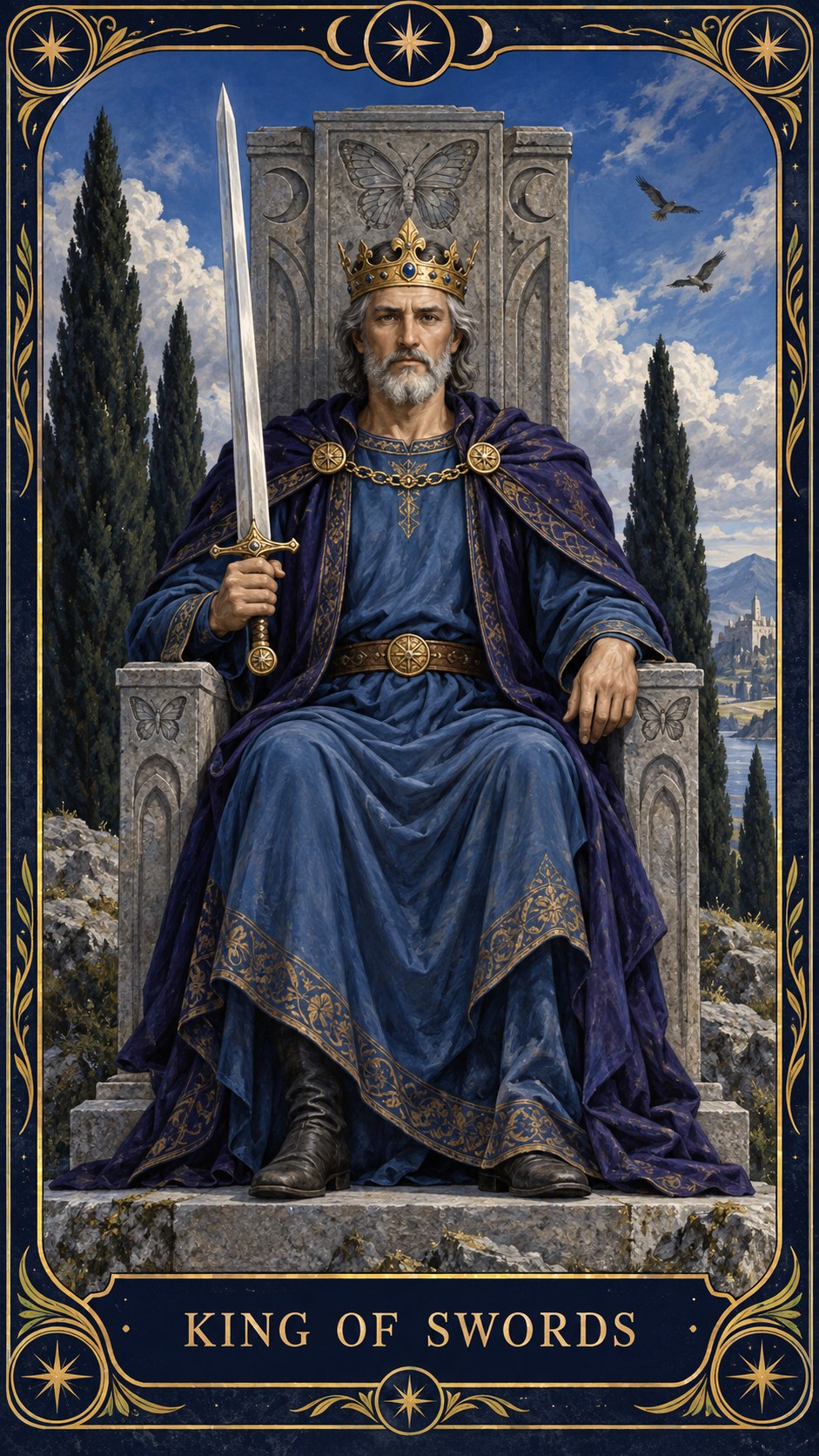
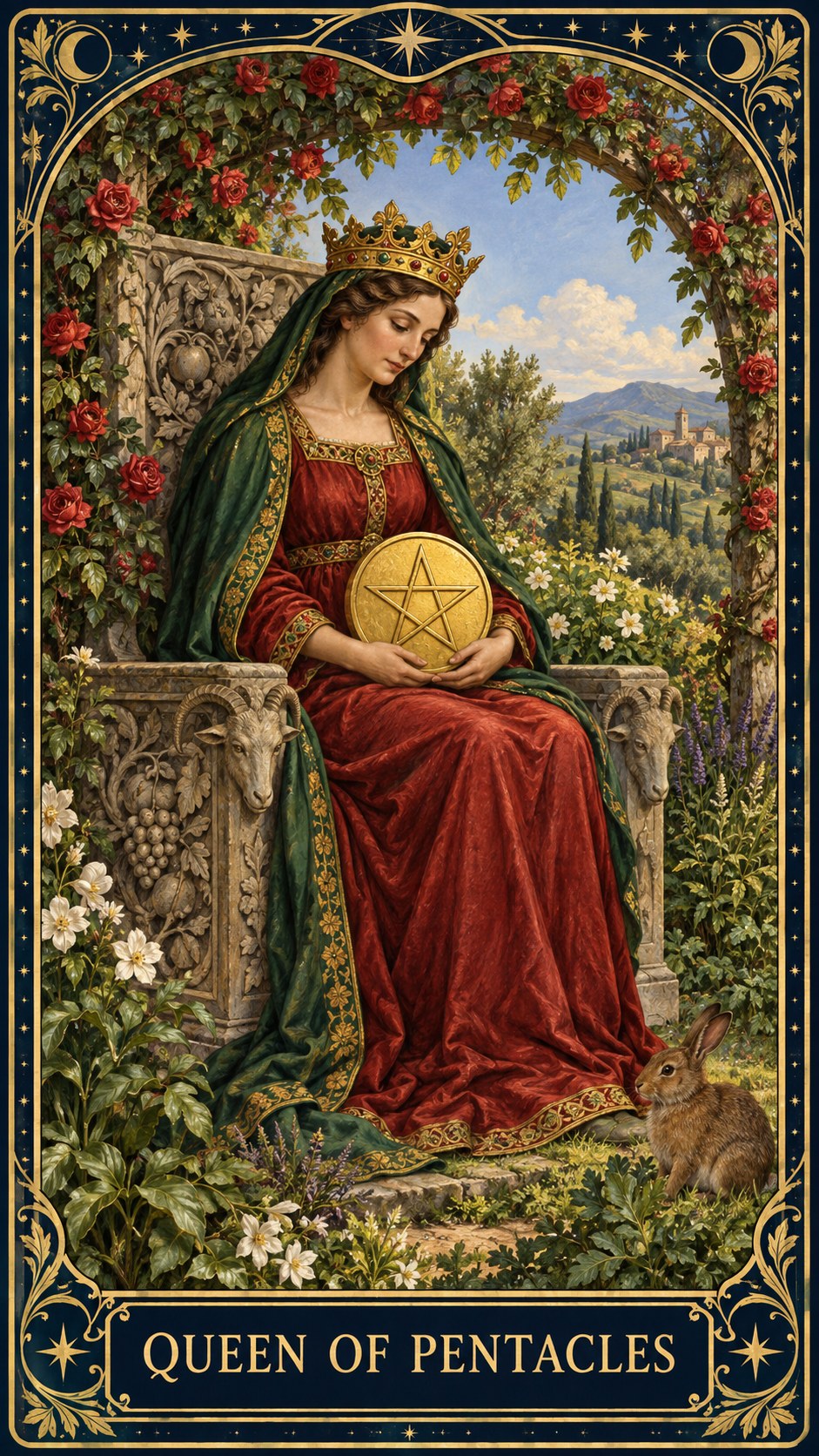
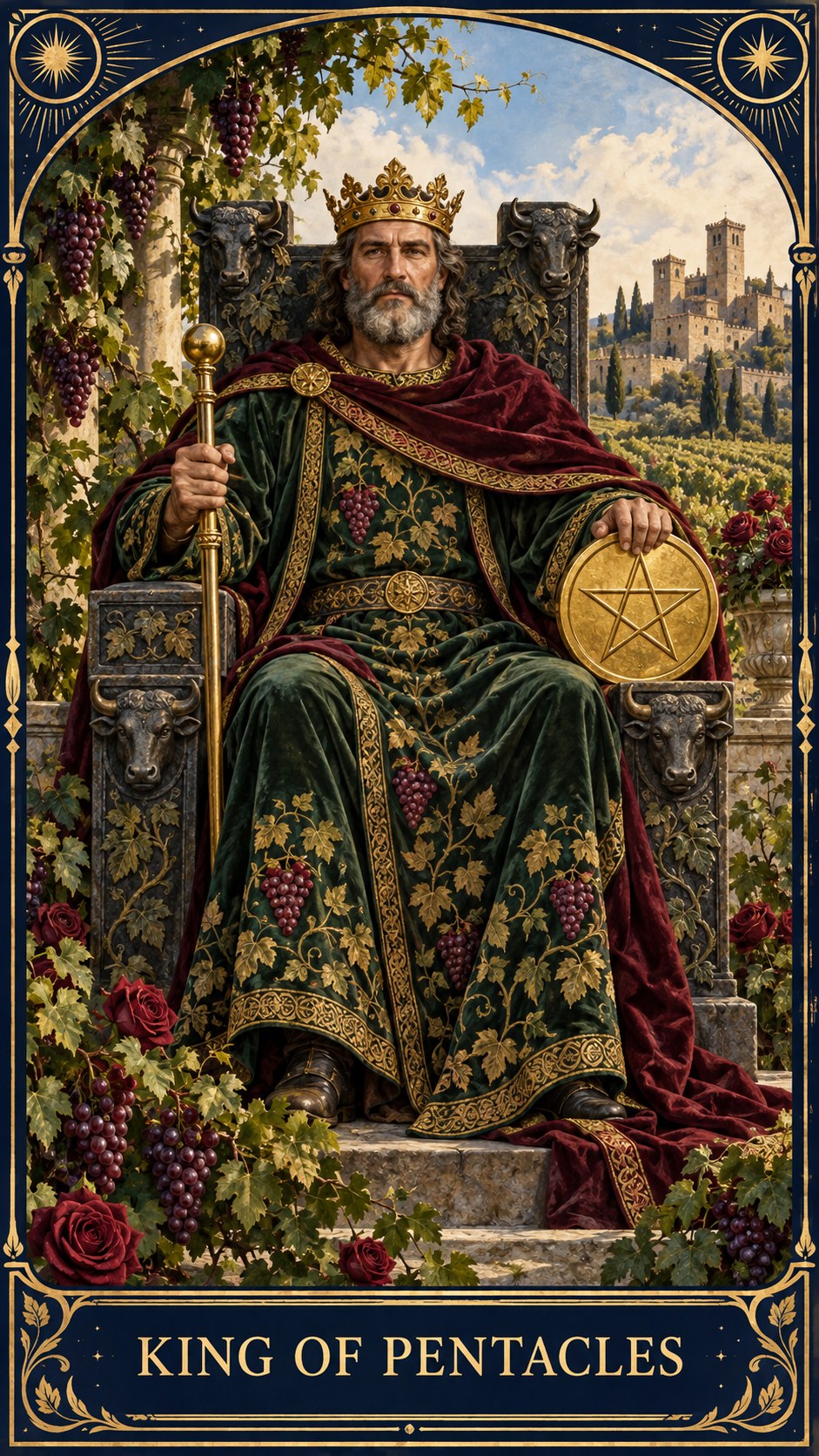
Pentacles
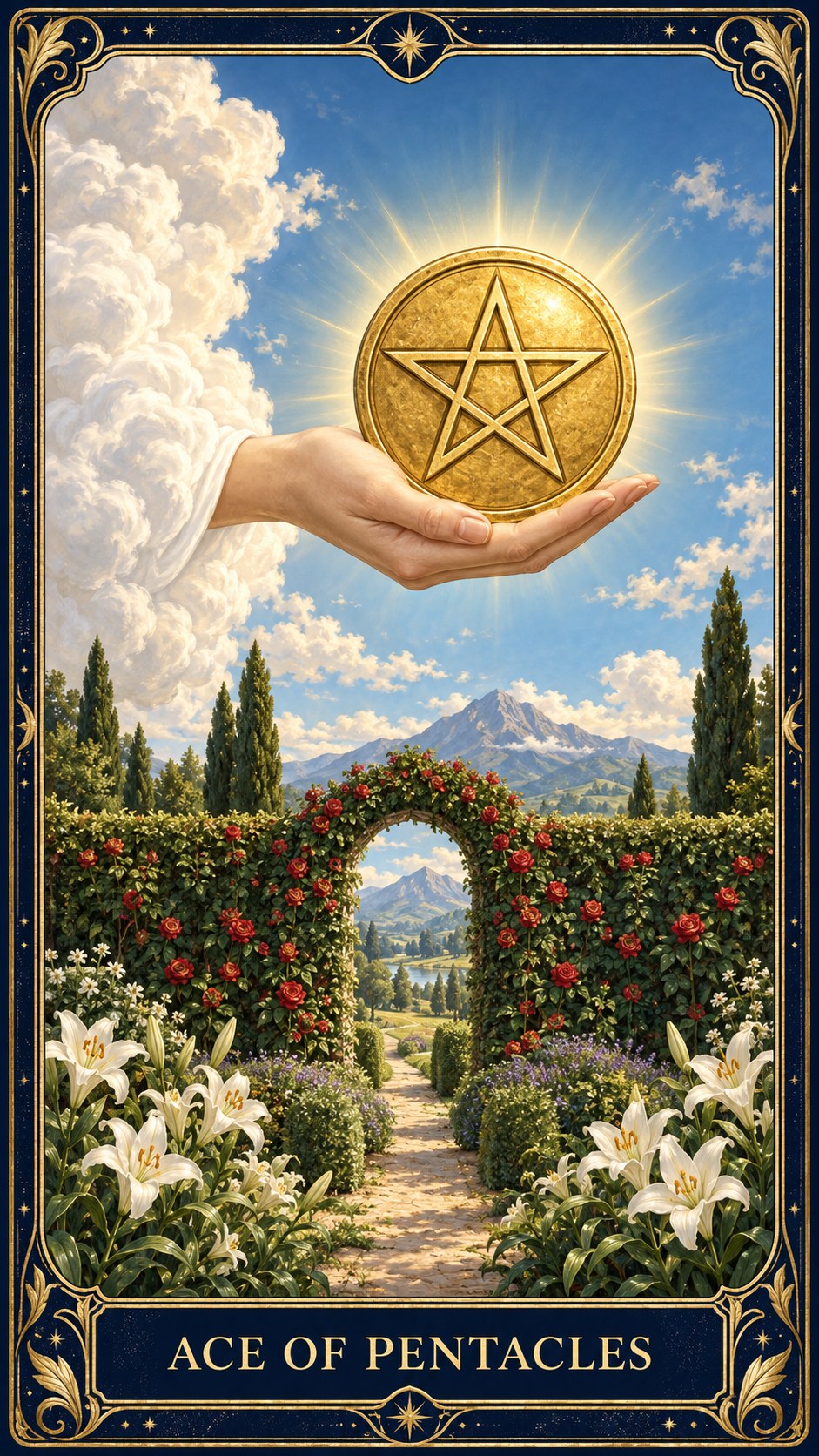
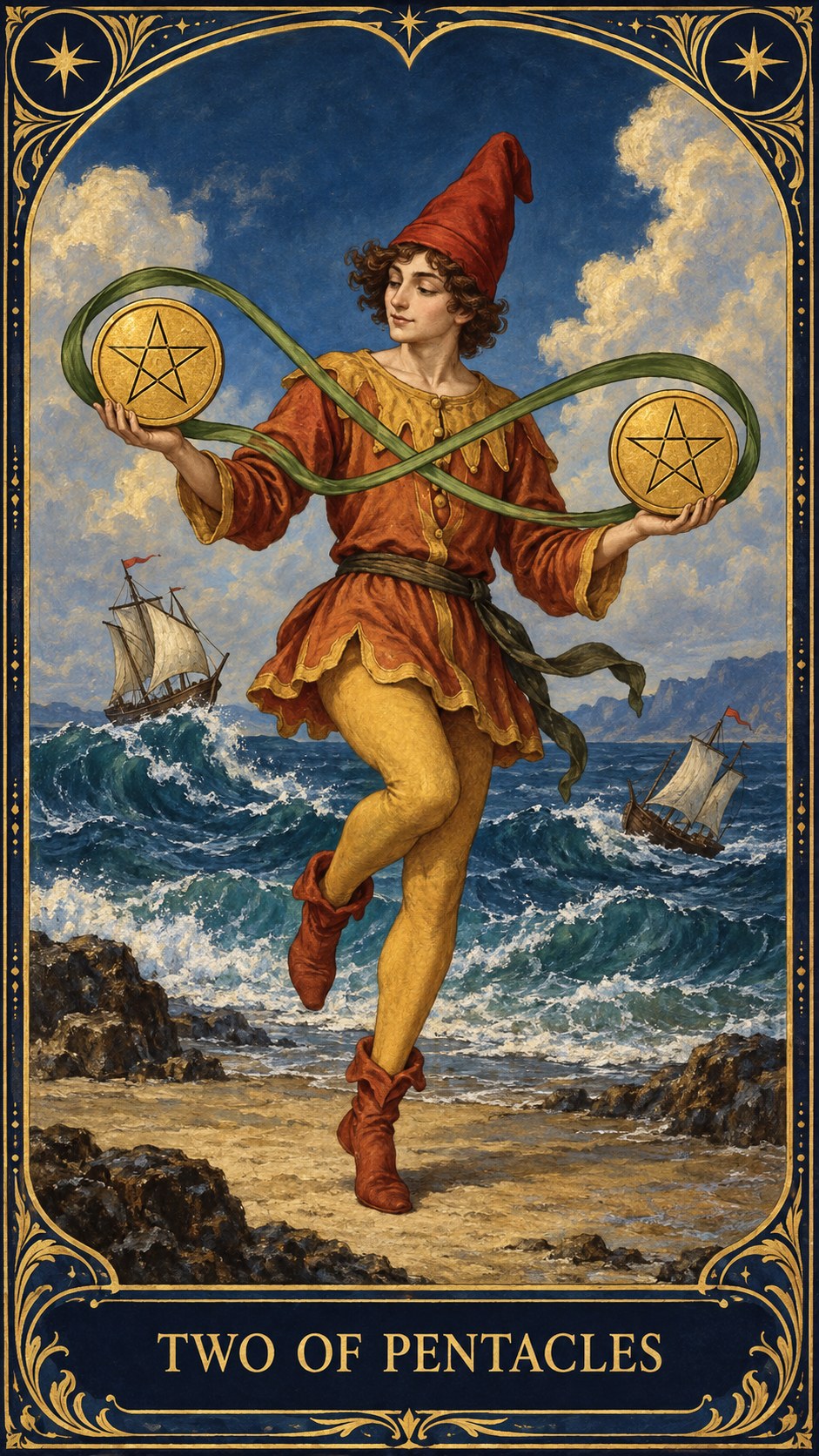
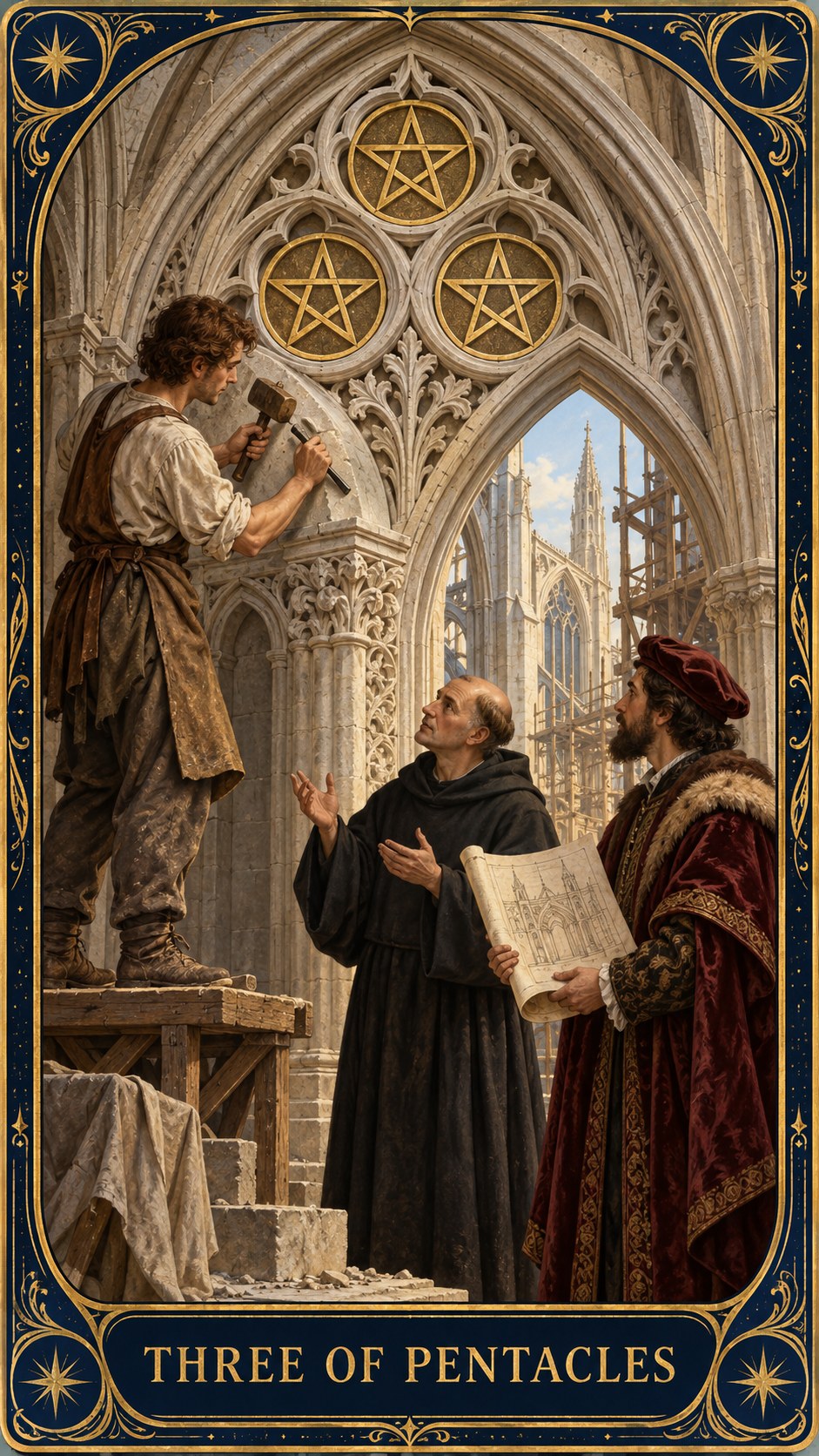
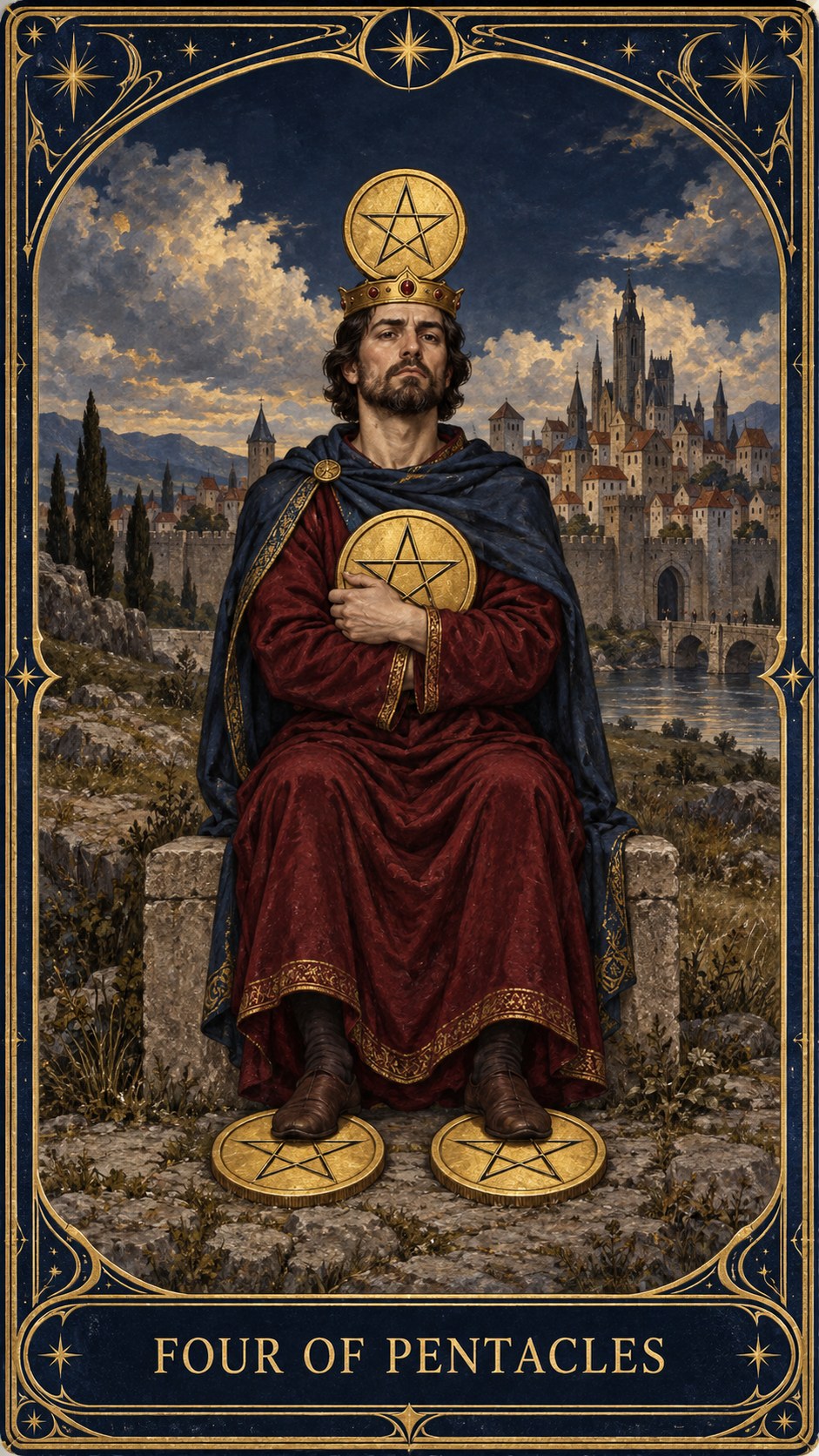
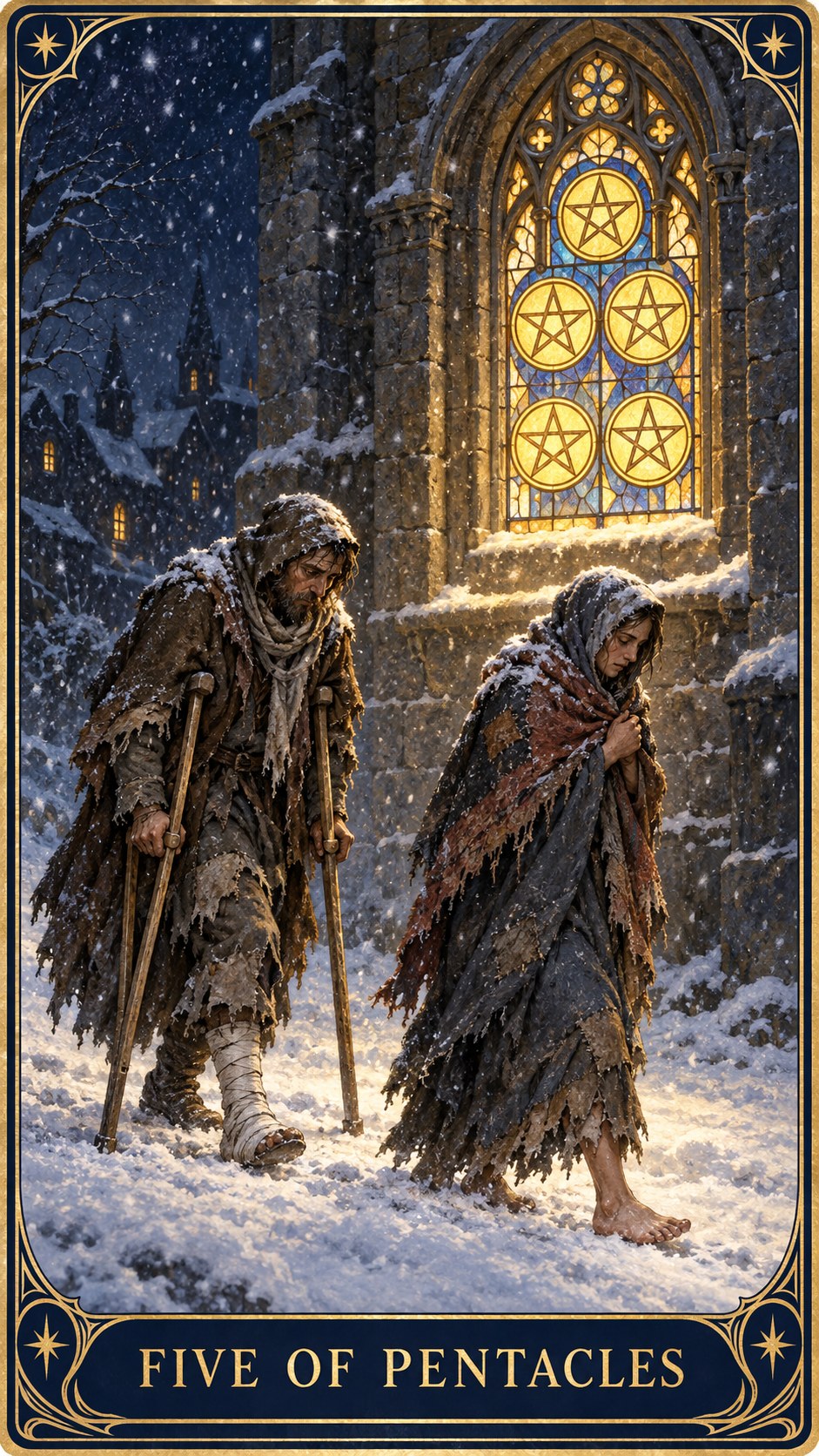
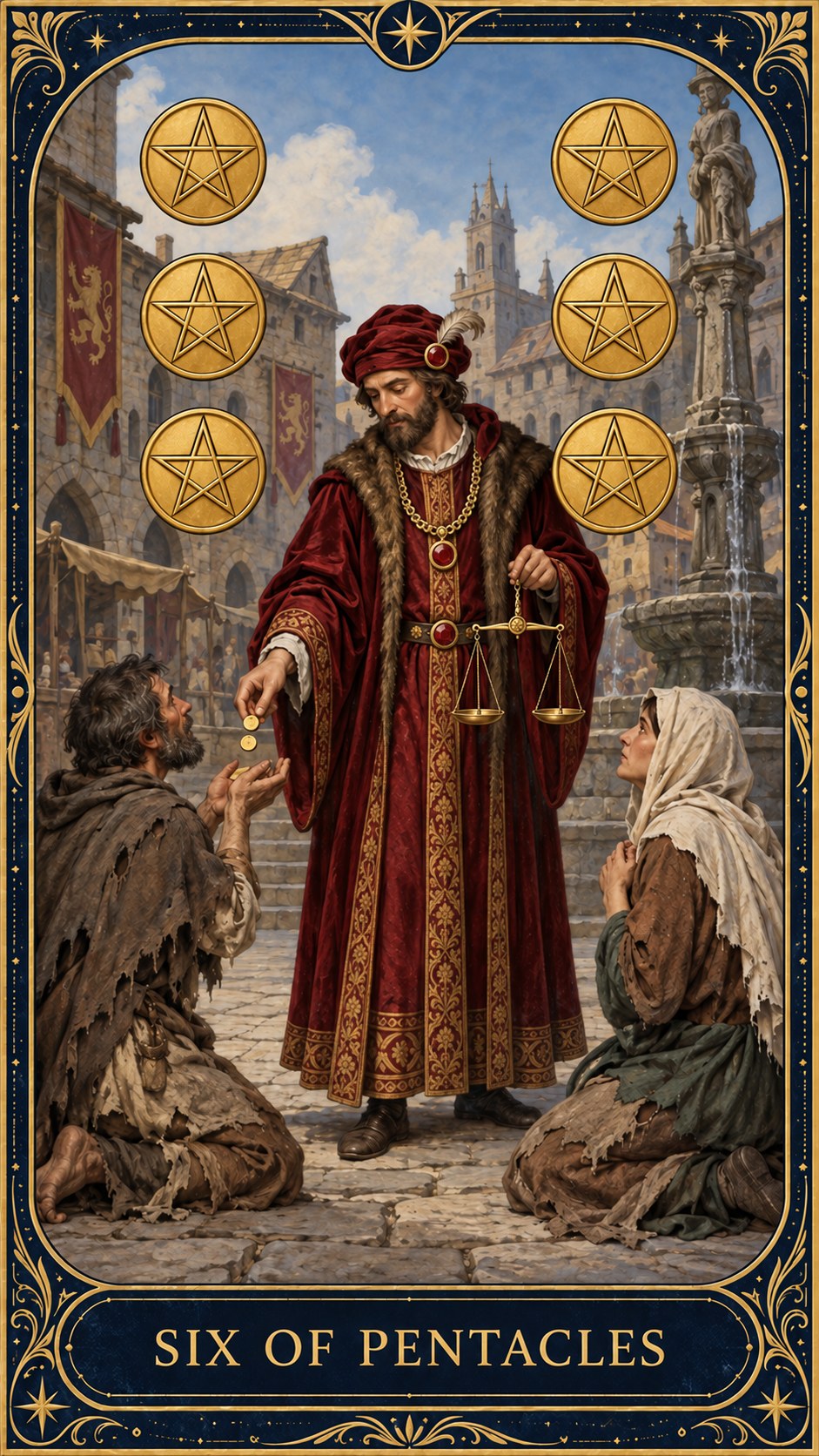
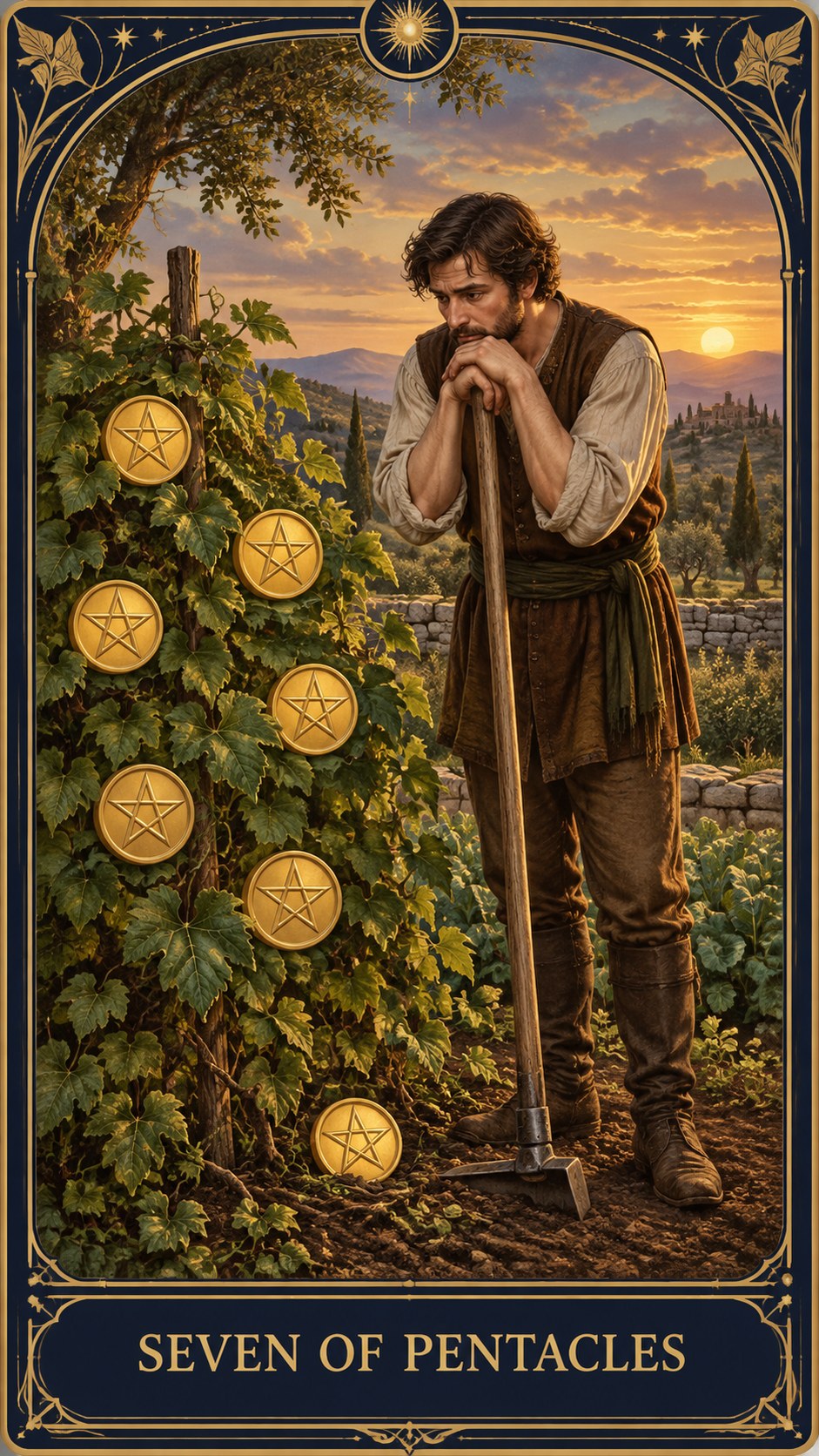
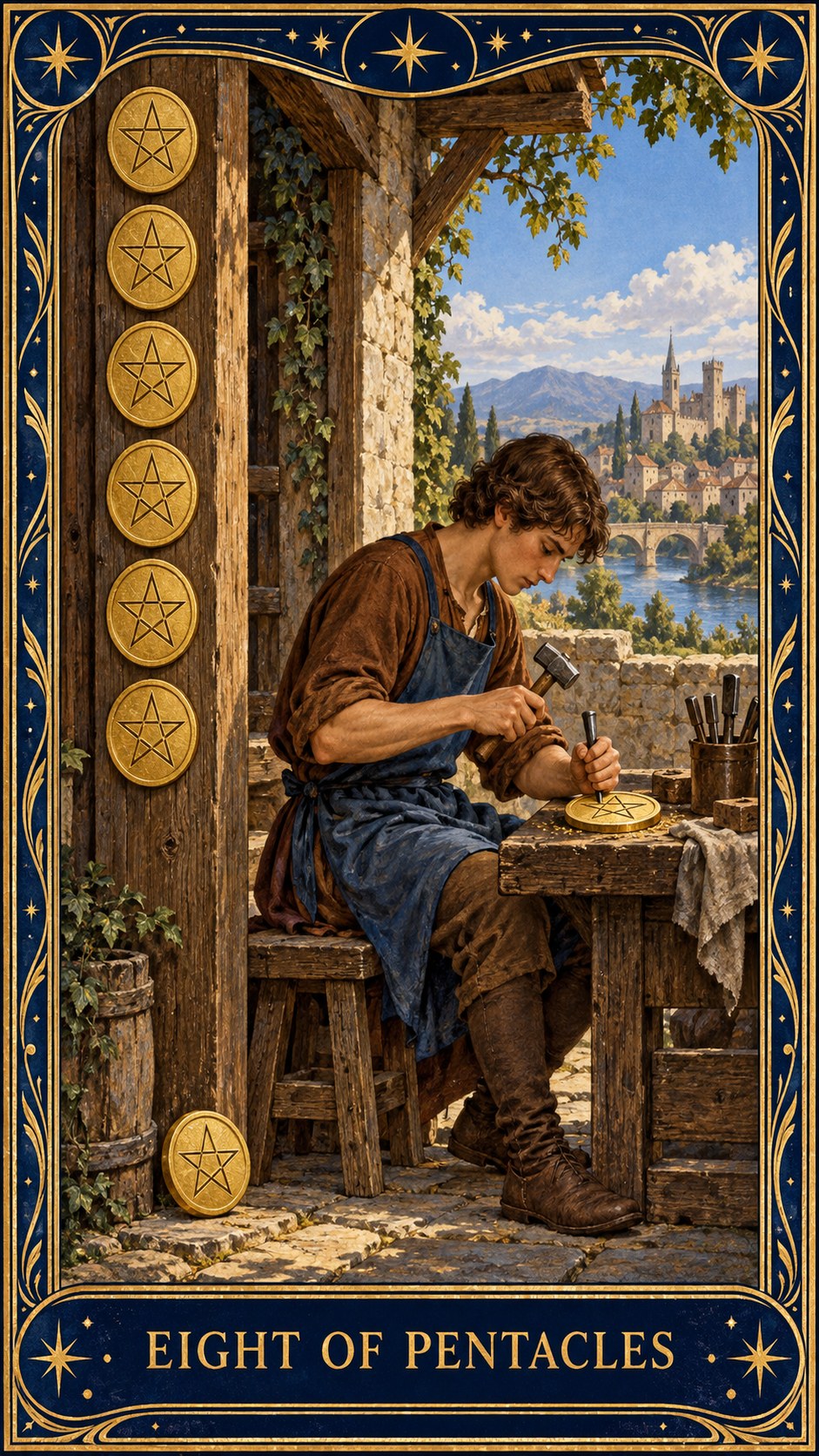
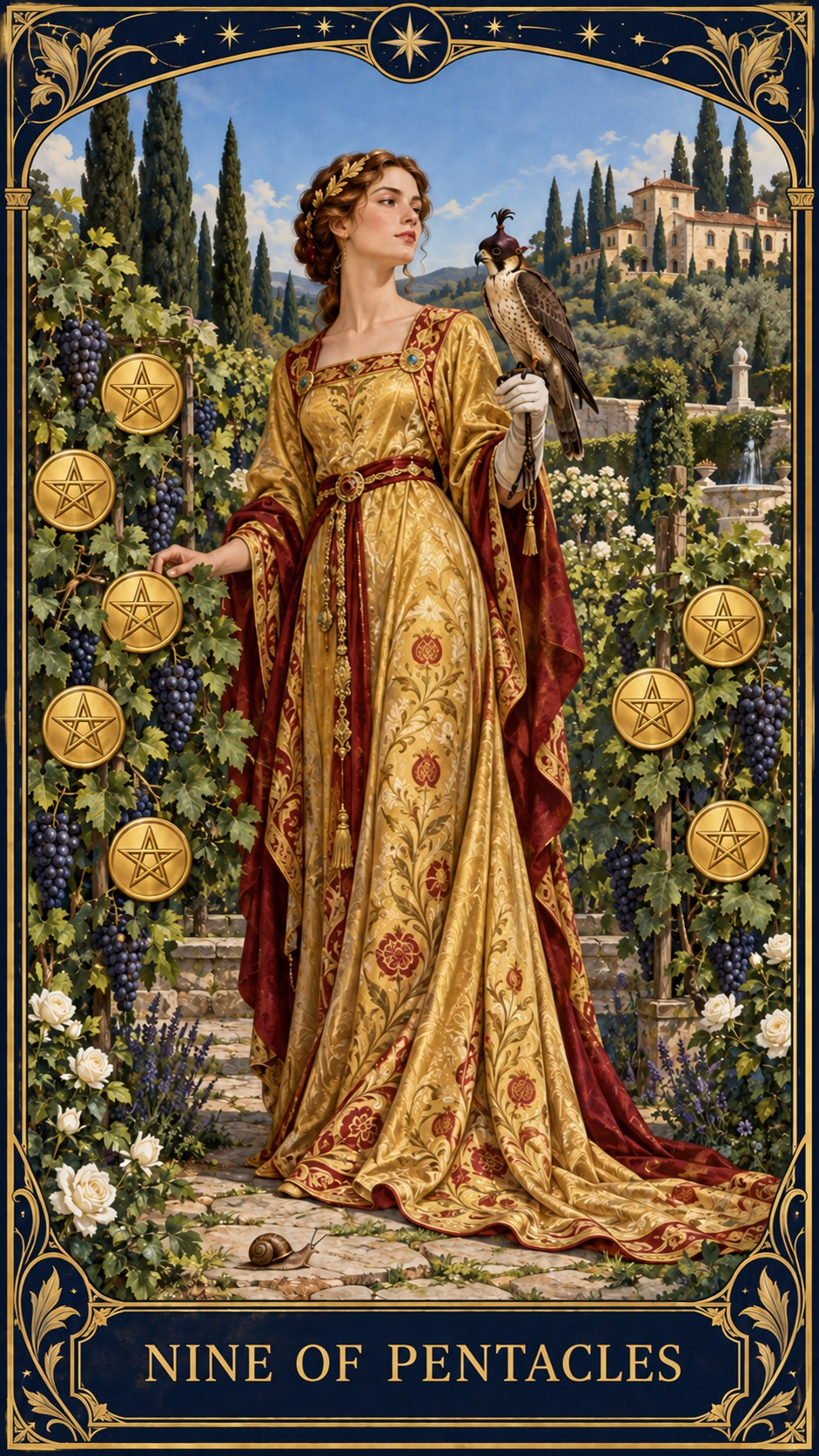
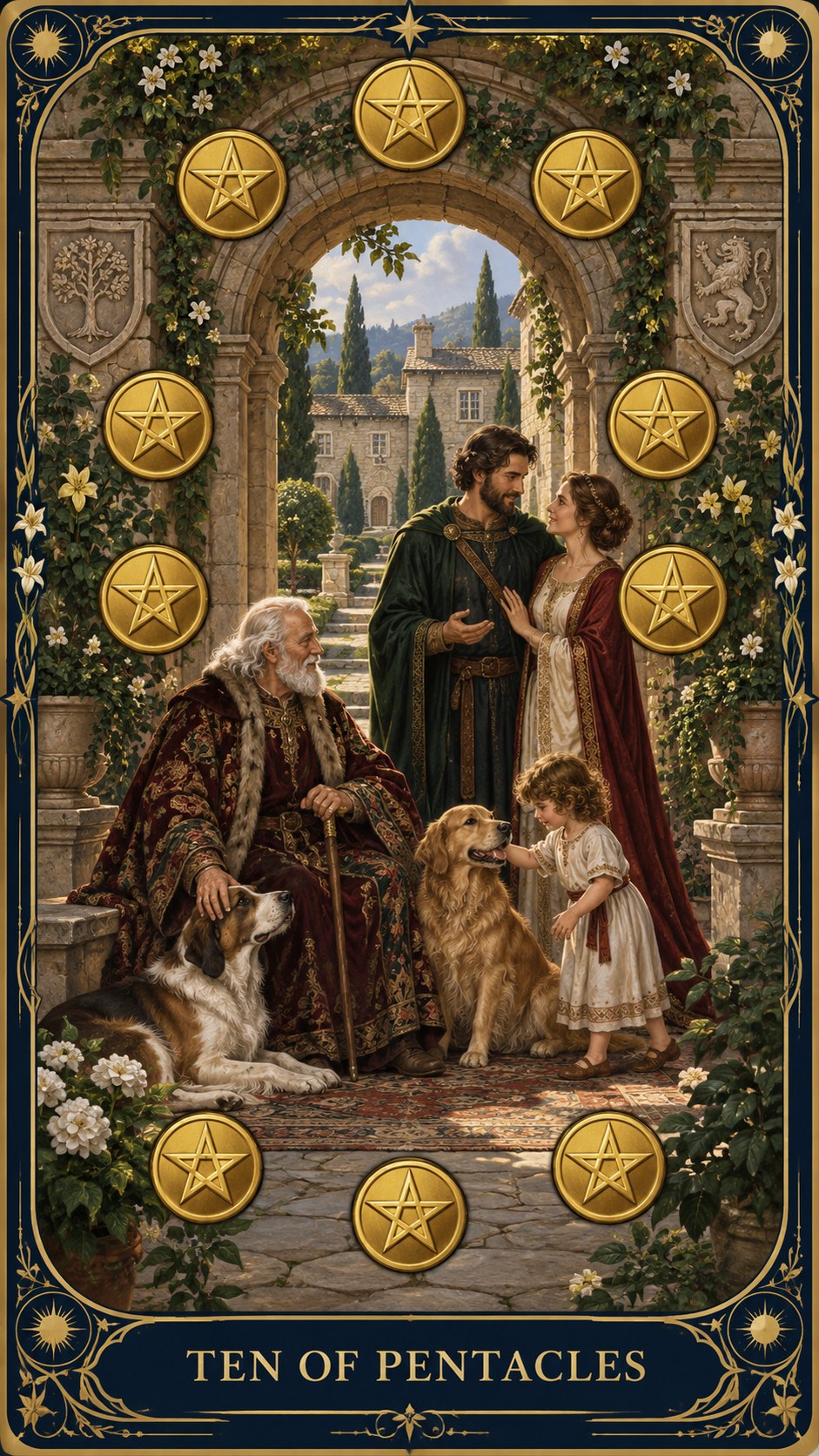
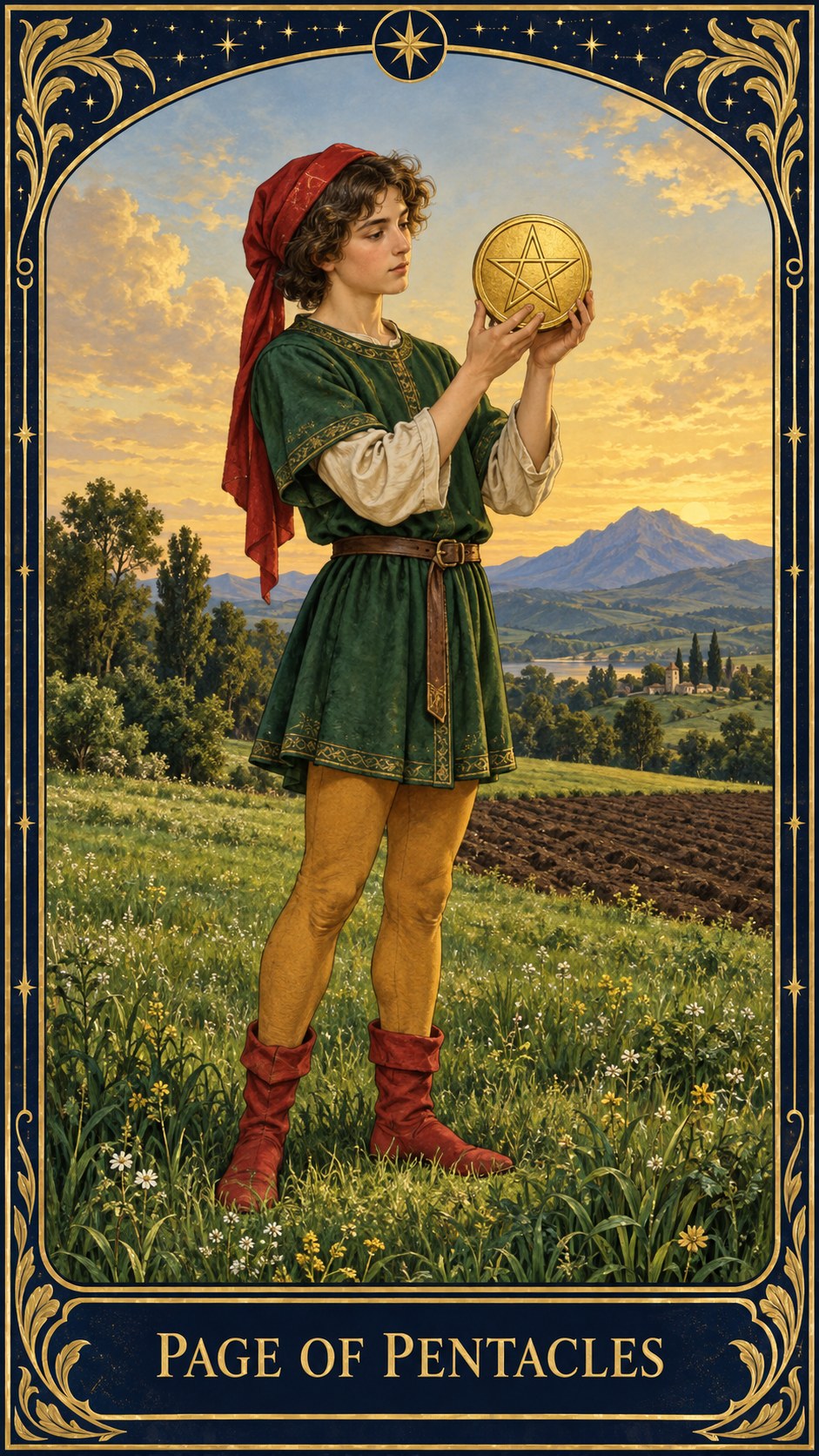
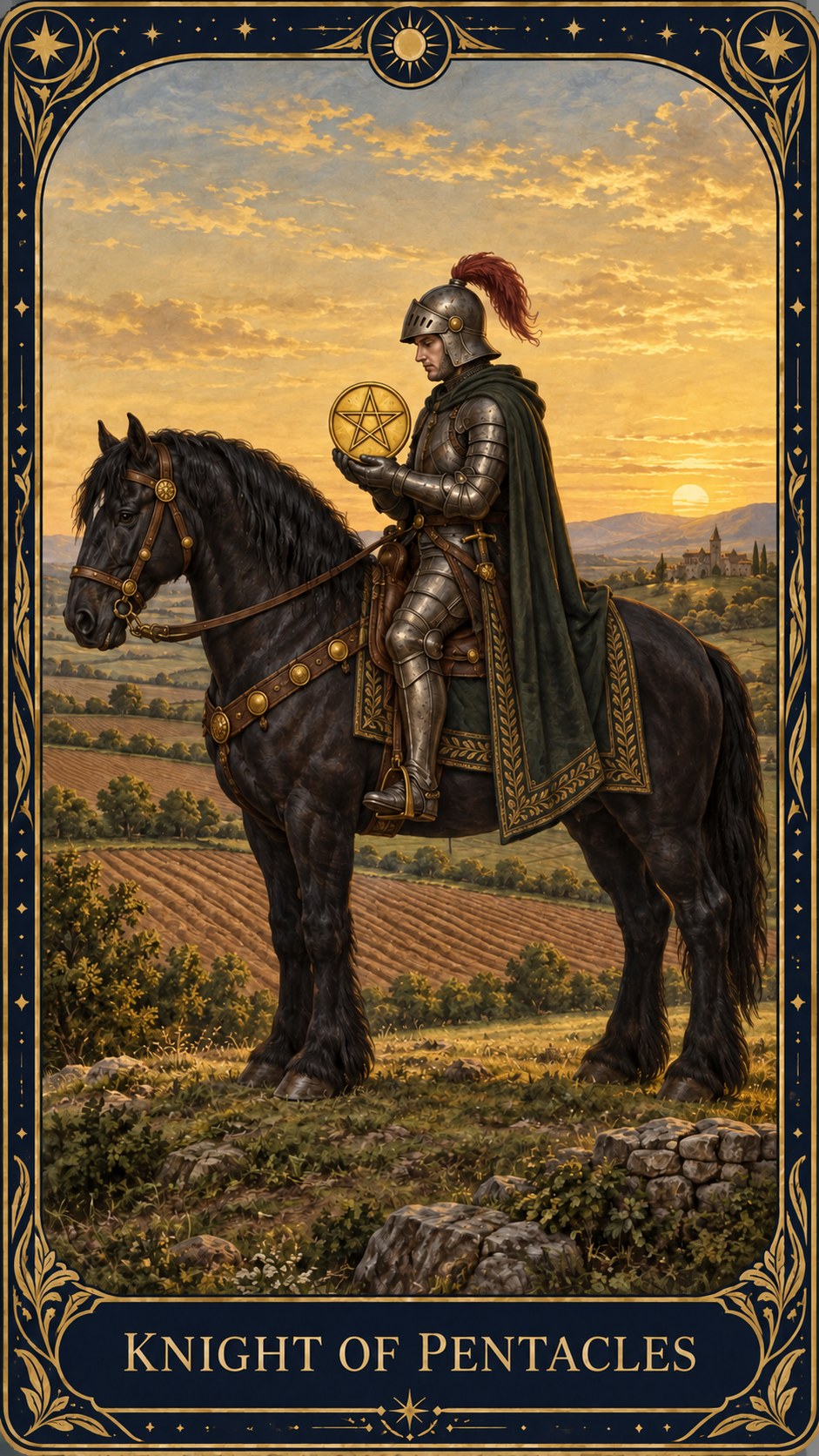
Frequently asked
How many tarot cards are there?
78 in total: 22 Major Arcana and 56 Minor Arcana (14 cards each across four suits — Wands, Cups, Swords, Pentacles). For historical decks with different counts, see how many cards are in a tarot deck.
What's the difference between Major and Minor Arcana?
Major Arcana are big, archetypal life themes (The Tower, Death, The Sun). Minor Arcana cover everyday situations, moods, and practical matters — closer to a regular deck of playing cards in structure.
What do the four Minor Arcana suits represent?
Wands relate to action, ambition, and creative energy. Cups relate to emotion and relationships. Swords relate to thought, conflict, and communication. Pentacles relate to money, work, and the physical body.
What are the court cards, and how do they differ from numbered cards?
Each suit has four court cards — Page, Knight, Queen, King — sitting above the numbered Ace-through-10 cards. They often represent people, personality types, or a more developed stage of the suit's theme rather than a single event.
Do I need to read the cards in a fixed order, like Fool to World?
No — that numbered order (0 through 21 for the Major Arcana) reflects the deck's traditional structure, not a sequence you follow during a reading. Cards come up in whatever order a spread draws them.
What does it mean when several Major Arcana cards appear in one spread?
It can suggest the situation carries more weight or a bigger life theme than day-to-day detail — many readers read a Major-Arcana-heavy spread as pointing to something more significant than a spread dominated by Minor Arcana.
Is one suit "worse" than the others to draw?
No — every suit covers ordinary, necessary parts of life, including Swords (often mistaken as automatically negative because it relates to conflict and hard truths, not misfortune specifically).
Can I look up a card by its keyword instead of its exact name?
Each card page lists its core keywords alongside the full meaning, so scanning the suit groups below for a familiar theme works even if you don't remember a card's exact title.
Are the upright and reversed meanings on this site opposites of each other?
Not exactly — reversed is treated consistently across all 78 cards as blocked, delayed, or internalized energy rather than a simple opposite. See reversed tarot cards explained for the full approach.
Where should I start if I've never looked at a full tarot deck before?
The Major Arcana are the more recognizable starting point — try The Fool through a handful of well-known cards like The Tower or The Star, then move into a suit like Cups once the bigger archetypes feel familiar.
Which tarot deck do these card meanings follow?
The main meanings on this page follow the Rider–Waite–Smith deck. Marseille and Thoth interpretations are kept distinct and labeled where available.