Grand Etteilla Tarot · 1857 source · three cards
Grand Etteilla Tarot: Three Cards, Six Sentence Readings (1857)
The first three cards in the 1857 book stand for the Inquirer, Clarification, and Intention or Proposal. The author shows how changing their order changes the sentence. This is a historical sequence-reading example, not a past, present, and future spread.
Modern interactive adaptation · draw three Grand Etteilla cards
Ask a question, draw three different cards from the full 78-card Grand Etteilla deck, and receive one connected interpretation. Each card is randomly shown in one of its two historical printed reading orientations.
Your three cards
Click “Draw three cards” to reveal them here with their historical printed meanings.
The full personalized reading is available only after registration. Without registration, read the card meanings below as prompts for reflection.
Historical meanings of the drawn cards
These are the historical printed meanings for the cards drawn from the 1857 edition. Drawing three cards at random from the full deck and combining them into a personal reading is a modern TarotCards24 adaptation.
Explore the six arrangements
These are the book’s first three cards, shown in their numbered order. Choose an arrangement to see how the same three concepts form a different statement.
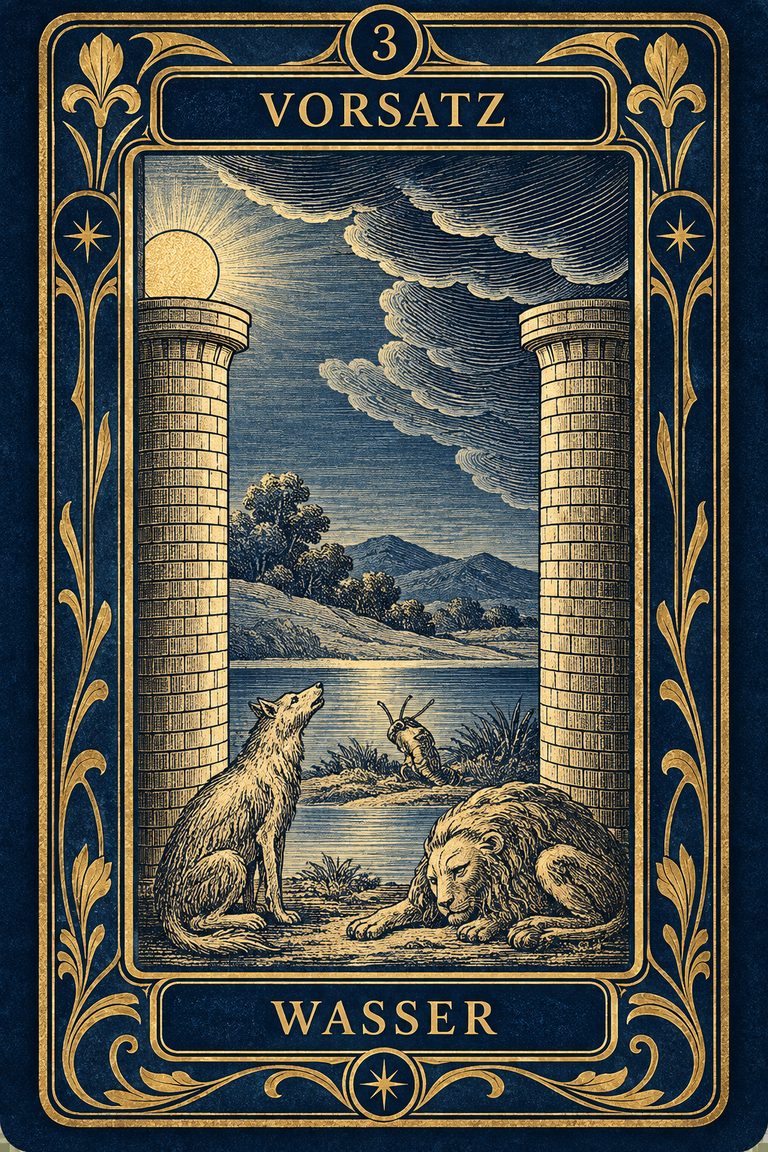 3
3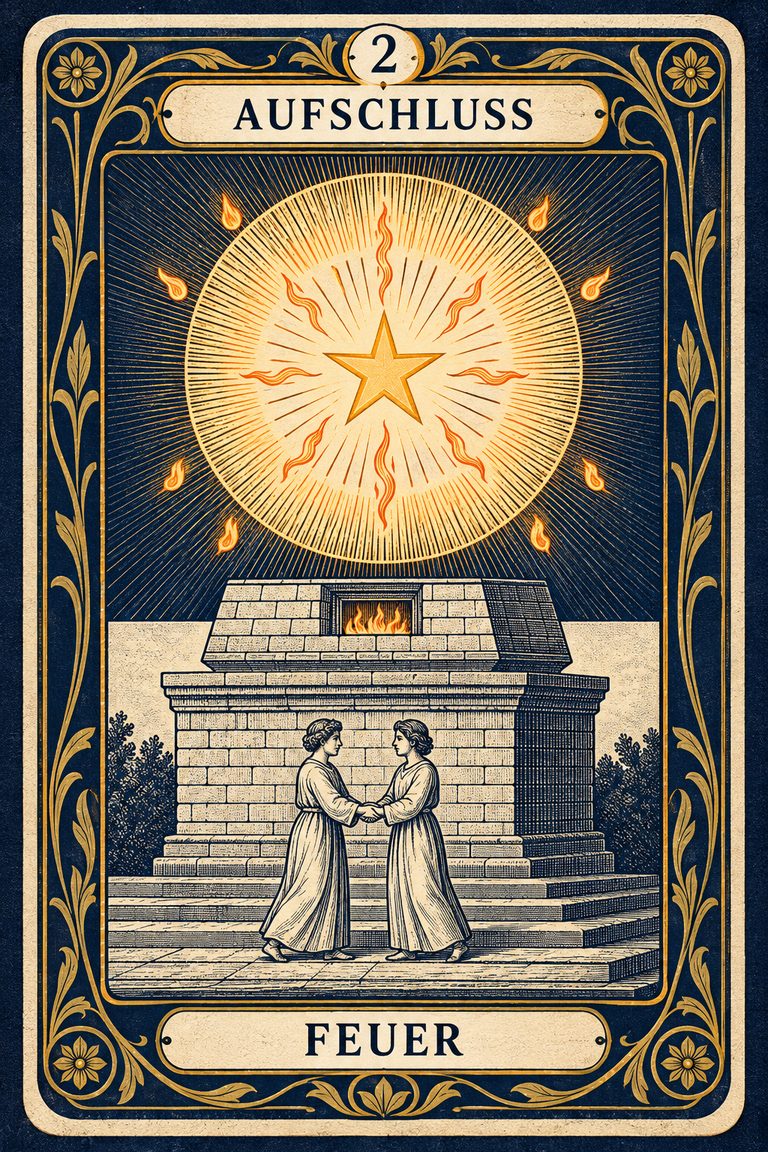 2
2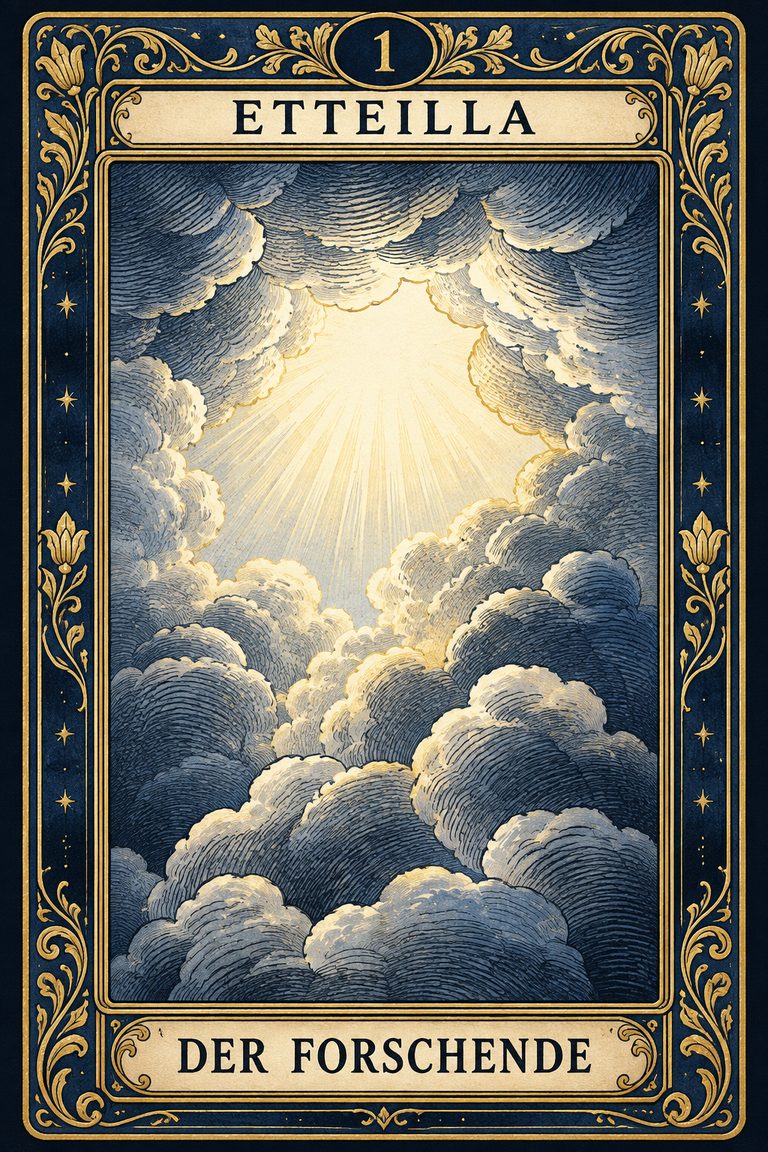 1
1The Inquirer gives clarification about an undertaking, a proposal, or an intention.
What the six readings show
The cards are not assigned fixed time positions. Their order changes the relationship among the Inquirer, clarification, and an intention or proposal:
In one reading, the Inquirer seeks clarification; in another, someone else provides it.
Clarification can explain a proposal, open an opportunity, or lead to a new proposal.
The same three concepts form different statements depending on their sequence.
This page demonstrates the historical example with its three specified opening cards. The source does not say to apply these six sentences to any three randomly drawn cards.
Questions about this historical three-card example
What does this historical three-card example show?
It shows six readings created by arranging the first three cards in the 1857 book in different orders.
Can I use any three cards?
The source uses its first three cards specifically. It does not confirm that these six sentences apply to arbitrary cards.
Do the cards mean past, present, and future?
No. The sequence is read as a sentence, without fixed time positions.
Is this method verified in the French 1783 edition?
Not yet. The six arrangements have been checked in the German 1857 edition.
Primary source
Theoretischer und praktischer Unterricht über das Buch Thot, Stuttgart, 1857, printed pages 73–74 (digital scan pages 79–80). Original German card labels are preserved as edition data; the sentences are concise editorial translations.
The historical method has been checked against the visible 1857 scans. A direct correspondence with the French 1783 edition has not been established.